What to Do Immediately When a Pipe Bursts in Your Home
A burst pipe is one of the most stressful plumbing emergencies a homeowner can experience. In just minutes, water can spread through floors, walls, and furniture, turning a manageable repair into a costly home damage situation. What makes burst pipes especially dangerous isn’t just the volume of water, but how quickly it travels into hidden areas of the home. If you’re facing this situation now, or want to be prepared, understanding what to do first can make a major difference.
Why Burst Pipes Cause So Much Damage So Quickly
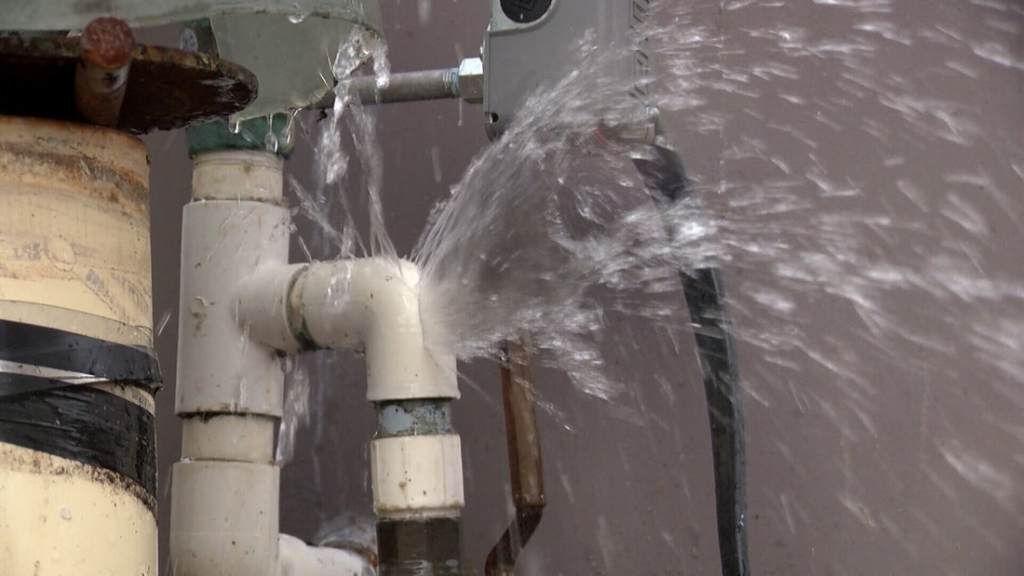
When a pipe bursts, water is released under pressure. Unlike a slow drip, this type of failure allows water to move rapidly through your home. It flows beneath flooring, soaks drywall and insulation, and travels through wall cavities before pooling in places you may not notice right away. Damage often continues even after the water supply is shut off because moisture becomes trapped in structural materials. As many professionals explain, the visible flooding is usually only a small part of the real damage.
Step 1: Shut Off the Water Immediately
Stopping the water source as fast as possible is the most important action you can take. Turning off the main water shut-off valve limits how much water enters the home and reduces how far it spreads. If the leak appears isolated and you know where the fixture valve is located, shutting that off can help as well. In most homes, the main shut-off valve is found in one of the following places:
- Outside near the foundation
- Inside a garage or utility room
- Near the water heater
Step 2: Consider Electrical Safety
Water and electricity are a dangerous combination. If water is near outlets, appliances, or electrical panels, avoid walking through standing water. If it’s safe to do so, turning off power to affected areas can reduce risk. If you’re uncertain, waiting for a professional is always the safest choice.
Step 3: Limit the Spread Without Delaying Help
Once the water is off and the area is safe, small steps can help limit damage while you wait for professional assistance. These actions should never replace calling for help, but they can reduce how far the water spreads:
- Move furniture and personal items out of affected areas
- Use towels to slow water movement
- Avoid unnecessary foot traffic on wet flooring
Spending too much time cleaning instead of addressing the source is a common mistake that allows damage to worsen.
Common Causes of Burst Pipes
Burst pipes can happen even in well-maintained homes. Aging materials, corrosion, excessive water pressure, and weakened supply lines are frequent contributors. In many cases, pipes fail internally, which means homeowners may not notice warning signs before a burst occurs.
Why Waiting Makes the Damage Worse
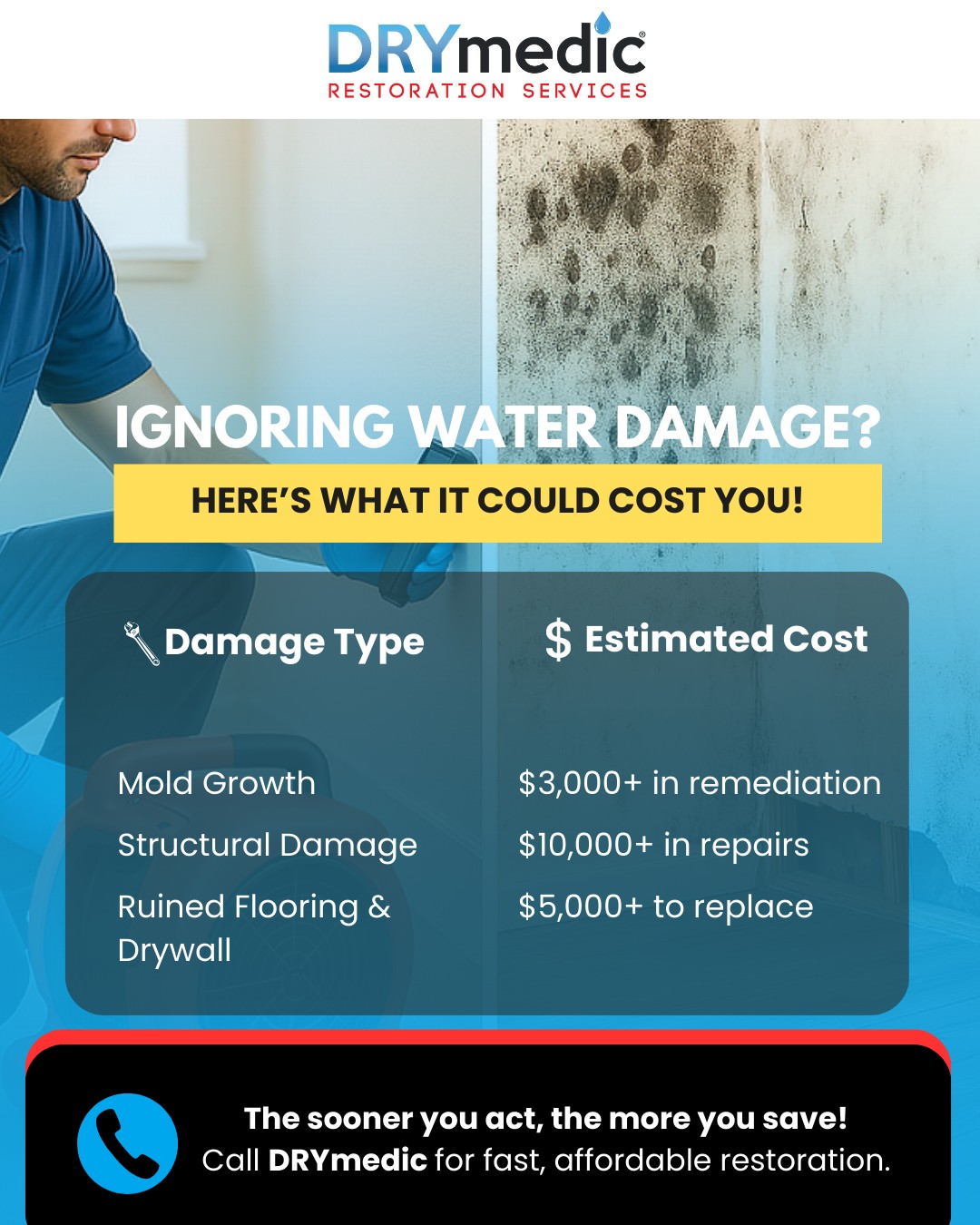
Waiting to see if things dry out naturally often leads to more extensive repairs. Drywall absorbs moisture quickly, wood framing can warp, and flooring may buckle or stain. Within 24 to 48 hours, what began as a plumbing issue can escalate into widespread water damage. Moist conditions also increase the likelihood of mold becoming a concern.
Signs the Damage Goes Beyond the Pipe
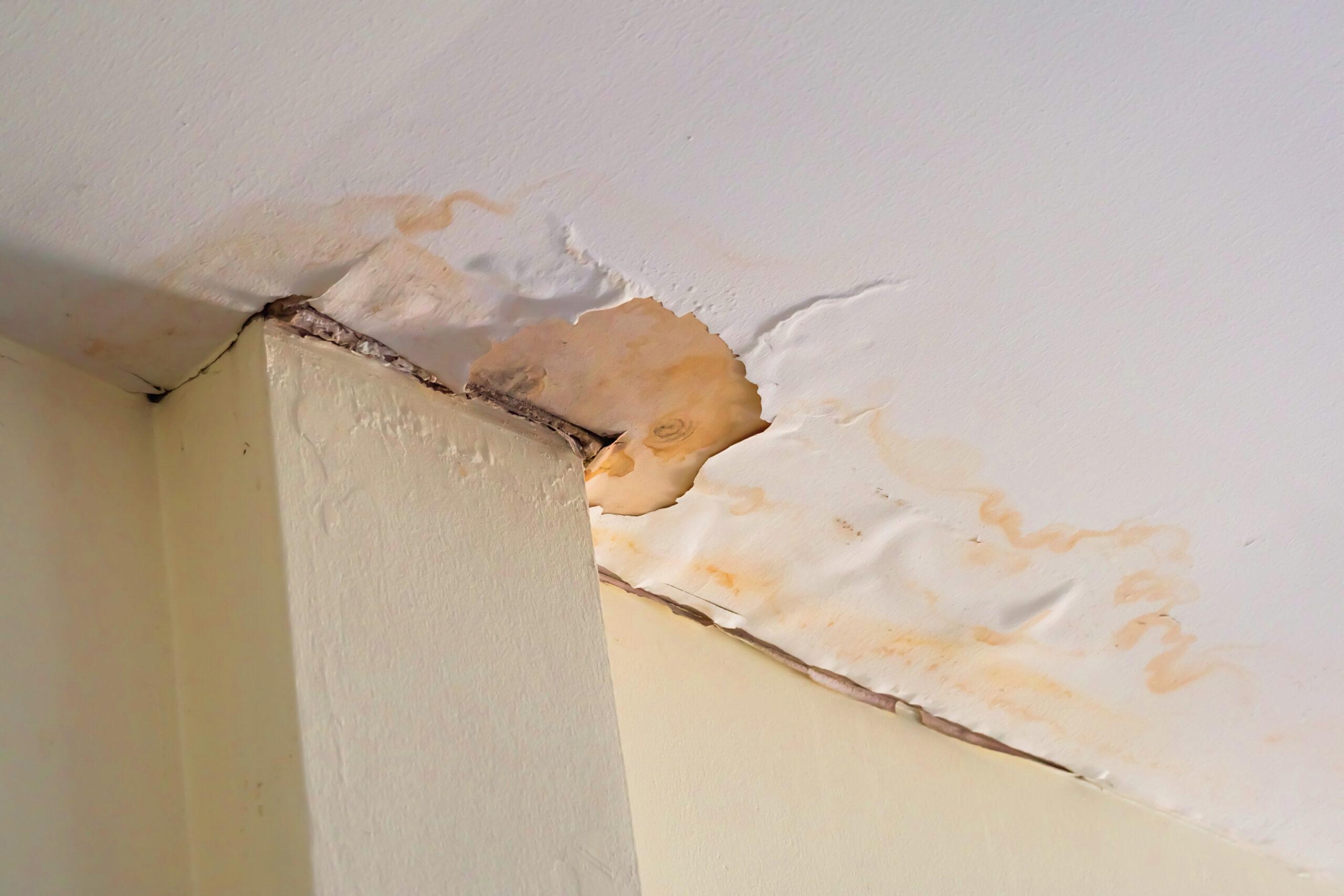
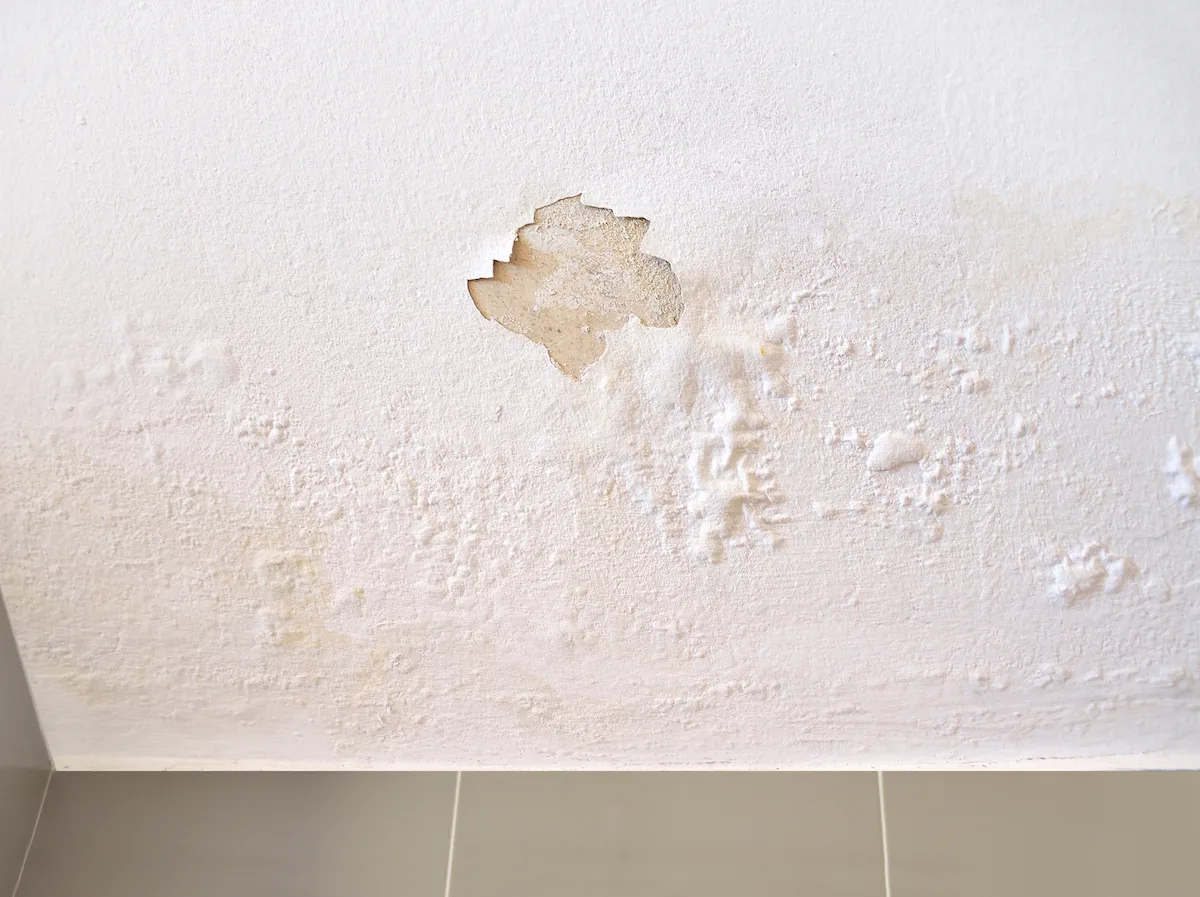
Even after a pipe is repaired, damage may already exist beyond what’s visible. Homeowners should watch for warning signs such as:
- Spreading water stains on walls or ceilings
- Musty or damp odors
- Soft or swollen drywall
- Warped baseboards or flooring
- Peeling or bubbling paint
These indicators often suggest moisture has traveled beyond the original leak location.
 |
 |
 |
When to Call a Plumber
A plumber should be contacted as soon as the water supply is shut off. Immediate professional help is especially important if the pipe is actively leaking, the source of the leak is unclear, water has spread into multiple rooms, or the leak occurred inside a wall or ceiling. A licensed plumber can identify the failure point, make proper repairs, and check for additional vulnerabilities in the plumbing system.
What Homeowners Often Get Wrong After a Burst Pipe
Many homeowners assume that once the pipe is fixed, the problem is solved. Others rely on fans or basic drying methods and believe damage is limited to what they can see. In reality, moisture often reaches hidden areas long before visible signs appear, which is why professional evaluation is so important after a burst pipe incident.
What If Water Damage Has Already Occurred?
If water has soaked into walls, floors, or ceilings, proper drying becomes critical. Moisture trapped in building materials can continue damaging the home, create lingering odors, and increase the risk of mold growth. Plumbing repair and water damage cleanup are often separate steps, and addressing both early helps reduce long-term issues.
Insurance Considerations Homeowners Should Know
Many sudden pipe bursts may be covered by homeowners insurance, particularly when the issue is addressed quickly. Acting promptly, documenting damage, and obtaining professional assessments can help protect coverage. Delays or ignored warning signs can complicate claims.
Reducing the Risk of Future Pipe Bursts
While not all pipe failures are preventable, homeowners can reduce risk by taking a few proactive steps:
- Repair small leaks promptly
- Replace aging supply lines
- Monitor water pressure
- Know where the main shut-off valve is located
Preventative attention is far less costly than emergency repairs.
Final Thoughts: Act Fast to Protect Your Home
A burst pipe is more than an inconvenience. It’s a situation where time truly matters. Stopping the water quickly and getting professional help early can significantly reduce damage and repair costs. If a pipe has burst or you suspect one has failed, shutting off the water and contacting a qualified local plumber promptly can make the difference between a straightforward repair and extensive home damage.