Understanding How Broward's Saltwater Intrusion Affects Your Plumbing
Living in Broward County, you may have heard whispers about saltwater intrusion and its impact on our landscape. While it’s often associated with environmental concerns, it has tangible effects on your home’s plumbing system that are worth understanding. Saltwater intrusion occurs when seawater infiltrates freshwater aquifers, a phenomenon exacerbated by rising sea levels and coastal development. As a homeowner, recognizing how this issue can affect your plumbing is crucial for maintaining a healthy home.
The Basics of Saltwater Intrusion
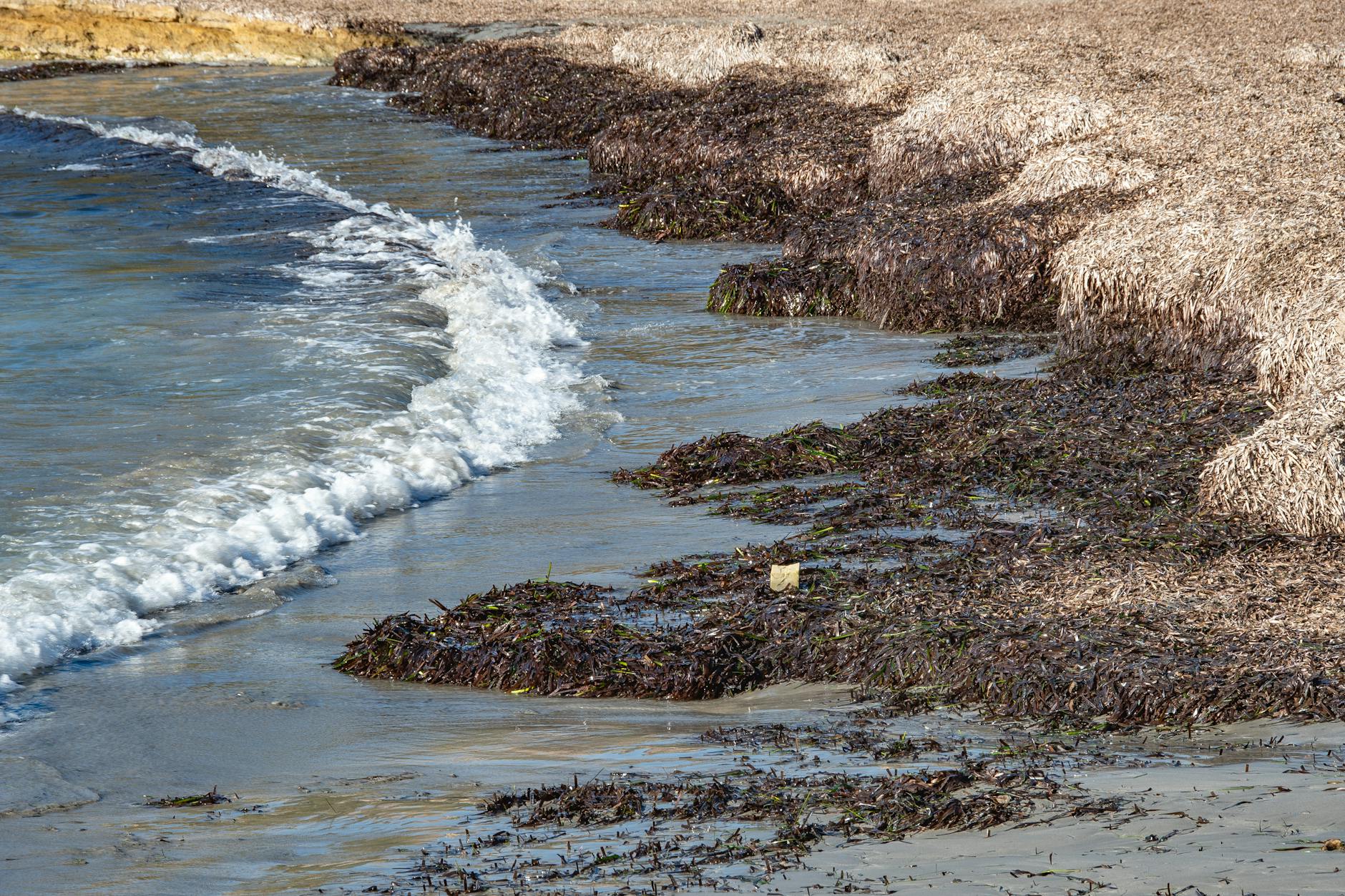
Saltwater intrusion typically happens in coastal areas where the balance between freshwater and saltwater is disrupted. When freshwater resources diminish, the pressure from the ocean can push saltwater into underground aquifers, leading to a range of potential problems. One of the most concerning issues is its effect on the quality of water supply, which can lead to plumbing complications.
How Saltwater Impacts Your Plumbing
Many homeowners might not realize that saltwater can be corrosive to plumbing systems. Over time, the presence of salt can lead to:
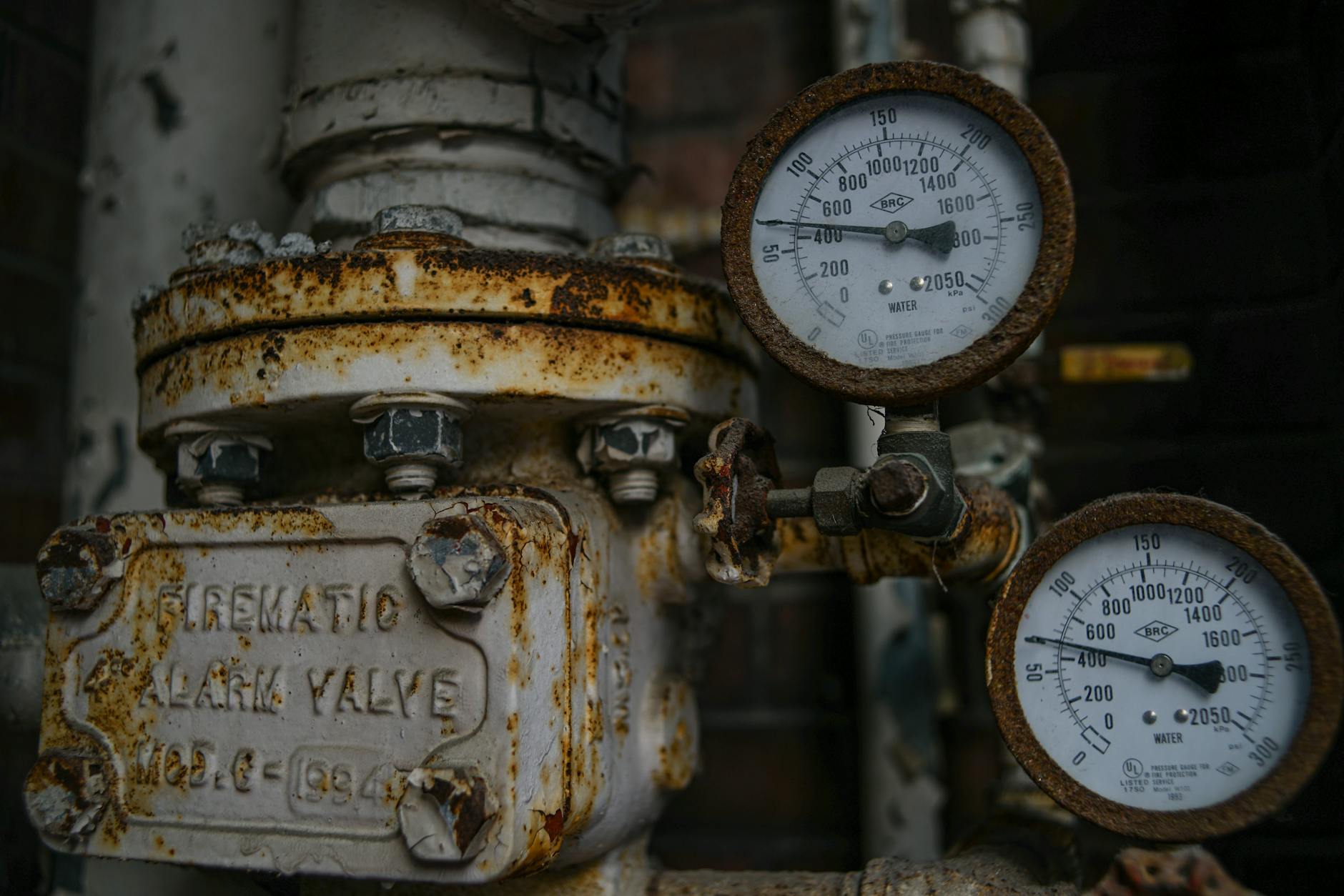
- Corroded Pipes: Saltwater is highly corrosive, especially to metal pipes. This corrosion can weaken your pipes, leading to leaks and potential water damage.
- Reduced Water Quality: Salt intrusion can contaminate your water supply, leading to changes in taste, smell, and even health risks if consumed.
- Increased Repair Costs: Corrosion and leaks are not just inconvenient; they can lead to significant repair costs. If saltwater intrusion isn’t addressed quickly, what starts as a minor leak could escalate into major plumbing problems.
If you notice any signs of plumbing issues, such as unusual water discoloration or a sudden increase in water bills, it might be time to call a plumber to assess the situation.
Preventative Measures
Being proactive can save you from costly repairs down the line. Here are some steps you can take to mitigate the effects of saltwater intrusion on your plumbing:
- Use Corrosion-Resistant Materials: When considering plumbing upgrades, opt for materials that resist corrosion, such as PVC or PEX pipes.
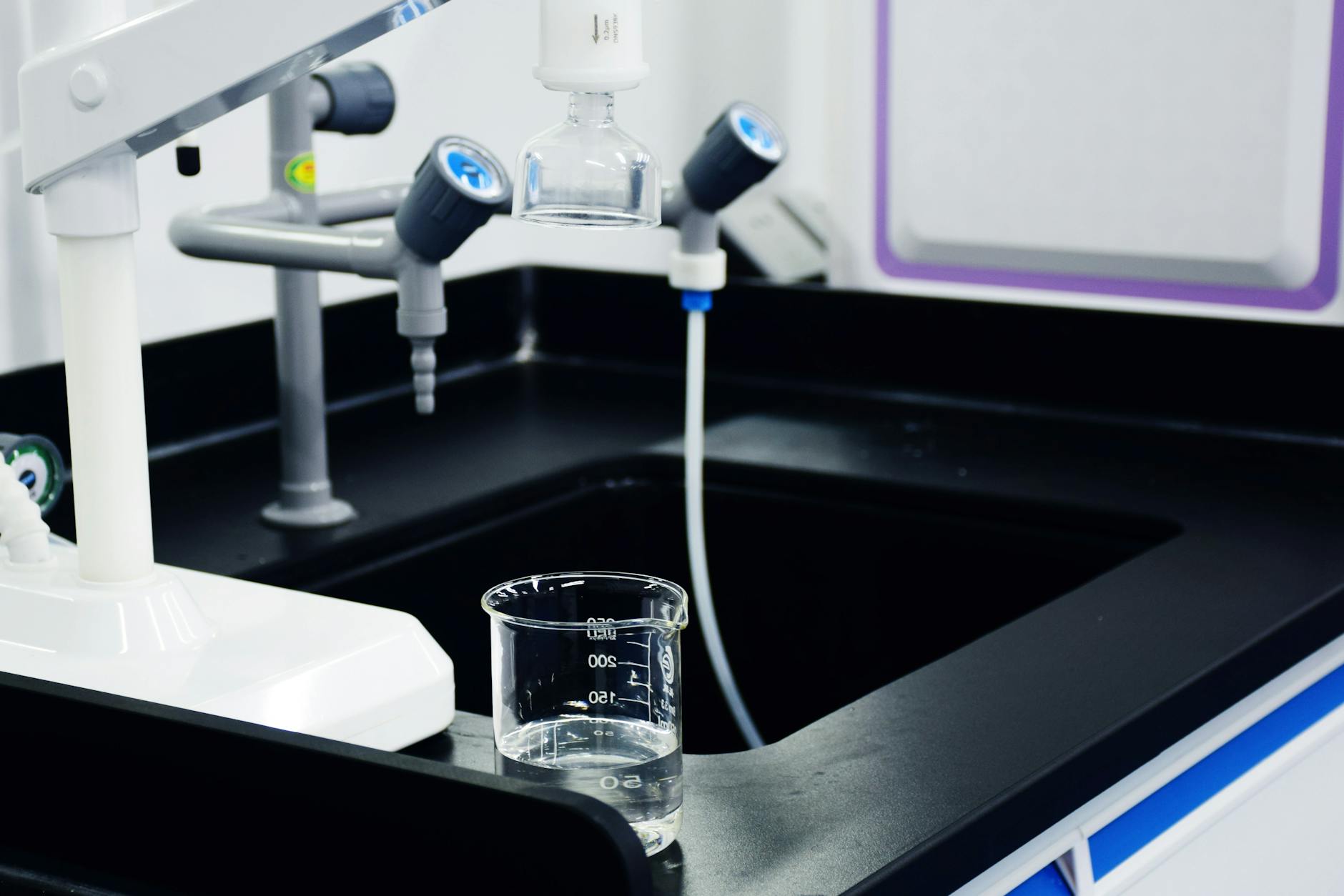
- Monitor Water Quality: Regularly testing your water can help identify changes in quality that may indicate saltwater intrusion.
- Install Backflow Devices: These devices can prevent saltwater from entering your plumbing system from external sources.
In addition to these measures, it’s wise to stay informed about local water management practices and support initiatives aimed at reducing saltwater intrusion. For more about the importance of water management in Broward County, check out this informative article on assessing hidden water damage.
When to Call a Professional
If you suspect that your plumbing is suffering from the effects of saltwater intrusion, it’s important to act quickly. Here are some signs that indicate you may need to contact a professional:
- Visible leaks or water stains on walls or ceilings.
- Increased frequency of plumbing repairs.
- Sudden changes in water pressure or quality.
For urgent plumbing issues, our team at Broward Plumbing Pros is ready to help. You can also explore additional services for water damage restoration at Broward Restoration Pros.
Conclusion
Understanding how saltwater intrusion impacts your plumbing is essential for any homeowner in Broward County. By recognizing the risks and taking preventative steps, you can protect your home and avoid costly repairs. Should you notice any troubling signs, don’t hesitate to reach out for professional help to ensure your plumbing remains in top condition.