Understanding Your Home's Plumbing System: A Beginner's Guide
Your home’s plumbing system is a complex network of pipes, fixtures, and fittings that work together to provide you with fresh water and to remove waste. If you’re new to homeownership or just looking to familiarize yourself with how your plumbing works, understanding the basics can save you time, money, and a lot of frustration.
Imagine waking up one morning to find a puddle of water in your basement. Panic sets in as you wonder what could have caused this disaster. Was it a burst pipe? A leaky toilet? Understanding your plumbing system can help you identify potential issues before they escalate into costly repairs.
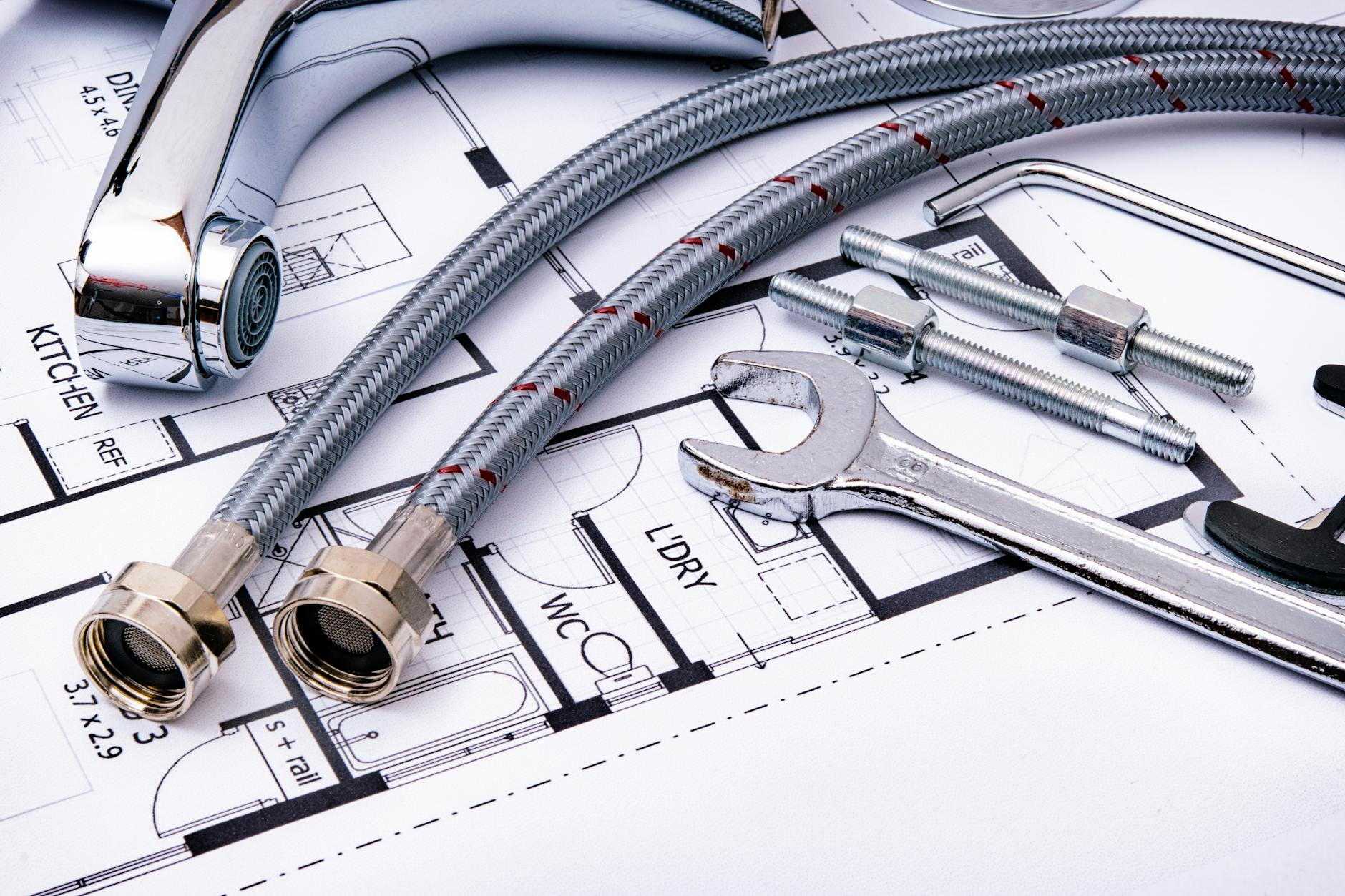
Components of Your Plumbing System
Your plumbing system can generally be divided into two main categories: supply and drainage. The supply system brings fresh water into your home, while the drainage system removes wastewater.
1. Supply System
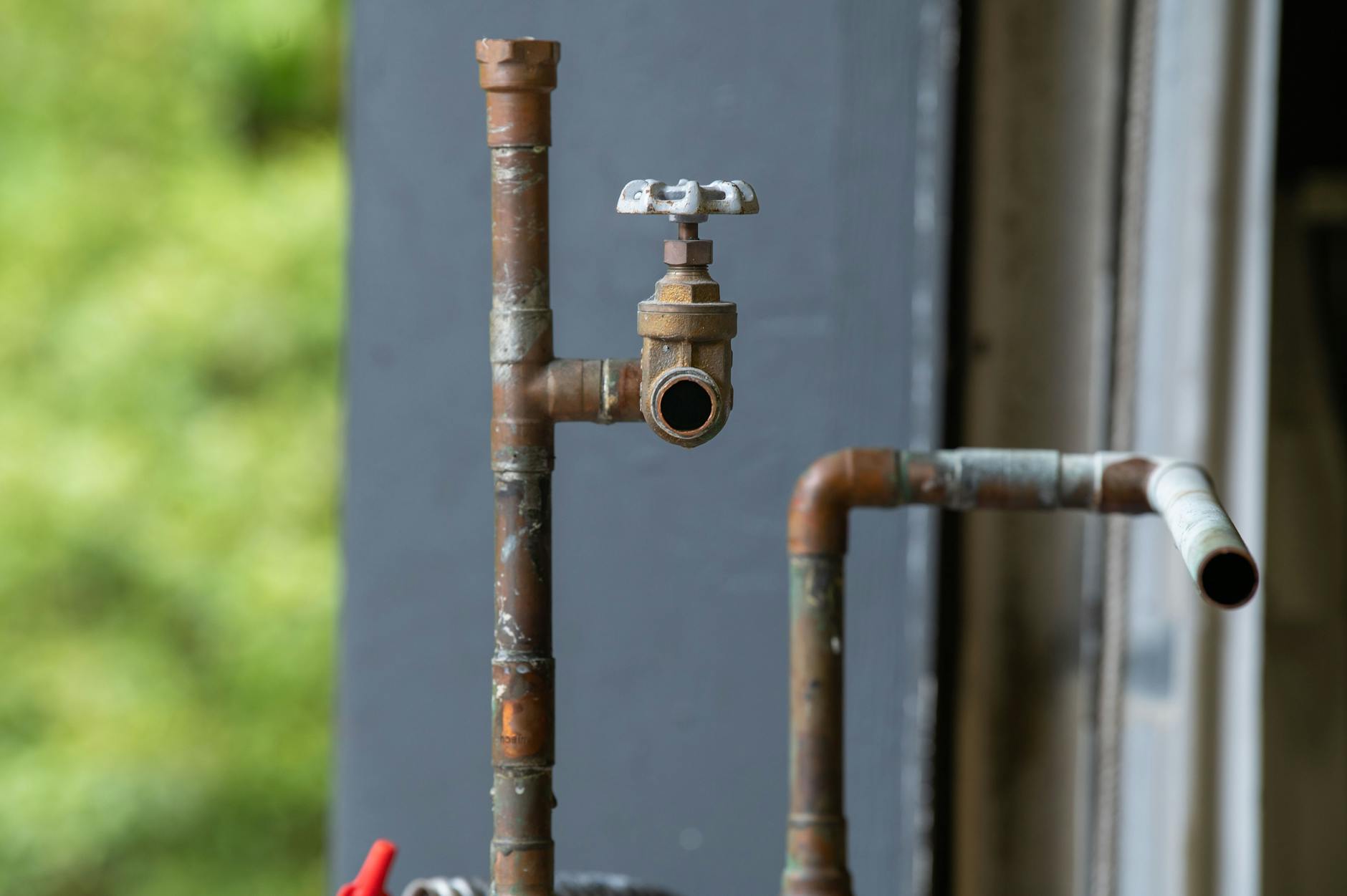
The supply system consists of the pipes that carry water from the municipal water main or a well to your home. This water travels through various types of pipes, including:
- PEX (Cross-linked Polyethylene): Flexible and resistant to scale and chlorine.
- CPVC (Chlorinated Polyvinyl Chloride): A common plastic pipe used for hot and cold water distribution.
- Galvanized Steel: Older homes may still have these, but they can rust over time.
Each of these materials has its advantages and disadvantages, but PEX is becoming increasingly popular due to its flexibility and resistance to corrosion.
2. Drainage System
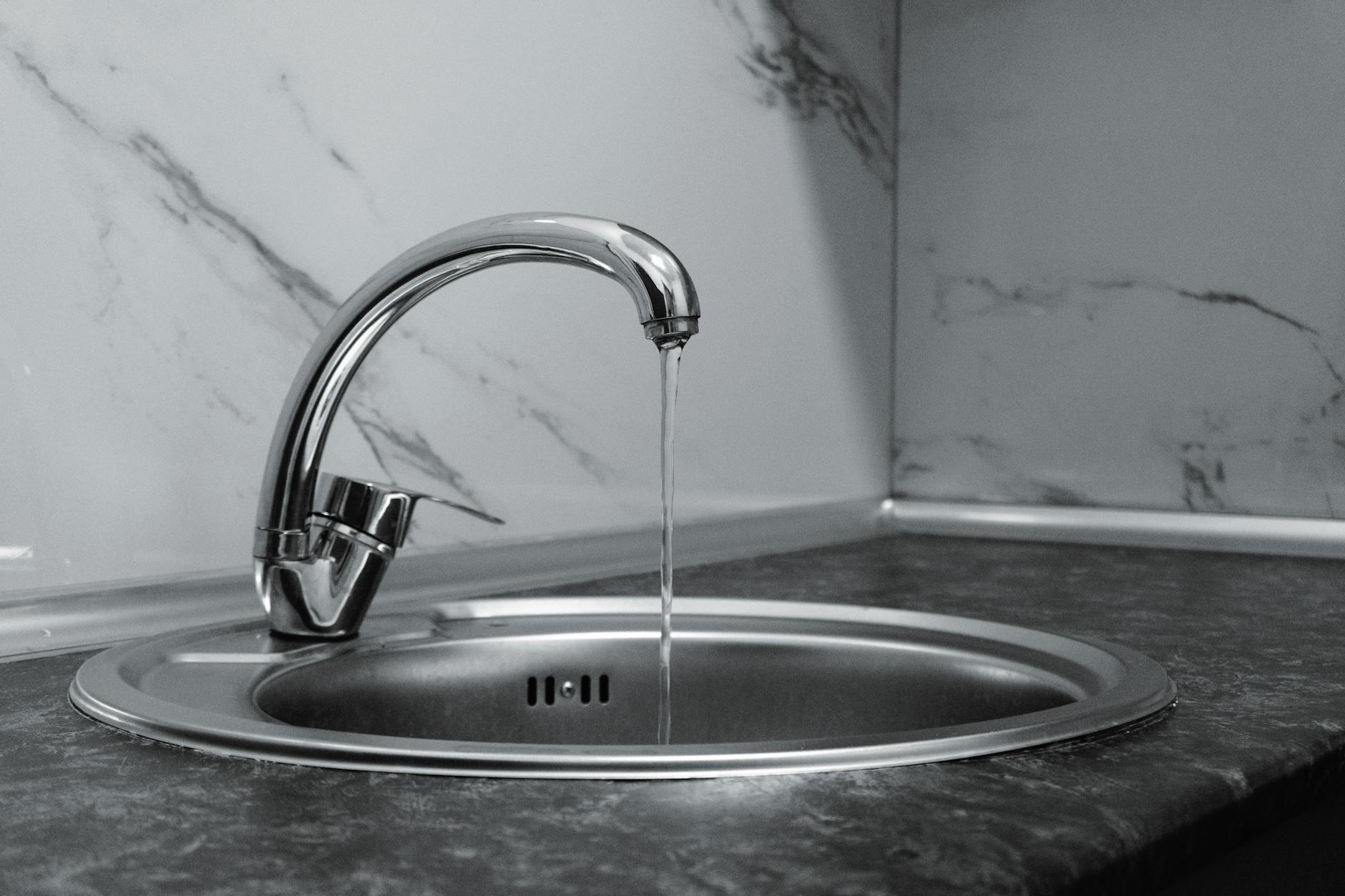
The drainage system is responsible for removing wastewater from sinks, toilets, and showers. This system relies on gravity to move waste away from your home and into the sewer or septic system. Common components include:
- Drain Pipes: Typically made of PVC or ABS plastic, these pipes carry wastewater away.
- Traps: These are U-shaped pipes under sinks that hold water and prevent sewer gases from entering your home.
- Vent Pipes: These allow air into the plumbing system, ensuring smooth drainage.
Understanding how these components work together can help you diagnose issues like slow drains or foul odors.
Common Plumbing Issues
Even with a solid understanding of your plumbing system, problems can arise. Here are a few common issues and what you can do:
1. Leaks
Leaks can occur for several reasons: aging pipes, faulty fixtures, or improper installation. If you notice water stains on your walls or ceilings, it may be time to investigate further. For example, a ceiling leak could indicate a serious issue in your plumbing system.
2. Clogged Drains
Over time, hair, soap, and food particles can build up in your pipes, leading to clogs. Regular maintenance, such as using a drain strainer, can help prevent these issues. If you experience frequent clogs, consider scheduling a leak detection service to identify any underlying problems.
3. Low Water Pressure
If you notice that your shower isn’t as vigorous as it used to be, low water pressure could be the culprit. This can result from clogged pipes or issues with your municipal water supply. If the problem persists, it may be wise to consult a professional plumber.
When to Call a Professional
While some plumbing issues can be handled with DIY solutions, others require the expertise of a professional. Here are a few signs that it’s time to call a plumber:
- Persistent leaks that you can't seem to fix.
- Frequent clogs that reoccur despite your best efforts.
- Unpleasant odors coming from your drains.
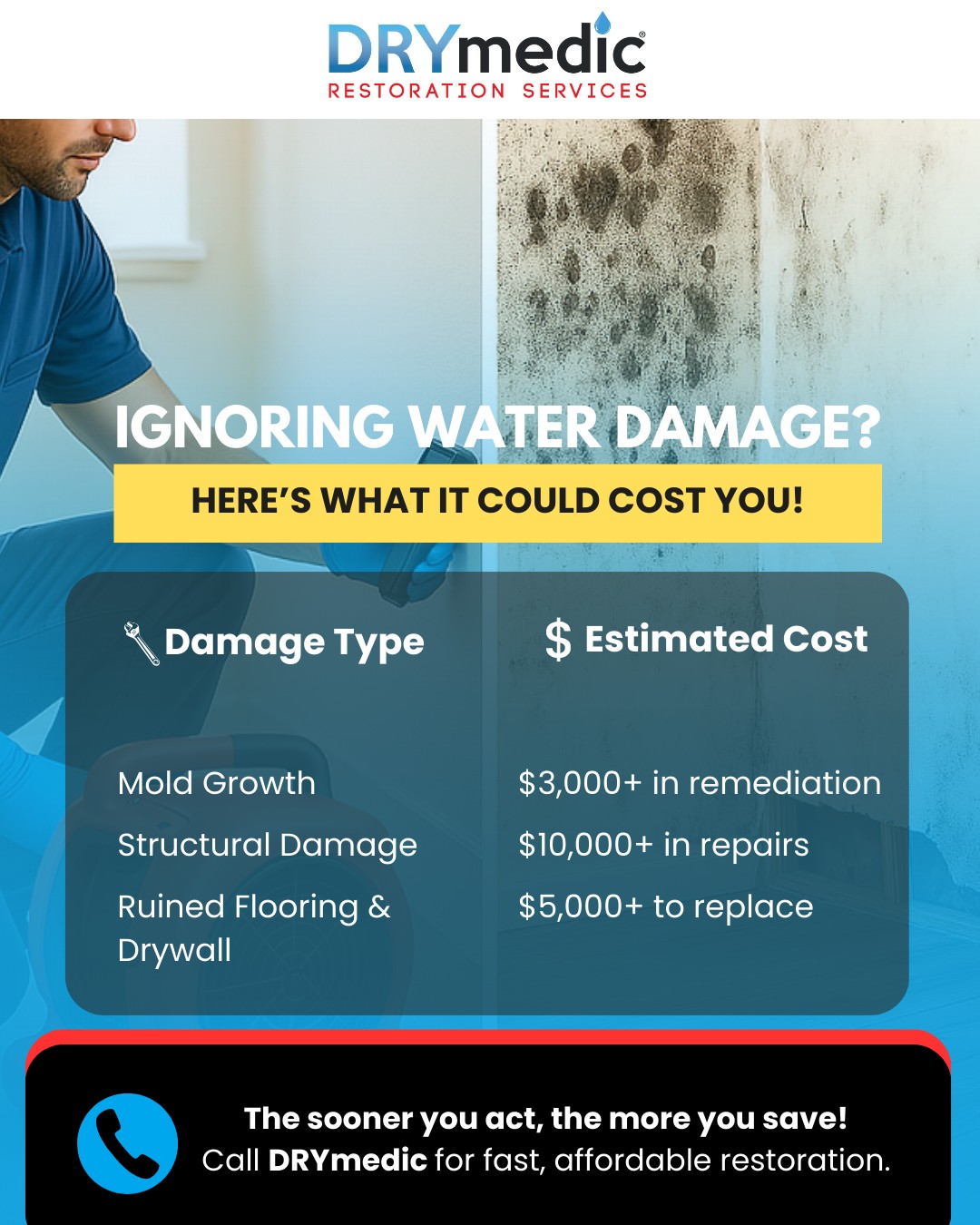
- Water damage in your home, such as stains or mold.
If you find yourself dealing with any of these issues, don’t hesitate to reach out to a professional plumber. They can assess the situation and provide the appropriate solutions.
Conclusion
Your plumbing system plays a crucial role in your home’s functionality. By understanding its components and common issues, you can be better prepared to tackle problems as they arise. Whether you decide to go the DIY route or call in a specialist, knowledge is your best tool for maintaining a healthy plumbing system. If you need assistance, feel free to contact Broward Plumbing Pros. We’re here to help!