Understanding the Connection Between Your Plumbing and Indoor Air Quality in Broward Homes
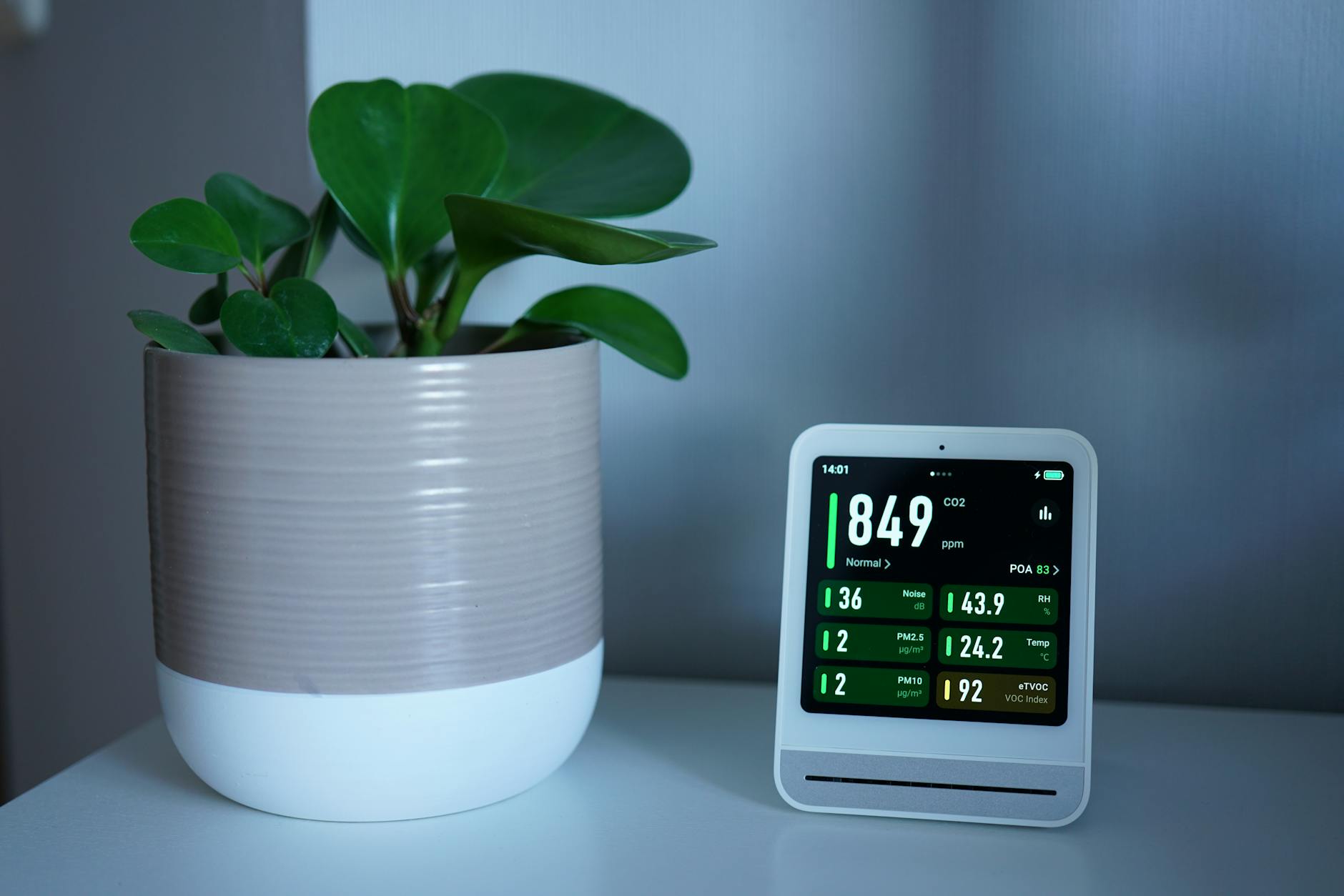
As a homeowner in Broward County, you might not immediately connect the dots between your plumbing and the quality of the air you breathe inside your home. However, these two aspects are more intertwined than you may think. Poor plumbing conditions can lead to moisture problems, which in turn can foster an environment for mold growth, ultimately affecting your indoor air quality.
The Role of Plumbing in Indoor Air Quality
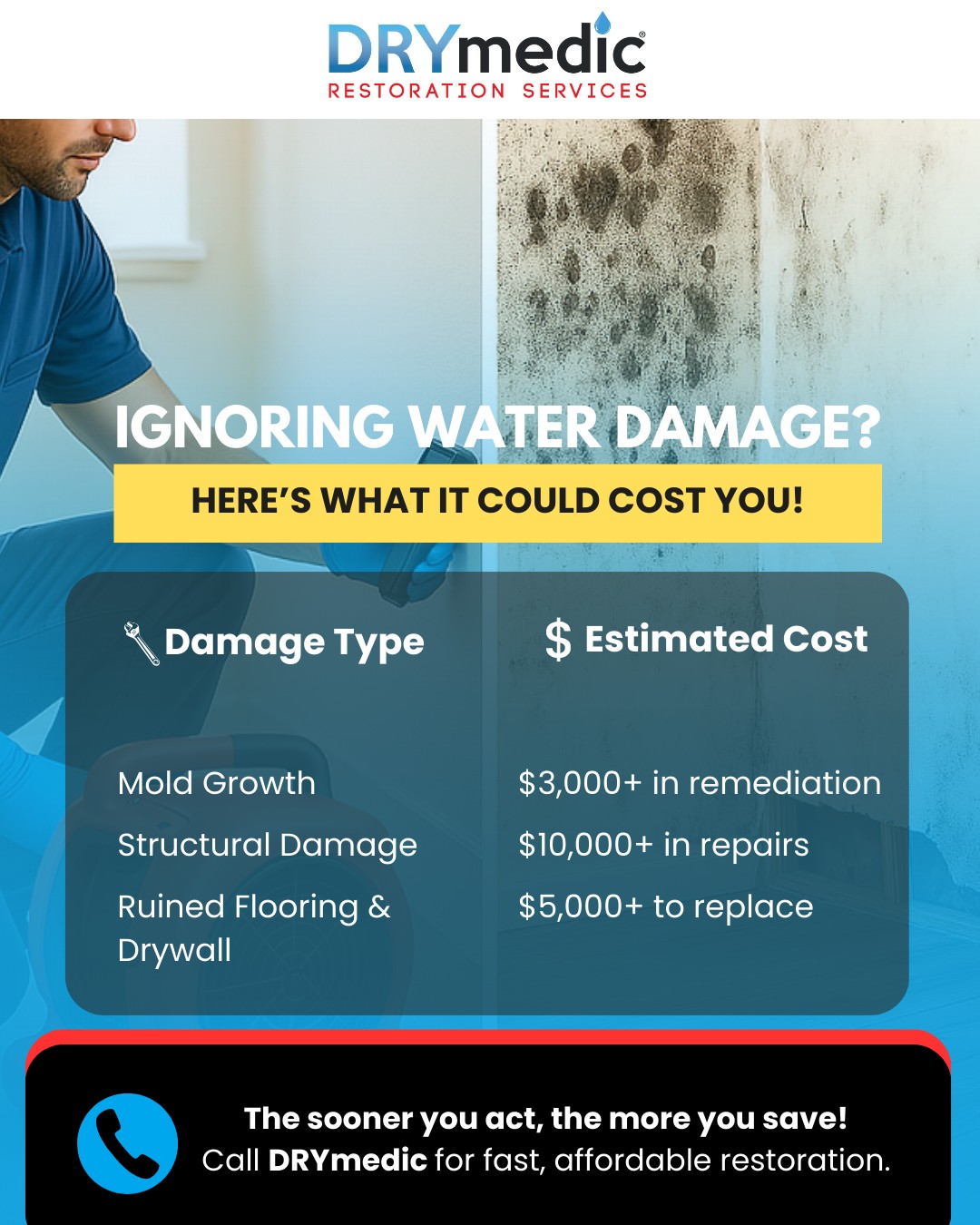
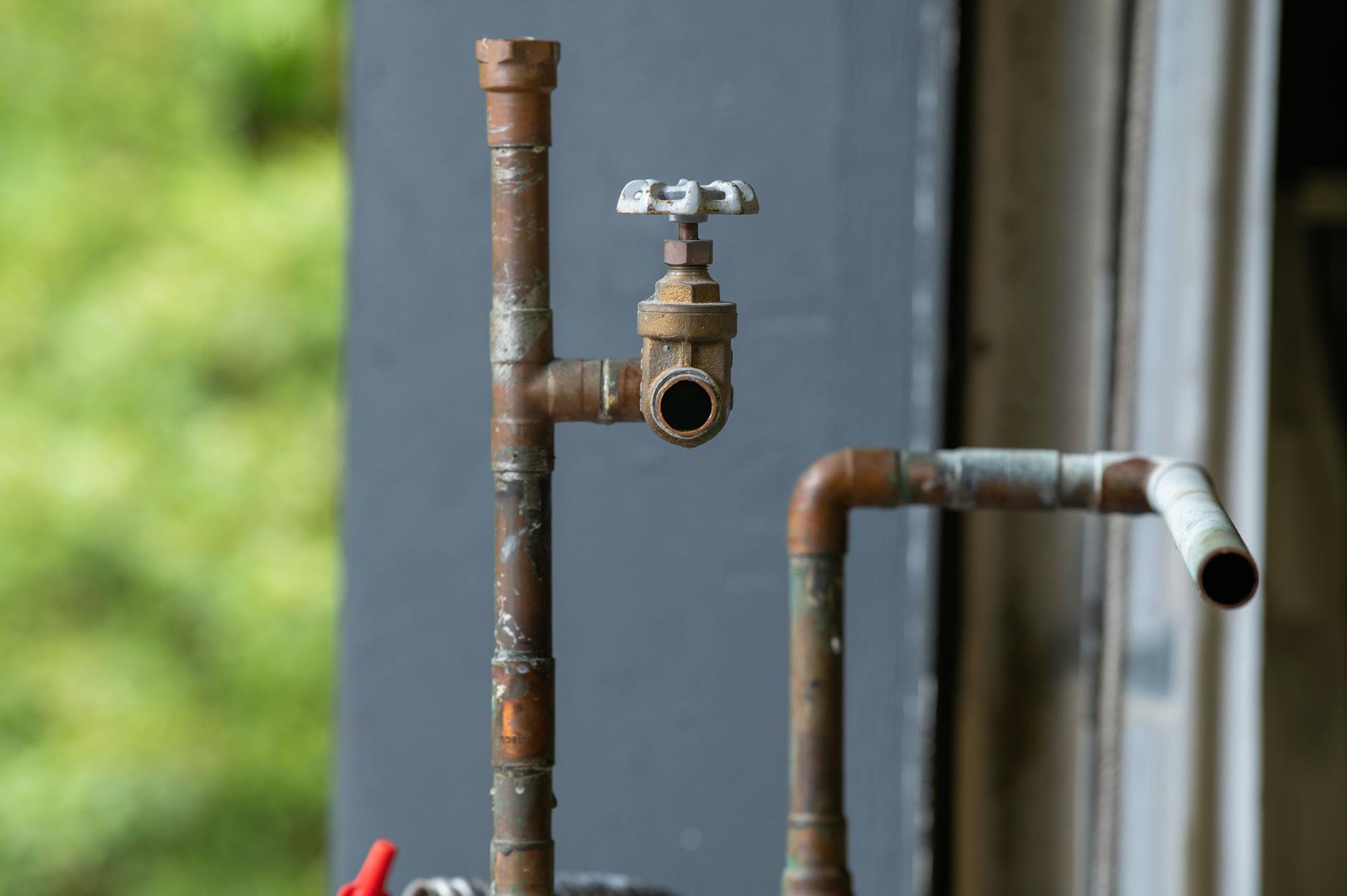
Your plumbing system, including pipes and fixtures, plays a critical role in maintaining a healthy indoor environment. When leaks occur—whether from a bathroom leak or a hidden leak in the walls—they can cause excess moisture. This moisture can create the perfect breeding ground for mold and mildew, both of which can severely impact air quality and pose health risks.
How Moisture Affects Air Quality
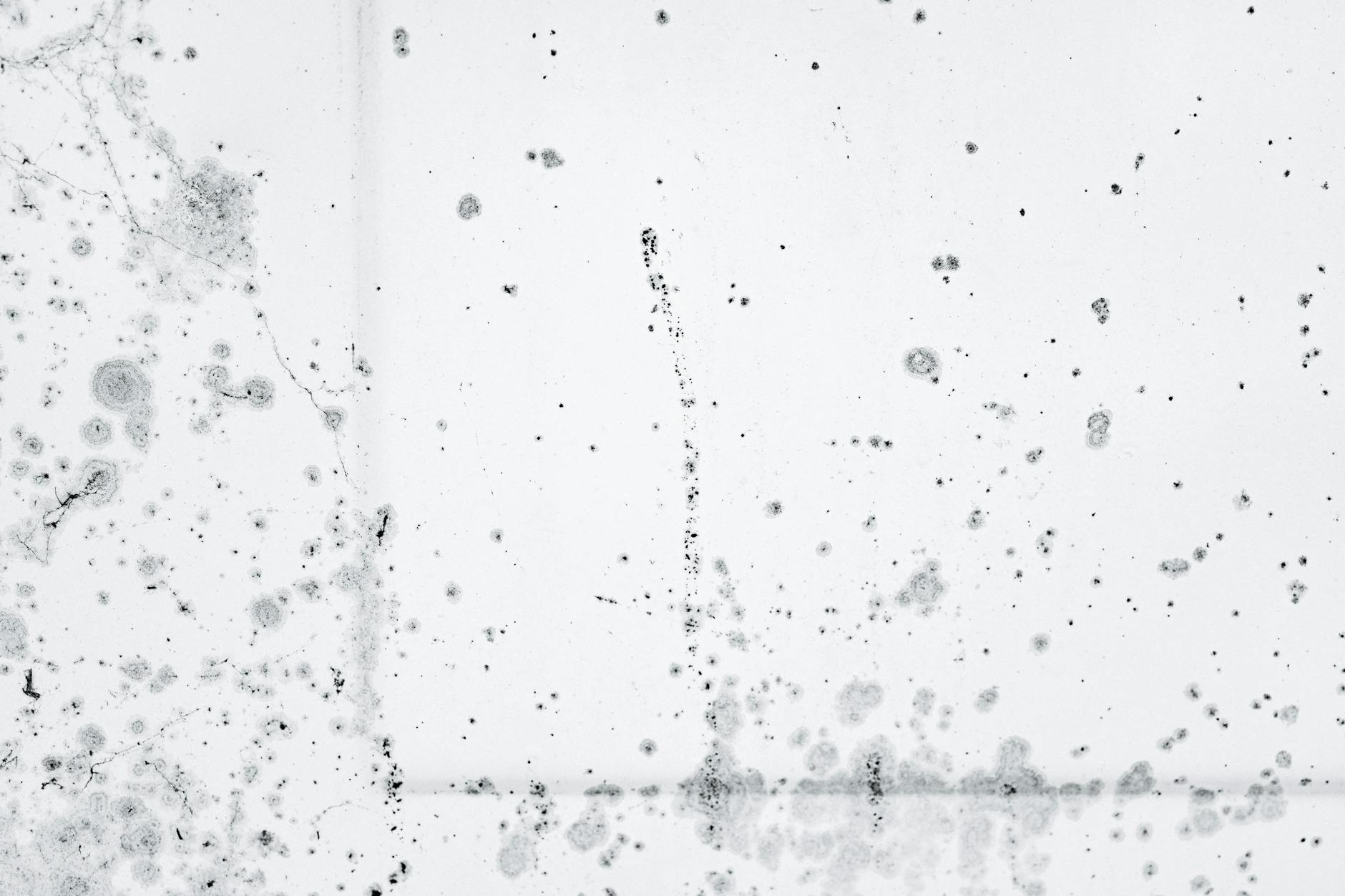
Moisture in the air can lead to a host of problems, including:
- Mold and mildew growth
- Increased allergens
- Unpleasant odors
When mold spores are disturbed, they can easily become airborne, leading to respiratory issues and allergic reactions. Thus, maintaining your plumbing system is not just about preventing water damage; it is also about safeguarding your family’s health.
Signs of Plumbing Issues That Affect Air Quality
Being aware of the signs that your plumbing might be causing air quality issues is crucial. Here are a few indicators that you should look out for:
- Musty odors coming from walls or floors
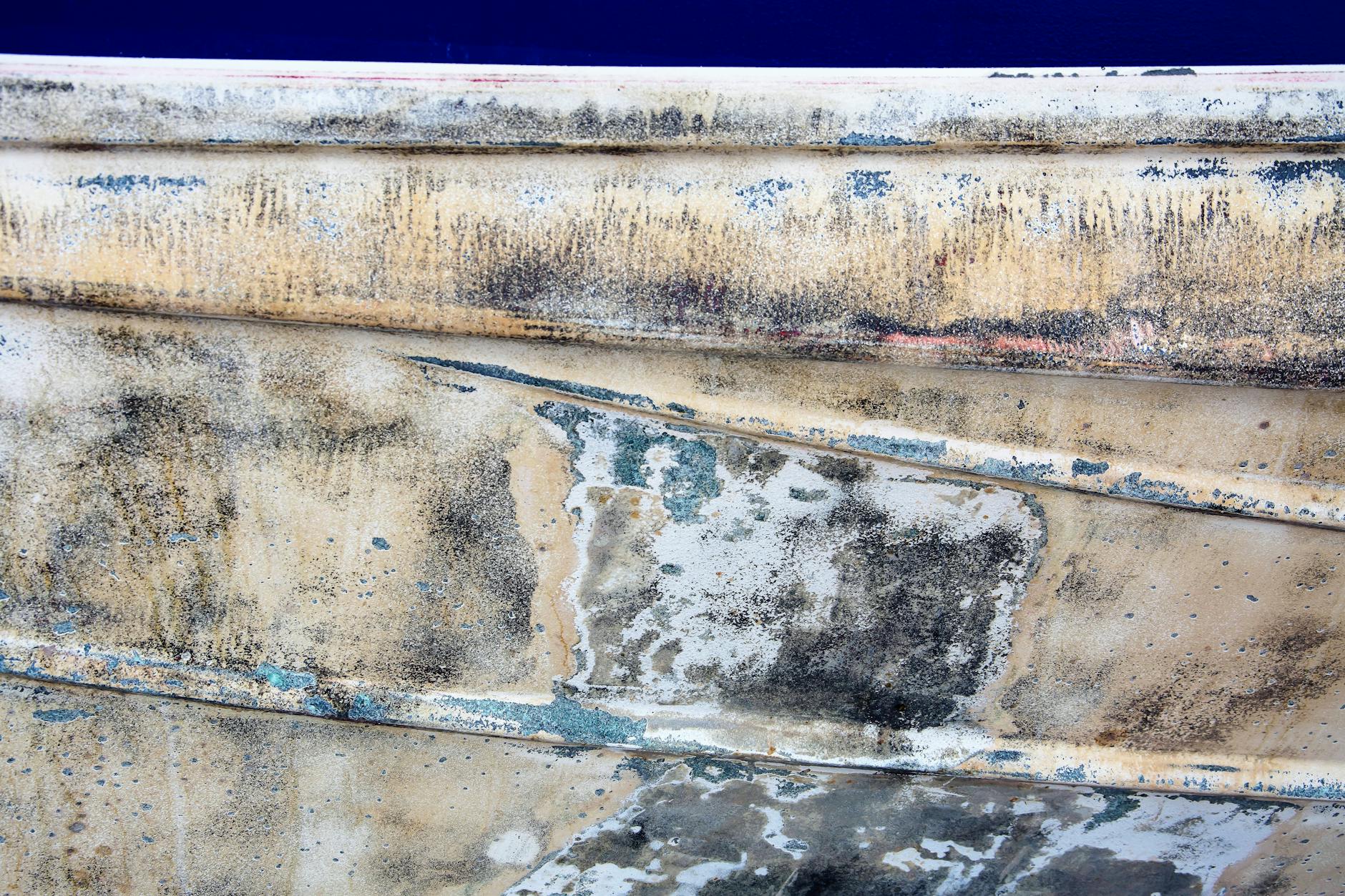
- Visible mold growth on ceilings or walls
- Water stains or discoloration
If you notice any of these signs, it’s time to act. Ignoring plumbing issues can lead to more significant problems down the line, both for your home and your health.
When to Call a Professional
If you suspect that your plumbing system is affecting your indoor air quality, it’s essential to call a plumber immediately. A professional can conduct a thorough inspection of your plumbing system to identify any leaks or issues that may need addressing. They can also provide necessary repairs and help mitigate any existing moisture problems.
Preventative Measures for Better Air Quality
Maintaining your plumbing system is vital, but there are other steps you can take to ensure better indoor air quality:
- Ensure proper ventilation in areas prone to moisture, like bathrooms and kitchens.
- Regularly check your plumbing for leaks and signs of wear.
- Consider using a dehumidifier to manage indoor humidity levels, especially in the warmer months.
By taking these proactive steps, you can significantly reduce the risk of plumbing-related air quality issues.
The Importance of Regular Inspections
Regular plumbing inspections can help catch small problems before they turn into larger issues. A simple check-up can save you money and ensure that your home remains a safe and healthy environment. If you need assistance, consider scheduling a leak detection service to identify any hidden leaks in your plumbing system.
For more extensive issues, you may need to consult with experts in property restoration. For example, if you’re dealing with mold, you might find services like Broward Restoration Pros helpful in addressing the problem and restoring your home to a safe condition.
Conclusion
Understanding the connection between your plumbing and indoor air quality is essential for maintaining a healthy home in Broward County. By being proactive about your plumbing and addressing any issues as they arise, you can protect your family from health risks associated with poor air quality. Don't hesitate to reach out for professional help when needed, and remember that early intervention is key to preventing bigger problems down the line.
For further insights on related topics, check out this blog article to deepen your understanding of humidity's impact on mold growth in your home.