Navigating Plumbing Regulations Specific To Broward County's Historic Homes
Living in a historic home in Broward County is a unique experience filled with charm and character. However, it also comes with its own set of challenges, especially when it comes to plumbing. Navigating the plumbing regulations specific to these older structures can be daunting, but understanding them is crucial for maintaining the integrity of your home and ensuring compliance with local laws.
Understanding Broward County Plumbing Regulations
Broward County has specific plumbing regulations that homeowners must follow, particularly for historic homes. These regulations are in place to preserve the architectural integrity of these buildings while ensuring the safety and health of their occupants. From the materials used in plumbing systems to the types of repairs allowed, here are key points to consider:
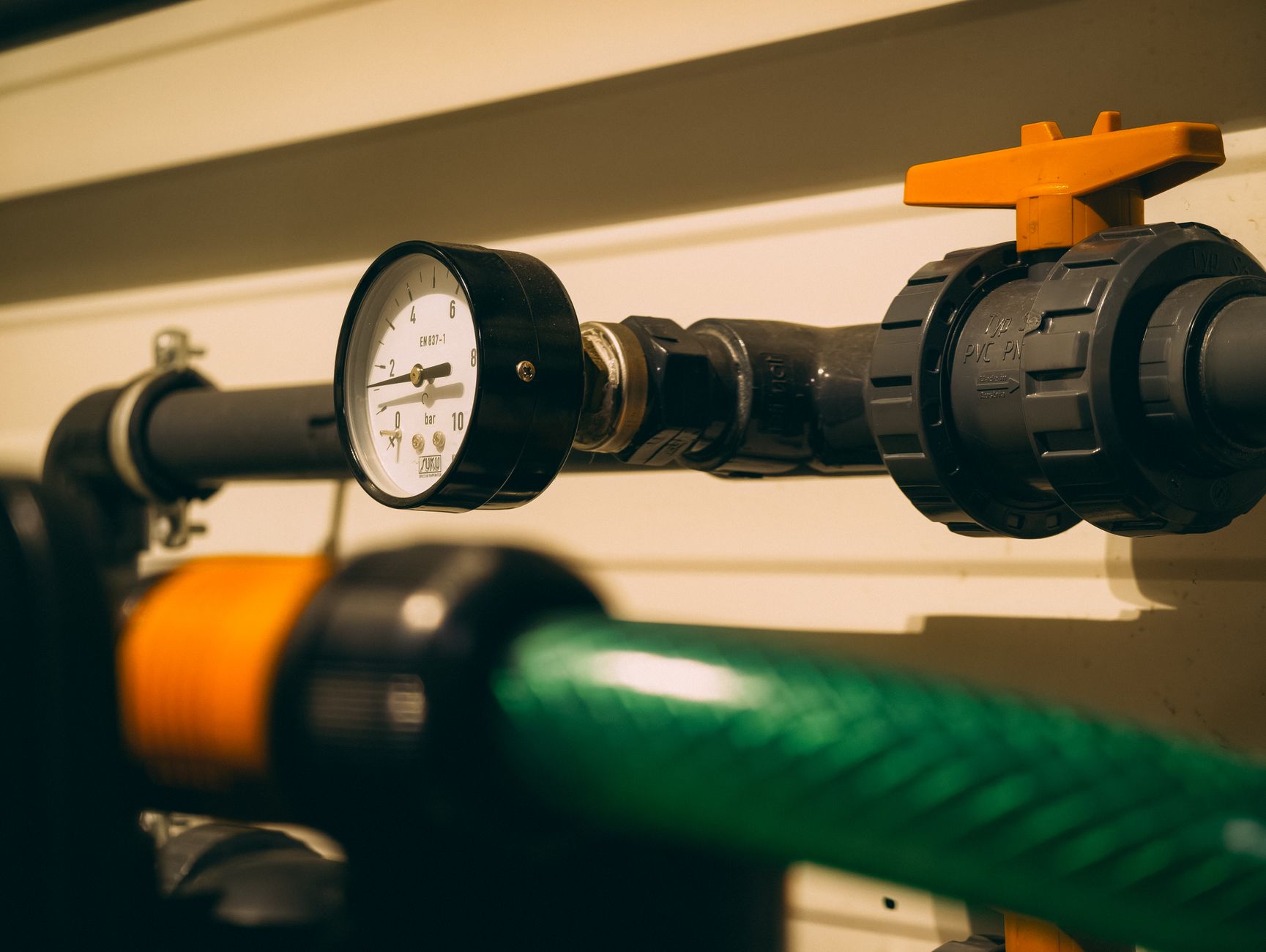
- Material Restrictions: Older homes often contain plumbing made from outdated materials like lead or cast iron. Regulations may require the replacement of these materials to meet current safety standards.
- Permits and Inspections: Any significant plumbing work, such as repiping or major repairs, generally requires a permit. This includes inspections to ensure that the work meets county standards.
- Historical Preservation: If your home is designated as a historic property, additional guidelines may apply. You'll need to consult with the local historic preservation board before making changes to the plumbing systems.
Common Plumbing Issues in Historic Homes
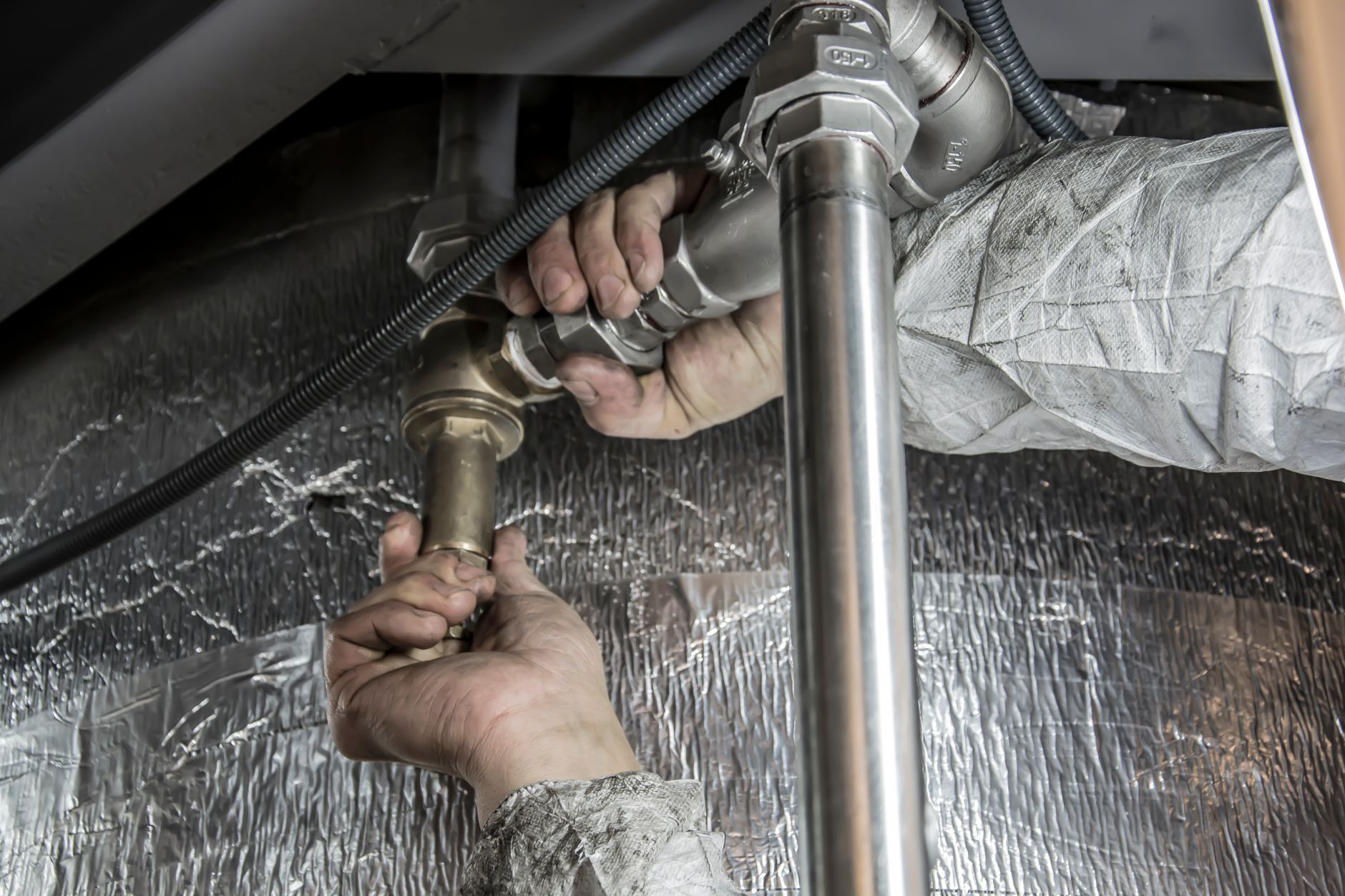
Many historic homes in Broward County face unique plumbing issues due to their age. Understanding these problems can help you take proactive measures. Common issues include:
- Corroded Pipes: Older pipes are more susceptible to corrosion, which can lead to leaks and reduced water quality.
- Outdated Fixtures: Many historic homes still feature old plumbing fixtures that may not function properly or be energy-efficient.
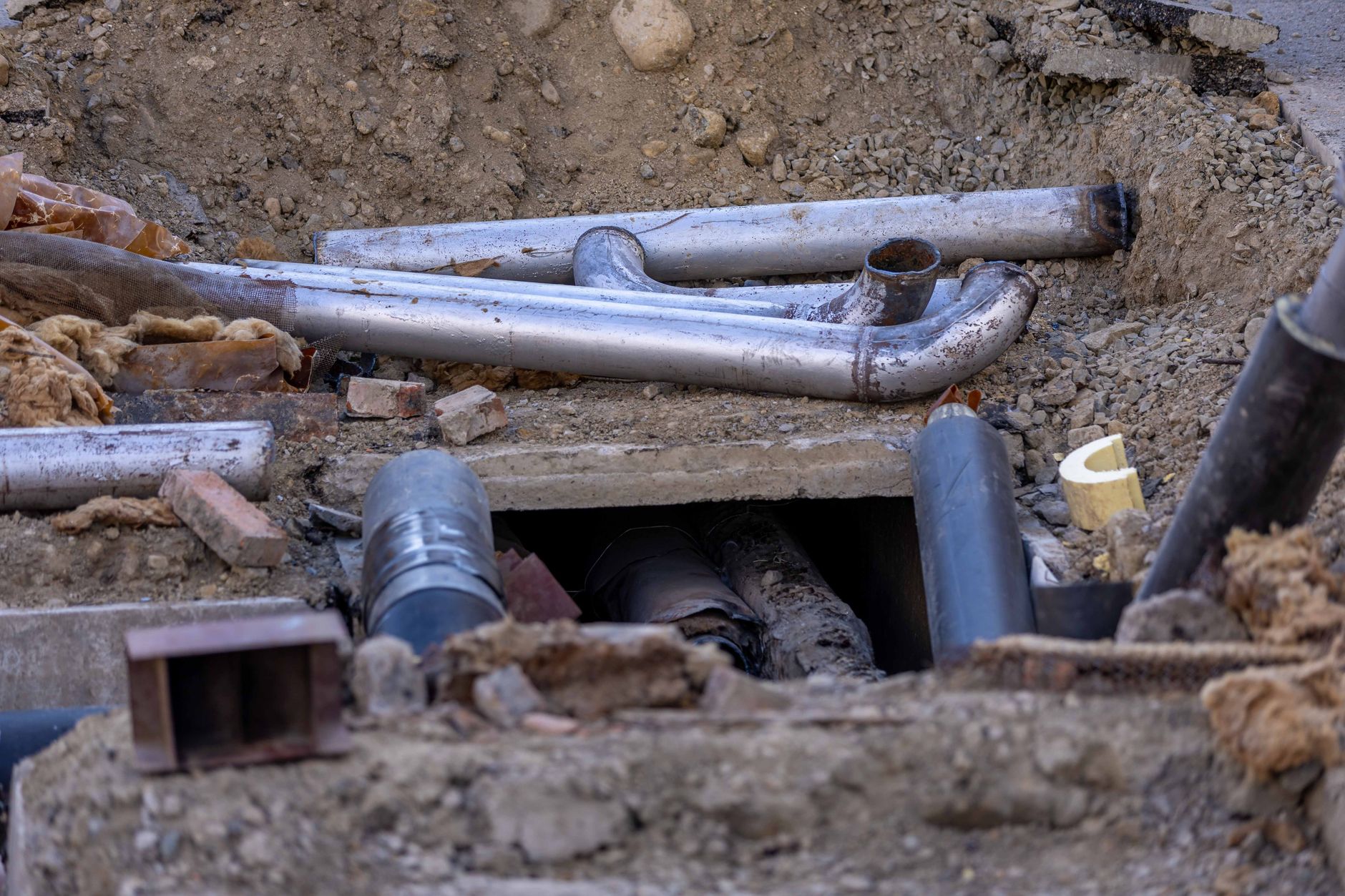
- Drainage Problems: Aging drainage systems can become clogged or inefficient, leading to backups and potential water damage.
When to Call a Professional
While some plumbing issues may seem manageable, it's essential to know when to call in a professional. If you encounter any of the following, it's best to consult with a licensed plumber:
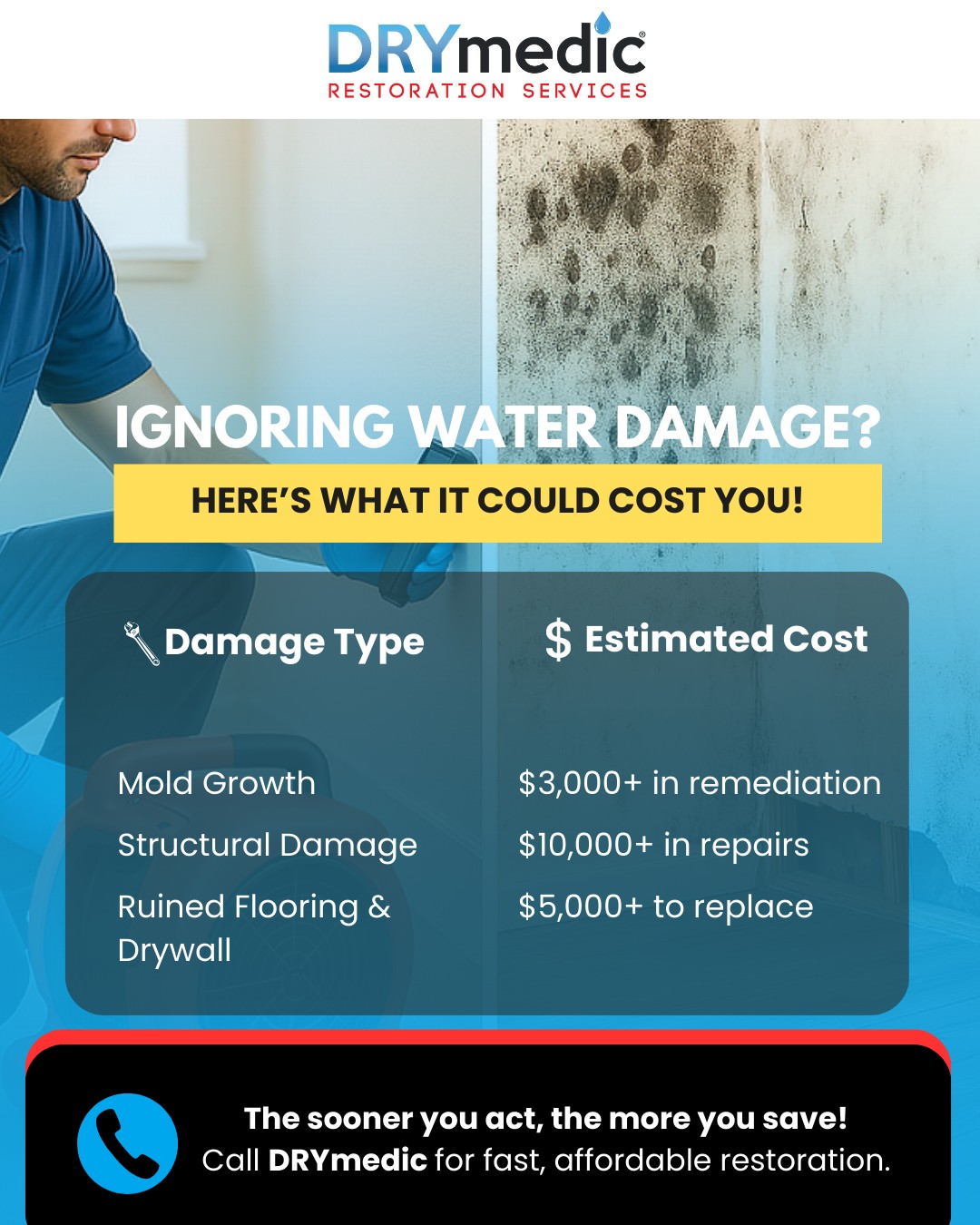
- Signs of water damage or mold
- Frequent clogs or slow drains
- Unusual noises from the plumbing system
- Visible leaks or moisture damage
Local experts like Broward Plumbing Pros understand the nuances of plumbing regulations and requirements for historic homes. They can guide you through the process and ensure all work is compliant with Broward County regulations.
Insurance Considerations
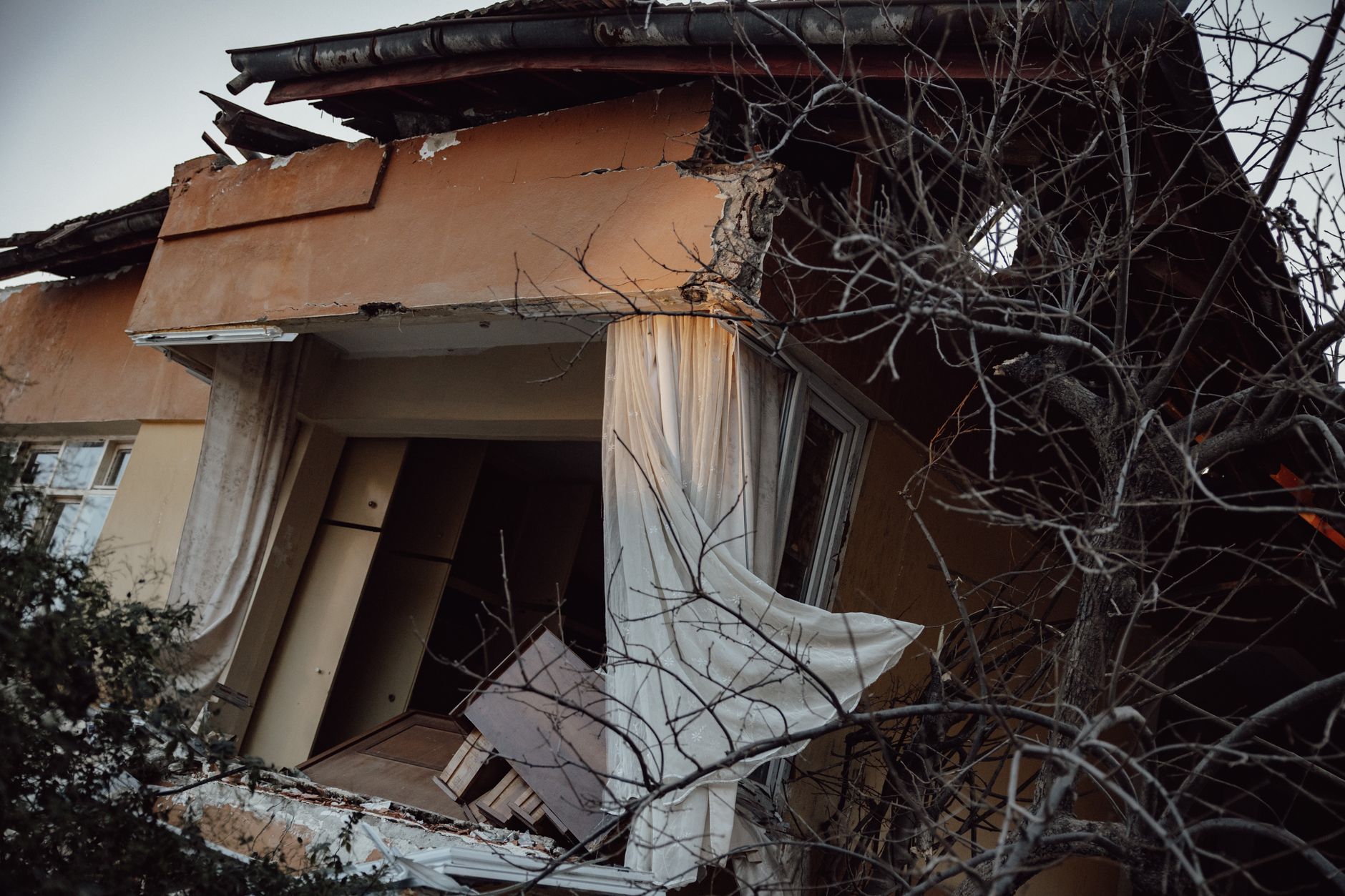
Homeowners insurance can be a complex topic, especially when it comes to historic homes and plumbing issues. Understanding what your policy covers regarding plumbing repairs is essential. If you experience water damage, you may need to file a claim, and knowing the ropes can save you time and frustration.
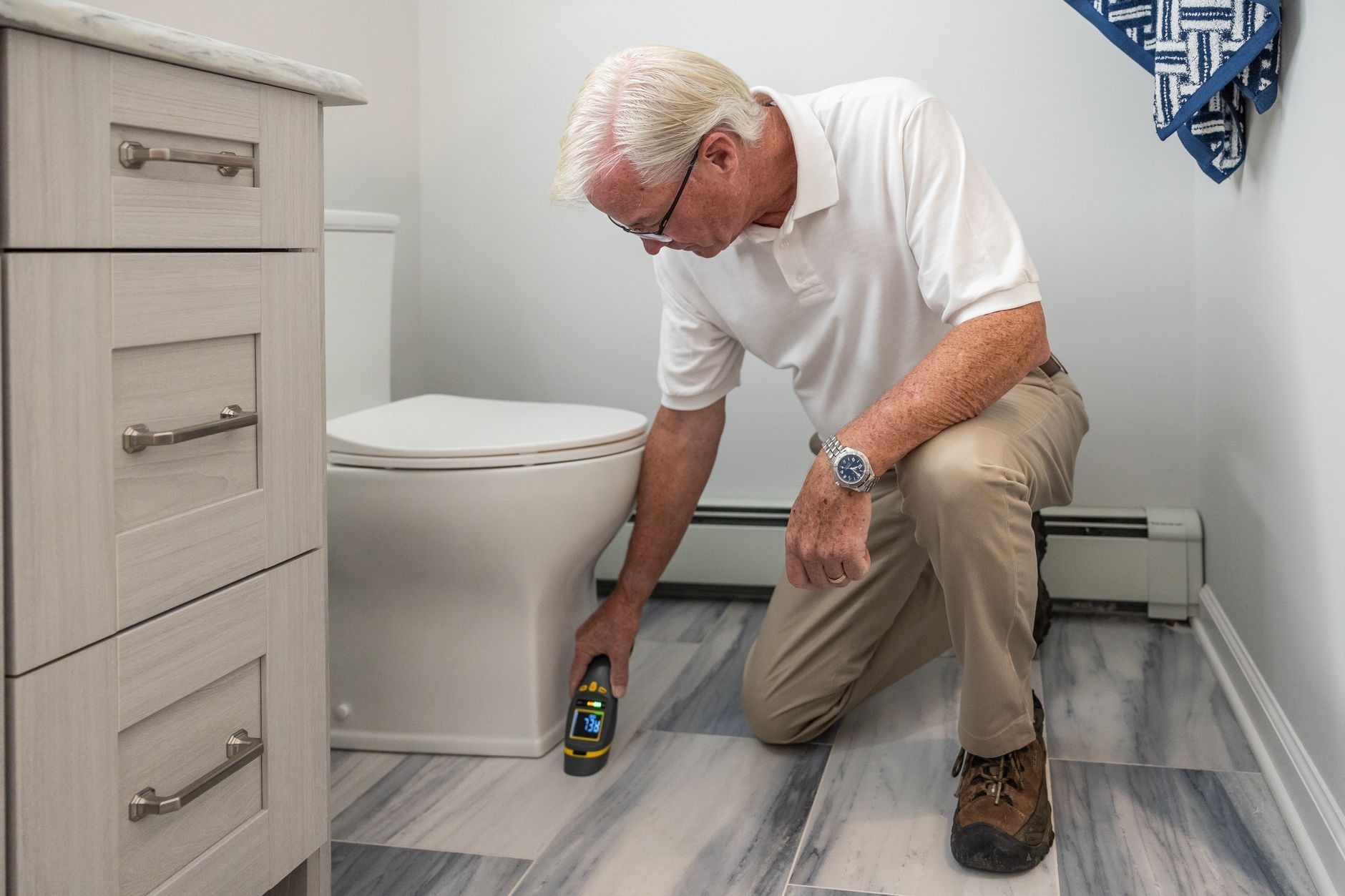
For detailed guidance, check out this insightful resource on navigating insurance claims after water damage.
Conclusion
Navigating plumbing regulations in Broward County, especially for historic homes, may feel overwhelming. However, by understanding the key regulations and knowing when to seek professional help, you can preserve the beauty of your home while ensuring it remains safe and functional. If you're facing plumbing challenges, don't hesitate to reach out to a local expert to assist you in maintaining your historic treasure.
Additionally, for any water damage restoration needs, consider contacting Broward Restoration Pros for their 24-hour water damage restoration services.