Understanding The Effects Of High Humidity On Plumbing Systems In Broward County
Living in Broward County, you likely cherish the sunny weather and the beautiful beaches. However, the high humidity levels can have a significant impact on your plumbing systems. As a homeowner, understanding the effects of humidity on your plumbing can help you prevent potential disasters and maintain a healthy home environment.
Humidity is the amount of moisture in the air, and in Broward County, it often reaches uncomfortable levels. This persistent moisture can lead to various plumbing issues, from pipe leaks to mold growth. While plumbing systems are designed to handle a certain amount of water, excessive humidity can overwhelm them, leading to costly repairs.

Effects of High Humidity on Plumbing Systems
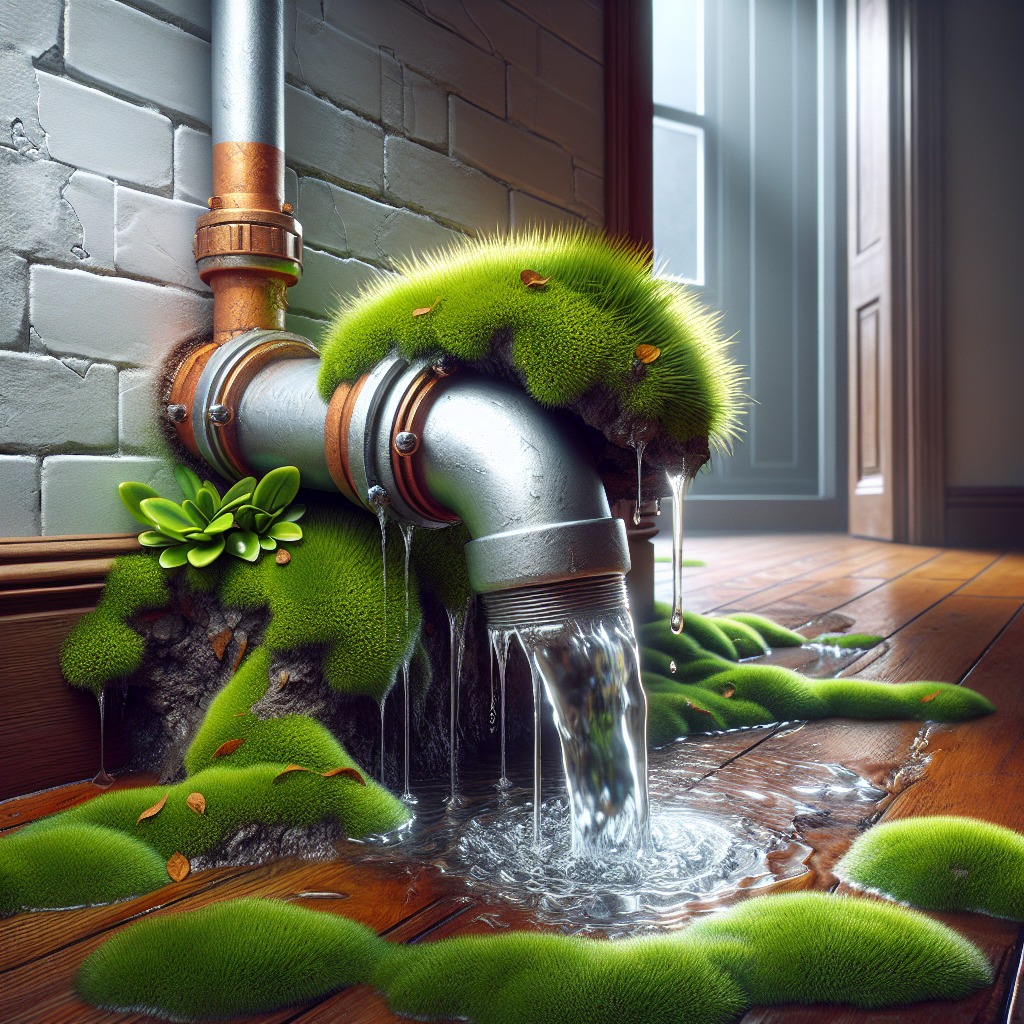
One of the primary concerns with high humidity is its effect on metal pipes. When humidity levels rise, condensation can form on the exterior of pipes, leading to rust and corrosion. Over time, this deterioration can result in burst pipes, which are not only a hassle but can also lead to water damage and mold growth in your home.
Additionally, high humidity can create an environment conducive to mold and mildew. When moisture seeps into your walls or under sinks, it can create a breeding ground for these harmful organisms. Mold can not only damage your home but also pose health risks to your family.
Signs of Damage from Humidity
As a homeowner, it’s crucial to recognize the signs that high humidity is affecting your plumbing system. Here are a few indicators to watch for:
- Visible moisture or condensation on pipes
- Mold growth in bathrooms, kitchens, or near water sources
- Leaky faucets or toilets that seem to be running continuously
- Unusual odors, which may indicate hidden mold or mildew
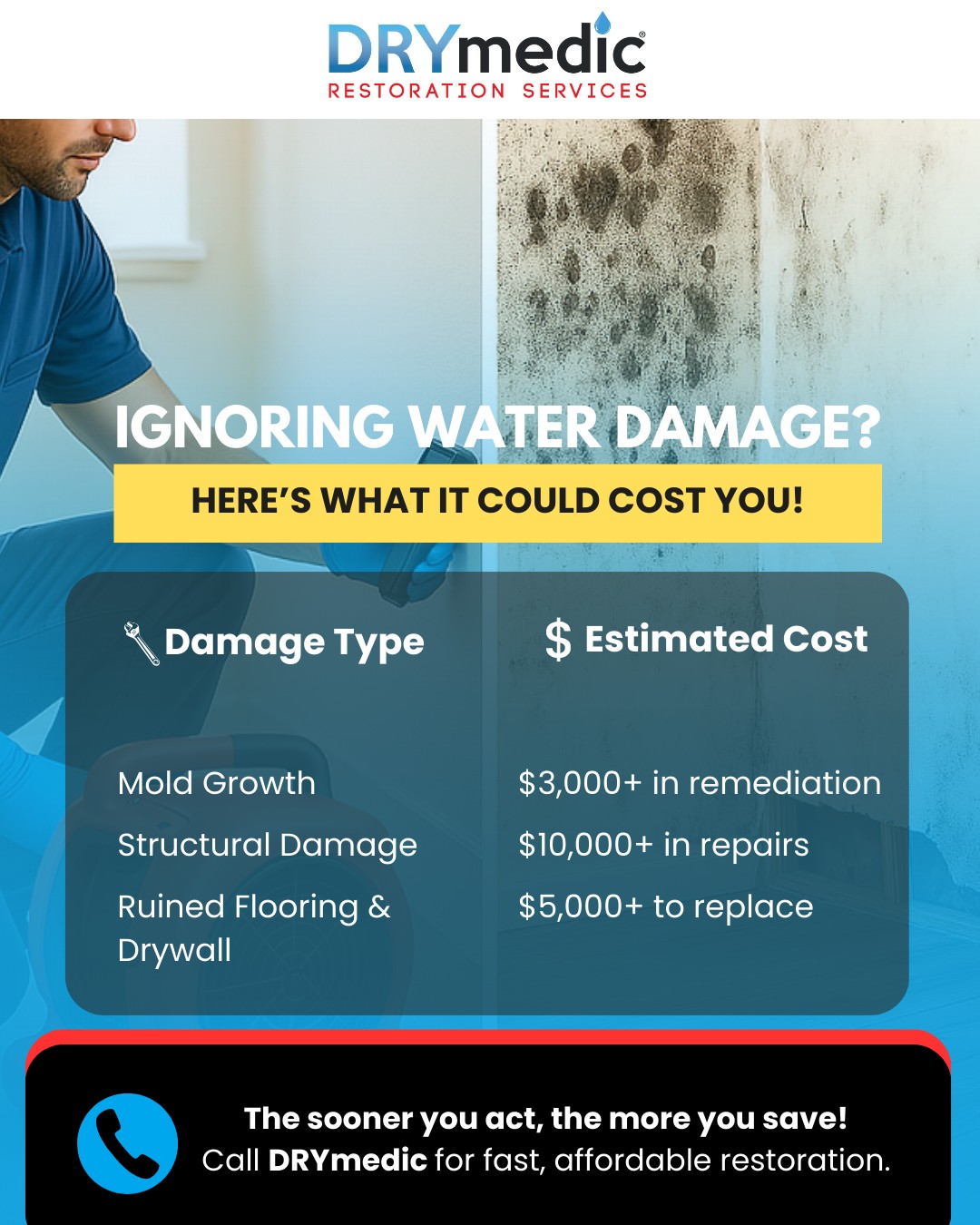
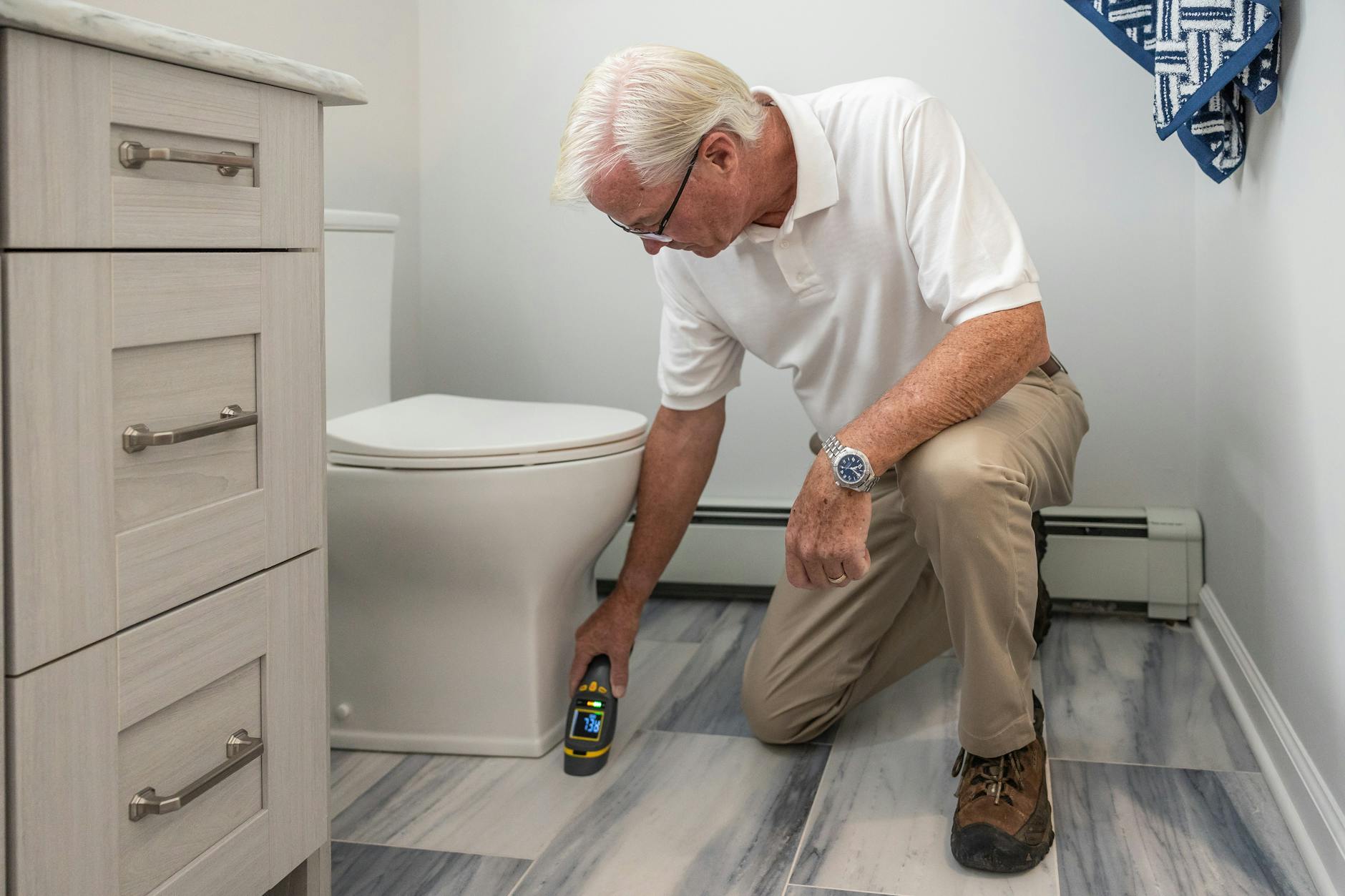
If you notice any of these signs, it’s essential to take action promptly. Ignoring these issues can lead to more extensive damage and higher repair costs. Calling a professional plumber for a thorough inspection can help identify and address any potential problems before they escalate.

Preventing Humidity-Related Plumbing Problems
Prevention is key when it comes to managing the effects of humidity on your plumbing system. Here are some practical steps you can take to minimize humidity's impact:
- Invest in a dehumidifier to control moisture levels in your home, particularly in basements and bathrooms.
- Ensure proper ventilation in areas prone to high humidity, such as kitchens and bathrooms. Installing exhaust fans can help reduce moisture buildup.
- Regularly check for leaks in your plumbing and appliances. Early detection can save you from more significant damages.
- Consider having a leak detection service performed to identify hidden leaks that could be exacerbating humidity problems.
By taking these proactive measures, you can help protect your home from the adverse effects of humidity.
When to Call a Pro
If you experience persistent plumbing issues, such as frequent leaks or mold growth, it may be time to call a professional. A trained plumber can assess your situation and provide tailored solutions to mitigate the effects of humidity. Furthermore, professional plumbers can help with emergency situations, ensuring that you’re not left dealing with a plumbing disaster alone.
In addition to plumbing services, it’s also wise to have a reliable restoration service on hand. For instance, if you do experience significant water damage due to humidity-related plumbing issues, you can reach out to professionals like Broward Restoration Pros for quick and effective assistance.
Conclusion
Understanding the effects of high humidity on your plumbing system is vital for maintaining a safe and comfortable home. By recognizing the signs of humidity-related damage and taking preventive measures, you can protect your plumbing and your home from extensive damage. Remember that when in doubt, consulting a professional can save you time, money, and stress in the long run. For more information on the long-term impacts of water damage, you can also check out this insightful article on water damage.