How To Minimize Plumbing Damage From Broward's Humidity
Living in Broward County comes with its unique set of challenges, particularly when it comes to the humidity that can wreak havoc on home plumbing systems. Many homeowners find themselves grappling with plumbing issues that arise not just from wear and tear, but from the humid conditions that can lead to a multitude of problems, from leaks to mold growth.
Humidity can create an environment conducive to leaks and water damage, especially if your plumbing is not adequately maintained. But don’t worry—by taking proactive steps, you can minimize the impact of humidity on your plumbing. In this article, we’ll explore practical solutions to protect your home and prevent plumbing disasters.
Understanding the Risks
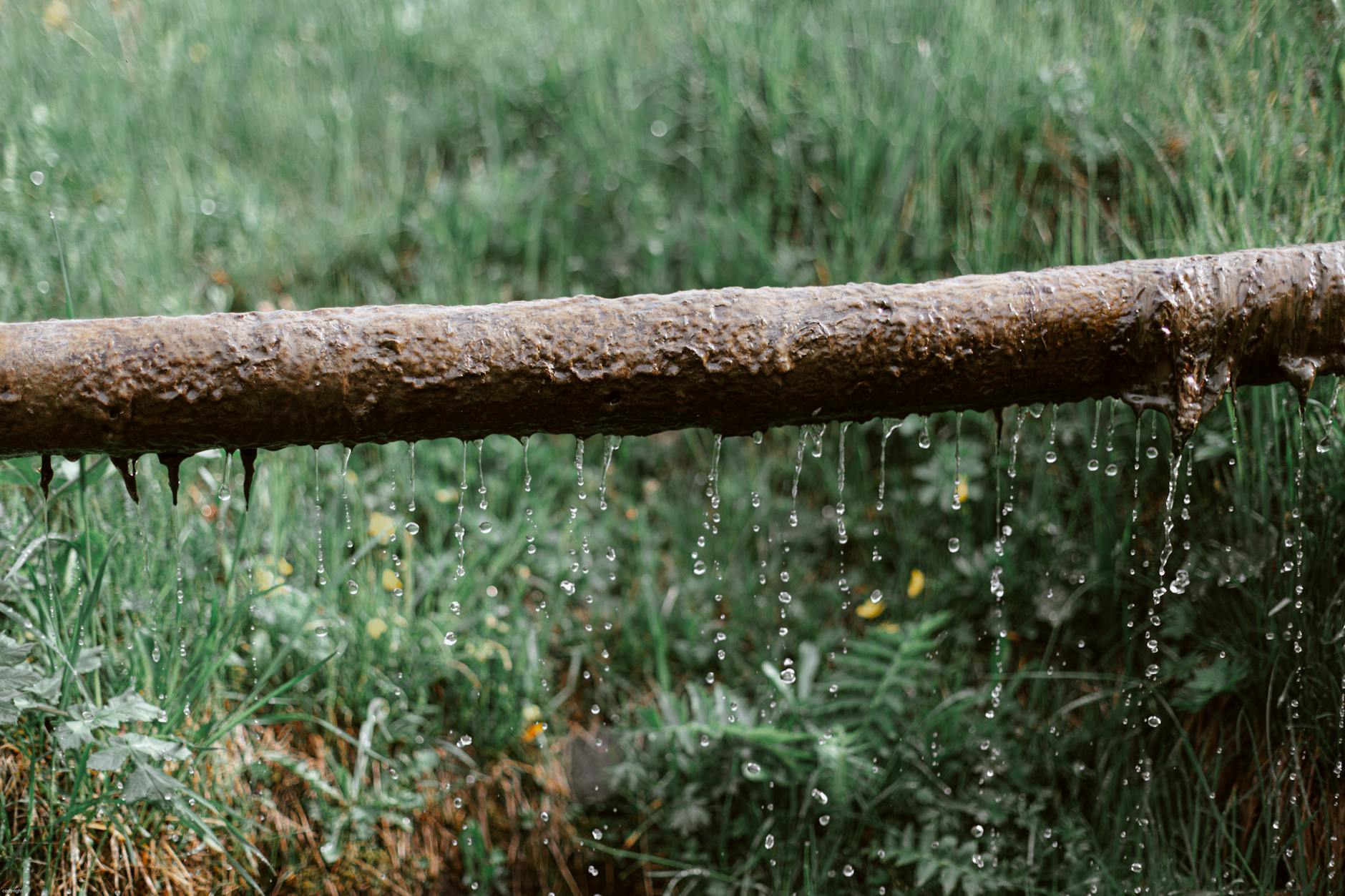
High humidity levels can lead to condensation on pipes, which can eventually result in water damage. This is particularly true for uninsulated pipes or those located in areas with poor ventilation. Moreover, moisture can accumulate, increasing the risk of mold growth, which poses health risks and potential structural damage to your home.
Common Plumbing Problems Associated with Humidity
As a homeowner in Broward, it's crucial to be aware of the plumbing issues that can arise from high humidity:
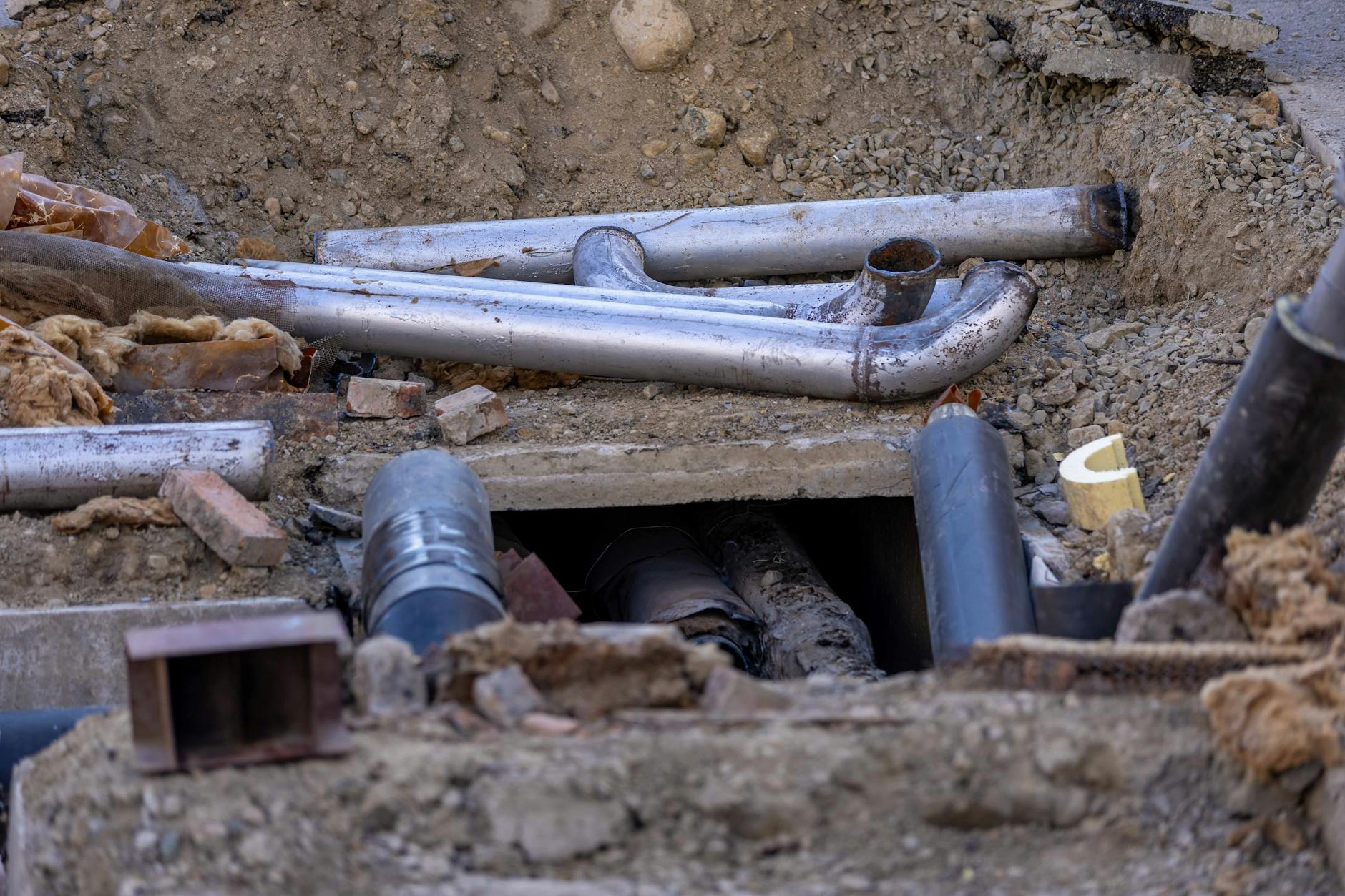
- Pipe Leaks: Humidity can exacerbate minor leaks, leading to significant water damage if not addressed promptly.
- Mold Growth: Damp conditions encourage mold, which can affect indoor air quality and health.
- Clogged Drains: Increased moisture can lead to debris buildup in your pipes, resulting in slow drainage or backups.
Preventive Measures to Take
So, how can you protect your plumbing from the humidity? Here are several strategies:
1. Insulate Your Pipes
Insulating your pipes is one of the most effective ways to prevent condensation. Use foam pipe insulation to cover pipes in unconditioned spaces, such as basements or attics. This helps maintain the temperature of the pipes and reduces the chances of condensation forming.
2. Maintain Proper Ventilation
Ensure that your home is well-ventilated, especially in areas like bathrooms and kitchens where humidity is often higher. Consider installing exhaust fans to help remove moisture from the air. Additionally, keeping windows open when possible can help circulate air and reduce humidity levels.
3. Regular Plumbing Inspections
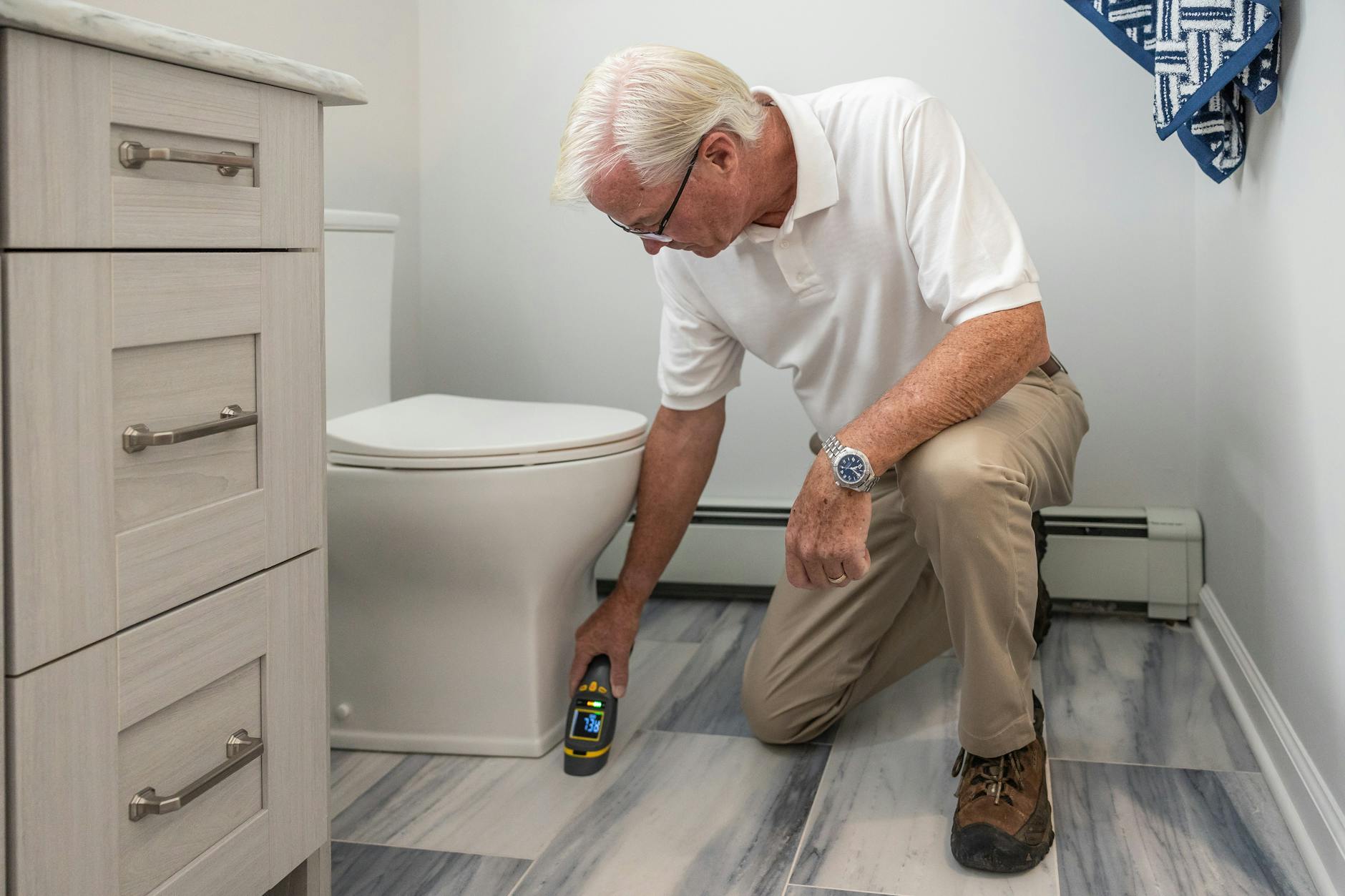
Having a professional plumbing inspection can help identify potential issues before they become serious problems. Regular checks can catch leaks early and address any signs of moisture damage. If you suspect a leak, don’t hesitate to call a plumber for a thorough inspection.
4. Monitor Indoor Humidity Levels
Investing in a hygrometer can help you monitor humidity levels in your home. Ideally, indoor humidity should be kept between 30-50%. If levels are consistently high, using a dehumidifier can help manage moisture levels.
When to Call a Professional
If you start noticing signs of plumbing issues, such as water stains on walls or ceilings, it’s crucial to take action. Ignoring these signs can lead to more extensive damage and costly repairs. Don’t wait until it’s too late—if you’re experiencing persistent leaks or water damage, call a plumber immediately.
Additionally, if you find mold growing in your home, it’s best to consult a professional for both mold remediation and plumbing repairs. The health risks associated with mold are significant, and addressing the source of the moisture is critical to preventing future growth.
Conclusion
Humidity in Broward County can pose a real threat to your home’s plumbing system, but with the right preventive measures, you can minimize damage and maintain a healthy living environment. Remember to insulate your pipes, ensure proper ventilation, and keep an eye on your home’s humidity levels. By staying proactive, you can protect your home from the adverse effects of humidity.
If you ever need assistance, don’t hesitate to reach out to professionals. For emergency situations, Broward Restoration Pros offers 24-hour water damage restoration to help you recover quickly. You can also learn more about managing water damage from natural disasters by visiting their blog here.