Water Damage Cleanup
Done Right — Fast Extraction & Structural Drying

Tap to call DRYmedic Restoration Services

Standing water & saturation Commercial drying equipment Mold prevention focus

CLEANUP + RESTORATION

Remove the Water — Then Dry What You Can’t See

Professional Cleanup Is the Bridge to Full Restoration

Whether you are dealing with a burst pipe, slab leak, appliance line, toilet overflow, or storm intrusion, cleanup is not just mopping and fans. Restoration teams extract water from materials, remove what cannot be saved safely, and dry structural cavities so moisture does not keep traveling into drywall, cabinets, trim, and subfloors.

The goal is the same as every other step in our process: protect your home from hidden damage and mold — with documentation your carrier may ask for.

  • Water extraction & controlled demolition when needed
  • HEPA containment & odor control options
  • Commercial dehumidification & air movement
  • Moisture mapping + drying documentation
Why speed matters: In South Florida, damp building materials can support mold conditions in 24–48 hours. The longer water sits, the more materials may need removal — and the higher the repair scope.
DRYmedic Restoration Services logo
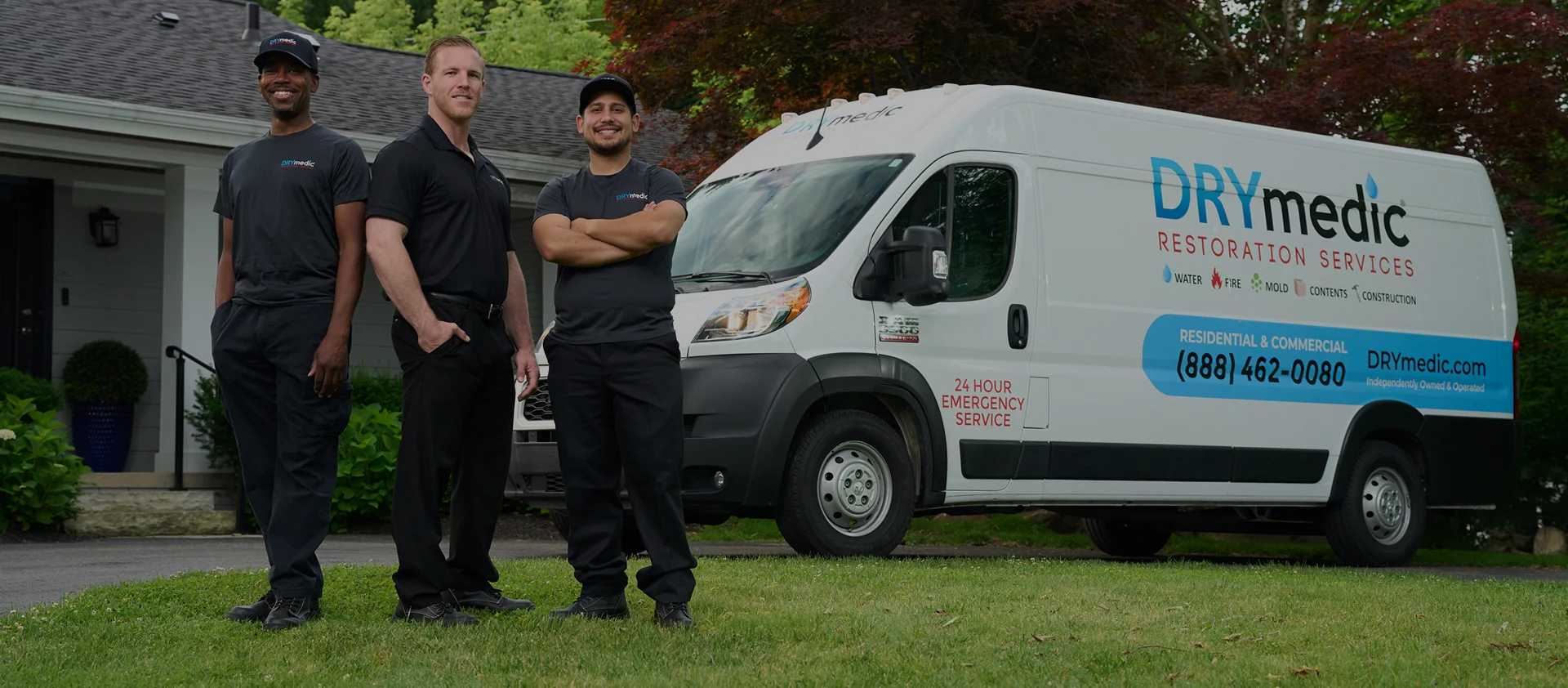
DRYmedic Restoration Services team and equipment

DRYmedic Restoration Services specializes in removing water, drying your property, and preventing hidden issues like mold or structural damage.

  • Available 24/7 for emergencies
  • Fast response when you need help most
  • Work directly with your insurance company
  • Mold removal with clean gaurantee
  • Restore your property safely and completely
  • Peace of mind from start to finish

Rated
by 90 of your neighbors

Step 1

Assess & stabilize

Step 2

Extract & remove unsalvageables

Step 3

Dry, monitor & restore

WHY NOT DIY?

Surface-Dry Is Not the Same as Structurally Dry

Shop vacs and household fans rarely move enough air or pull enough moisture out of wall cavities, cabinetry, or layered flooring. Restoration crews set drying goals based on readings — so you know when it is safe to rebuild, not just when it “looks fine.”

  • Water spread to multiple rooms or levels
  • Carpet pad, drywall, or insulation got wet
  • Cabinets, vanities, or built-ins were affected
  • You smell mustiness after “cleanup”
  • You need drying logs/photos for insurance
  • You want the job done to restoration standards

Insurance note: Sudden water damage is often covered. Professional drying documentation can help your adjuster see what was wet and how it was handled.