Why Small Plumbing Leaks Turn Into Big Repairs
Small plumbing leaks are easy to dismiss. A drip under the sink or a slow leak behind a fixture often doesn’t feel urgent, especially when there’s no visible flooding. Unfortunately, these seemingly minor problems are responsible for some of the most expensive home repairs. Understanding why small leaks escalate helps homeowners avoid costly mistakes.
Why Slow Leaks Are More Dangerous Than They Appear
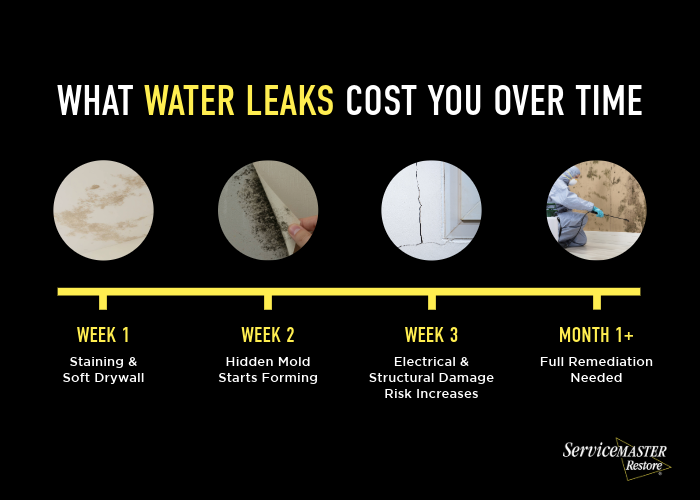
Unlike sudden bursts, slow leaks allow water to seep steadily into surrounding materials. Because the leak isn’t dramatic, homeowners may ignore it or assume it’s harmless. Over time, however, that constant moisture weakens drywall, swells wood, and damages flooring. The longer the leak continues, the further water spreads beyond the original source.
Common Places Small Leaks Start
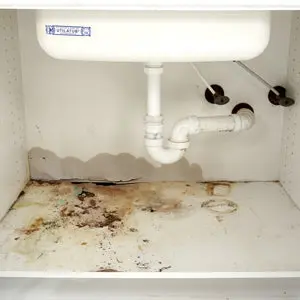
Small leaks often develop in areas that are rarely checked. Supply lines under sinks, refrigerator water lines, washing machine hoses, and toilet connections are common problem areas. Because these leaks are hidden or partially concealed, they can continue unnoticed for long periods.
How Minor Leaks Lead to Major Damage
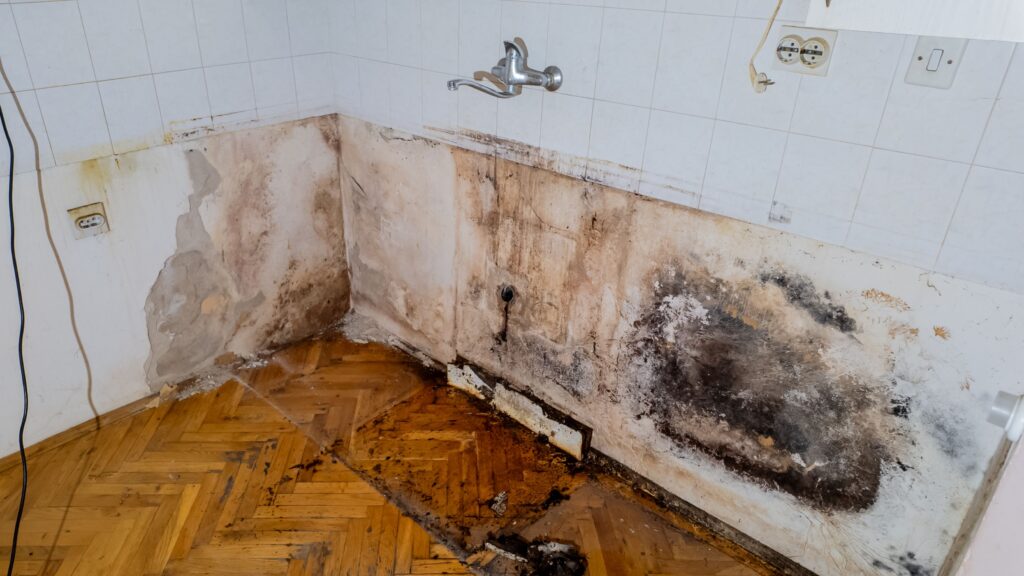
What starts as a drip can quickly affect multiple parts of the home. Moisture spreads into cabinets, baseboards, and subfloors, creating damage that requires removal and replacement. In enclosed spaces, damp conditions also increase the risk of mold growth. By the time visible signs appear, repairs often involve more than just plumbing.
 |
 |
 |
The Cost of Delaying Repairs
Many homeowners delay fixing small leaks to avoid the inconvenience or expense of calling a plumber. In reality, this delay usually leads to higher costs. Replacing cabinets, repairing flooring, and addressing moisture damage can far exceed the price of early intervention. Insurance coverage may also be complicated if a leak is deemed long-term or neglected.
When a Small Leak Becomes Urgent
Even a slow leak should be treated seriously if it shows signs of spreading damage. Warning indicators include staining, musty odors, warped materials, or increased water bills. These signs suggest that moisture is affecting areas beyond the immediate leak.
Why Professional Inspection Matters
Plumbers can identify the source of a leak, assess the surrounding damage, and recommend proper repairs. Addressing both the plumbing issue and any moisture concerns early reduces the risk of long-term problems.
Final Thoughts
Small plumbing leaks rarely stay small. Ignoring them allows damage to build quietly until repairs become unavoidable and expensive. Acting early, even when the problem seems minor, protects your home and saves money over time. When in doubt, having a professional plumber take a look is always a smart investment.