Why Ignoring a Slow Leak Is So Expensive
Slow leaks are some of the most expensive plumbing problems homeowners deal with, precisely because they don’t feel urgent. A drip under a sink, a faint damp smell, or a barely noticeable stain often gets brushed aside. Unfortunately, water doesn’t need to move fast to cause serious damage. Over time, even a small leak can quietly compromise major parts of a home.
Why Slow Leaks Are Often Overlooked
Unlike burst pipes or flooding, slow leaks don’t create immediate chaos. They may only release small amounts of water, but that moisture is constant. Because there’s no dramatic event, homeowners often assume the issue is minor or temporary. In reality, that steady exposure allows water to seep deep into building materials.
How Damage Builds Over Time
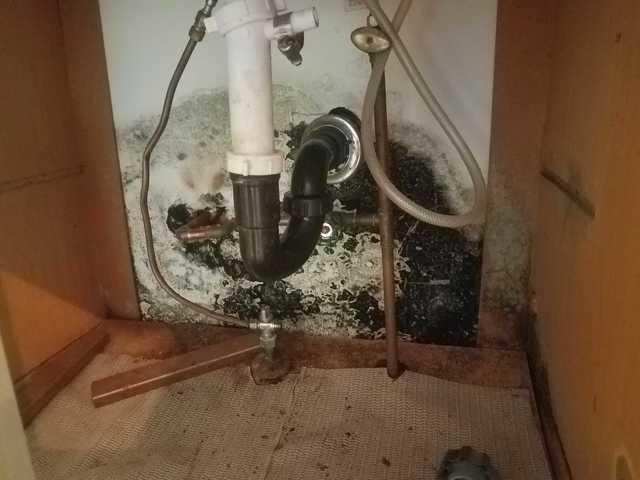
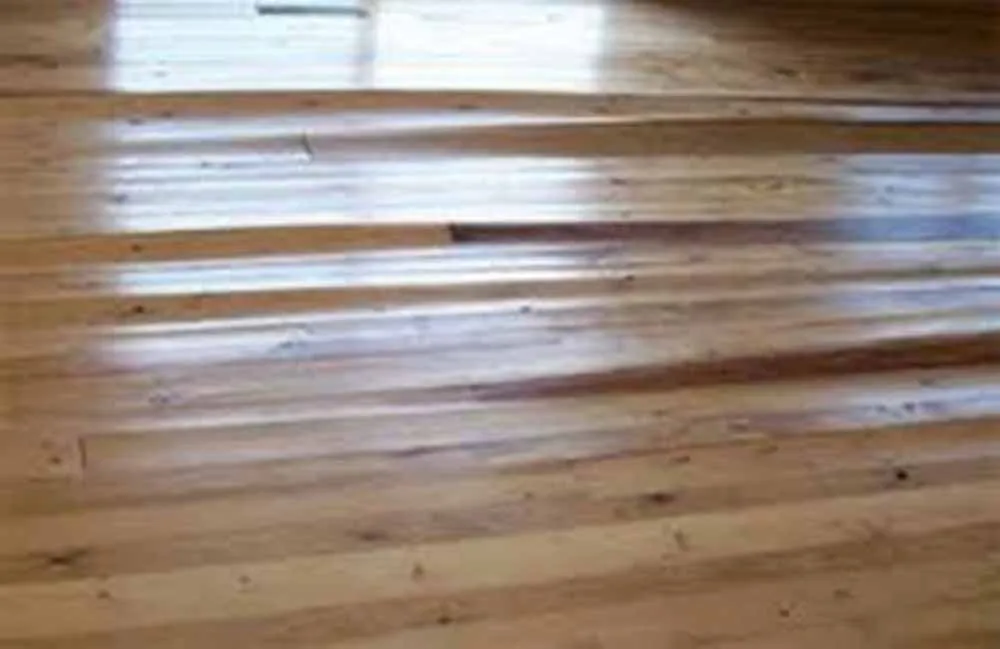
As moisture continues to spread, drywall begins to soften, wood swells and warps, and flooring absorbs water from below. Cabinets and baseboards are especially vulnerable because they trap moisture. Over weeks or months, structural components can weaken, and repairs become far more invasive than a simple plumbing fix.
Common Places Slow Leaks Start
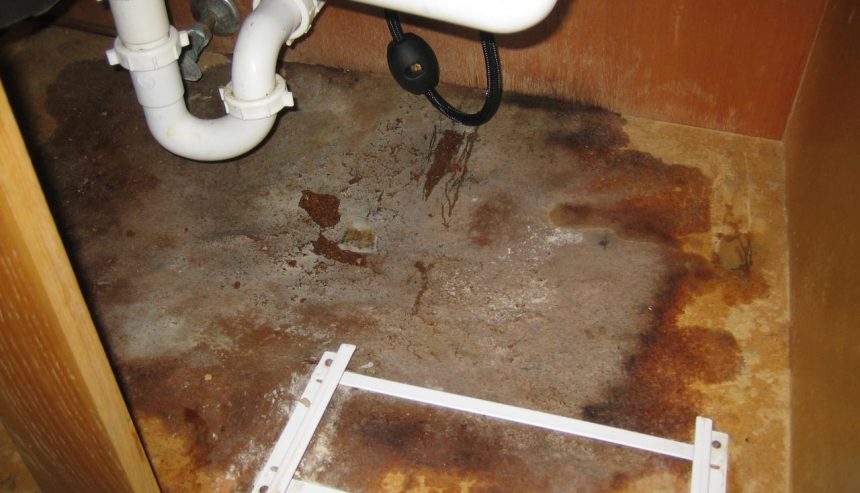
Many slow leaks originate in areas that aren’t checked regularly. Typical problem spots include:
- Supply lines under sinks
- Toilet connections
- Refrigerator water lines
- Washing machine hoses
Because these areas are hidden, leaks often go unnoticed until damage becomes visible elsewhere.
 |
 |
 |
The Financial Impact of Waiting
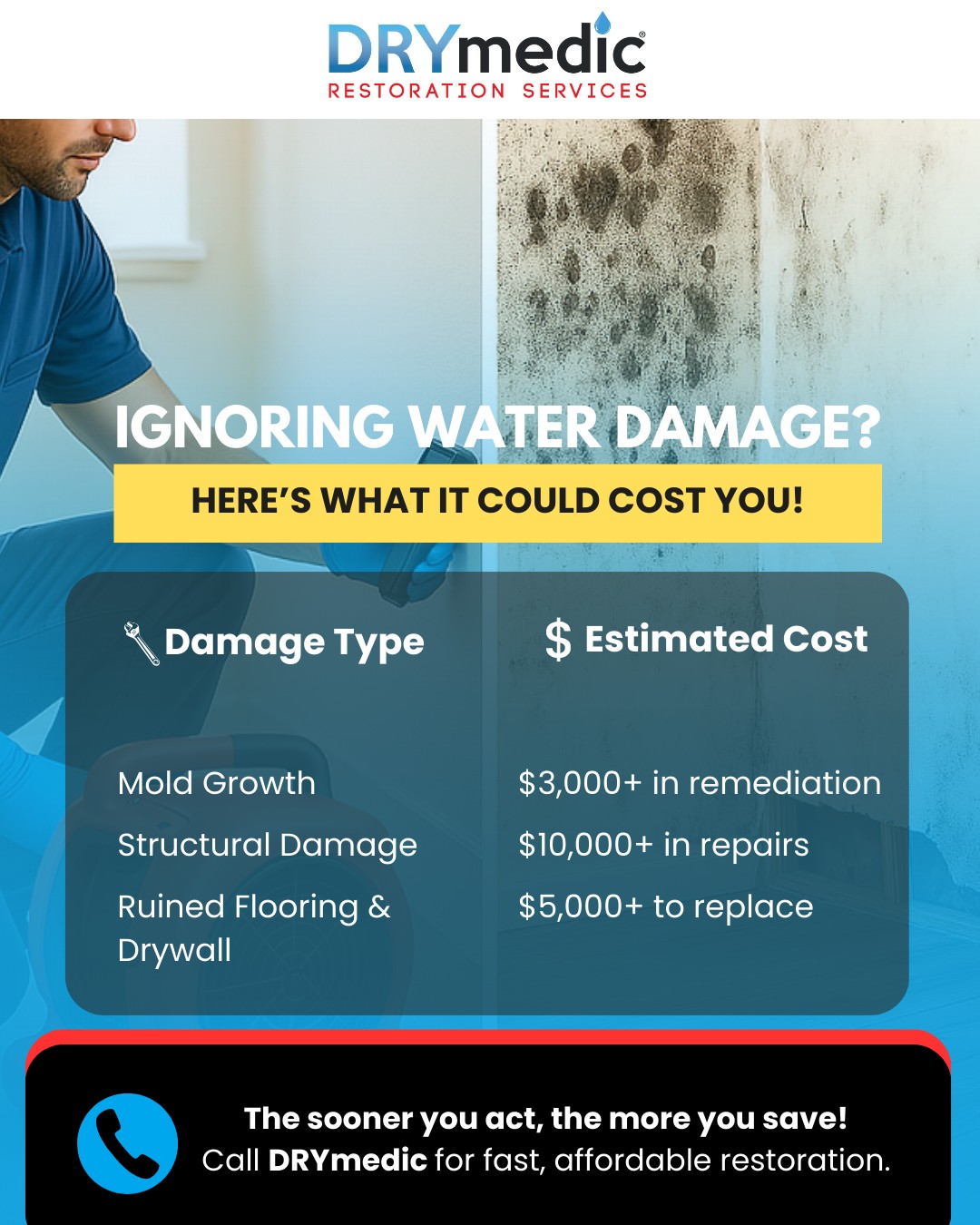
Homeowners sometimes delay repairs to avoid the cost of calling a plumber. Ironically, this delay is what makes slow leaks so expensive. By the time repairs begin, damage may involve cabinetry, flooring, drywall, and even framing. Insurance coverage can also be affected if a leak is classified as long-term or neglected.
When a Slow Leak Becomes Urgent
A slow leak should be treated as urgent if signs of damage appear. Musty odors, staining, warped materials, or rising water bills suggest moisture is spreading. These indicators mean the problem has likely moved beyond a simple repair.
Final Thoughts
Slow leaks don’t stay small. Ignoring them allows damage to build quietly until repairs become unavoidable and costly. Addressing leaks early protects your home and your budget. When something seems off, having a professional plumber evaluate the situation is always the safer choice.