When to Call an Emergency Plumber vs Waiting It Out
Many homeowners struggle with the same question when plumbing problems arise: is this serious enough to call an emergency plumber, or can it wait until normal business hours? The answer isn’t always obvious, but waiting too long can turn a manageable repair into extensive home damage. Understanding when a plumbing issue crosses the line into an emergency can save time, money, and stress.
What Qualifies as a Plumbing Emergency
A plumbing emergency is any situation where water is actively causing damage, creating safety risks, or preventing basic use of the home. These problems don’t improve with time, and delaying action almost always makes them worse. Active water movement, backups, or leaks hidden inside walls are common examples.
Situations That Should Never Wait
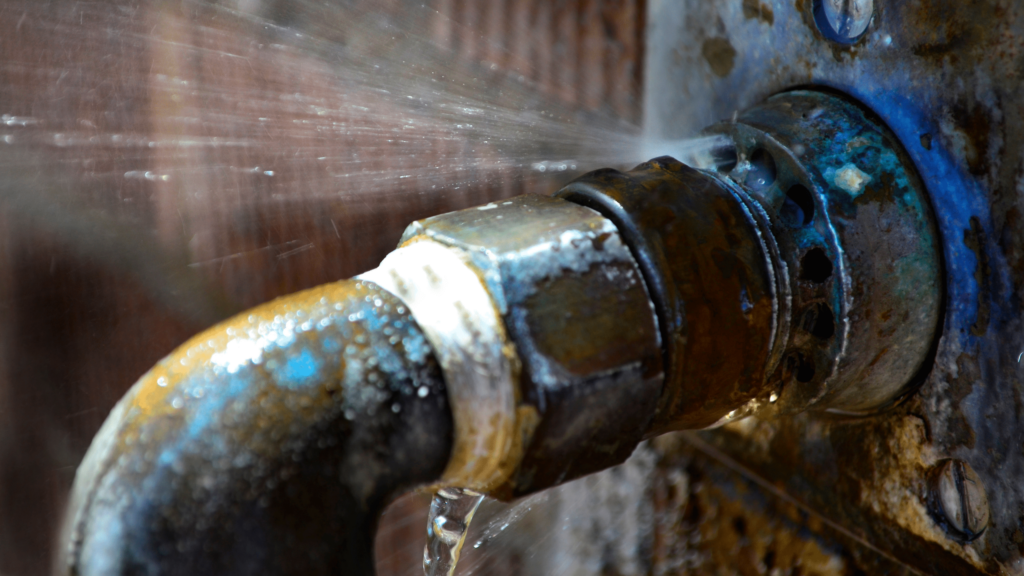
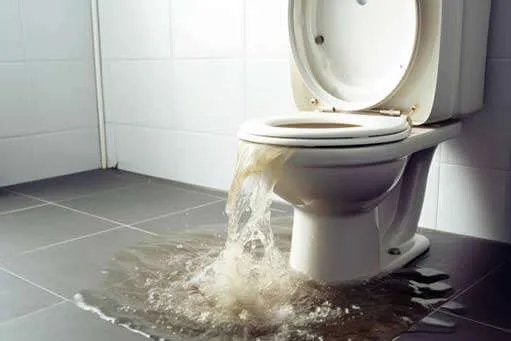
Some plumbing problems require immediate attention because of how quickly they escalate. These include burst pipes, sewer backups, water leaking from ceilings, overflowing toilets, and water heater failures. In these scenarios, water spreads rapidly and can affect multiple rooms in a short period. Even a few hours of delay can significantly increase repair costs.
Problems That May Be Scheduled
Not every plumbing issue requires emergency service. Minor drips, slow drains, or small fixture leaks that are contained and not spreading may allow for scheduled repairs. However, homeowners should remain cautious. A problem that seems minor can change quickly, especially if it involves pressurized water lines.
The Cost of Waiting Too Long
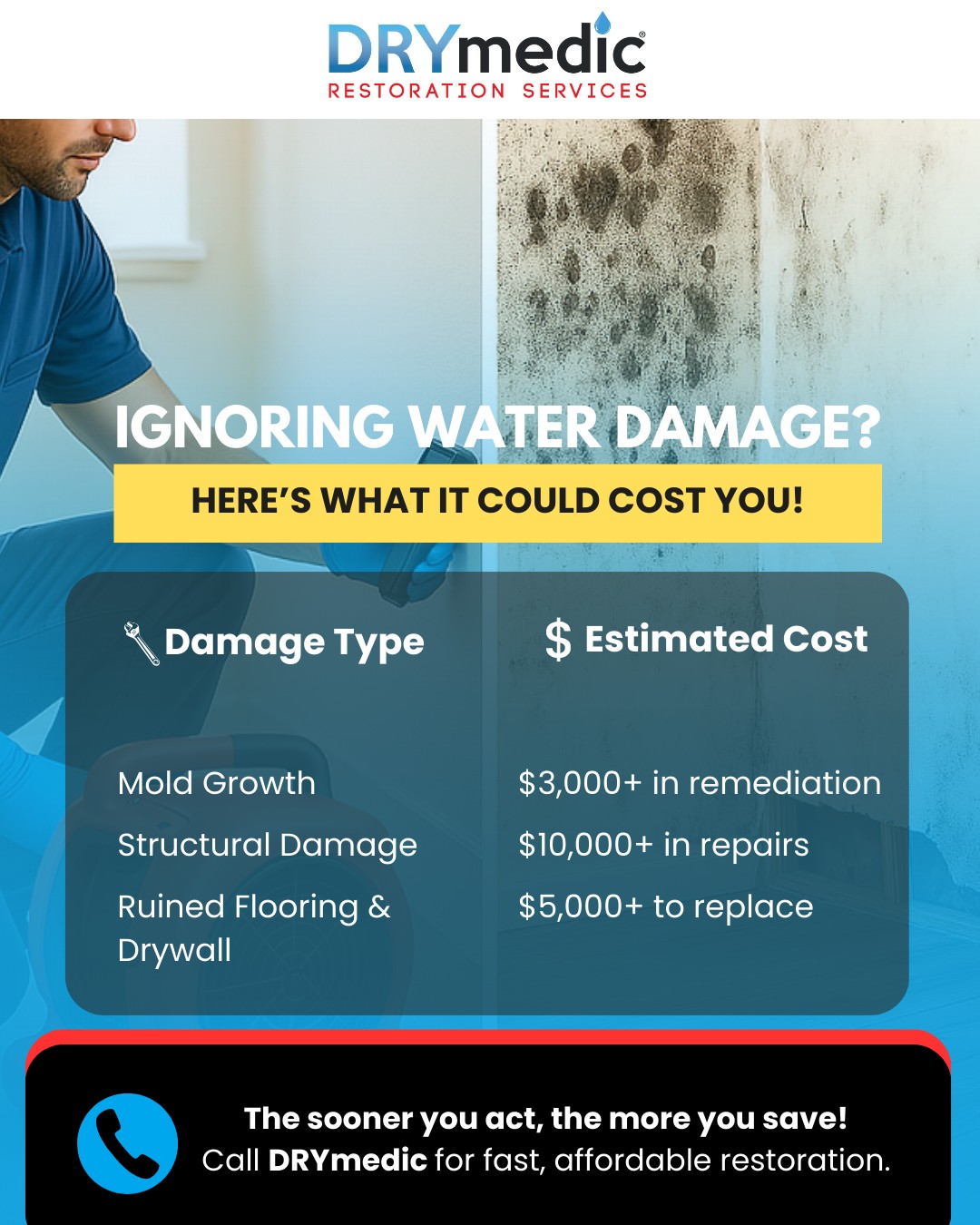
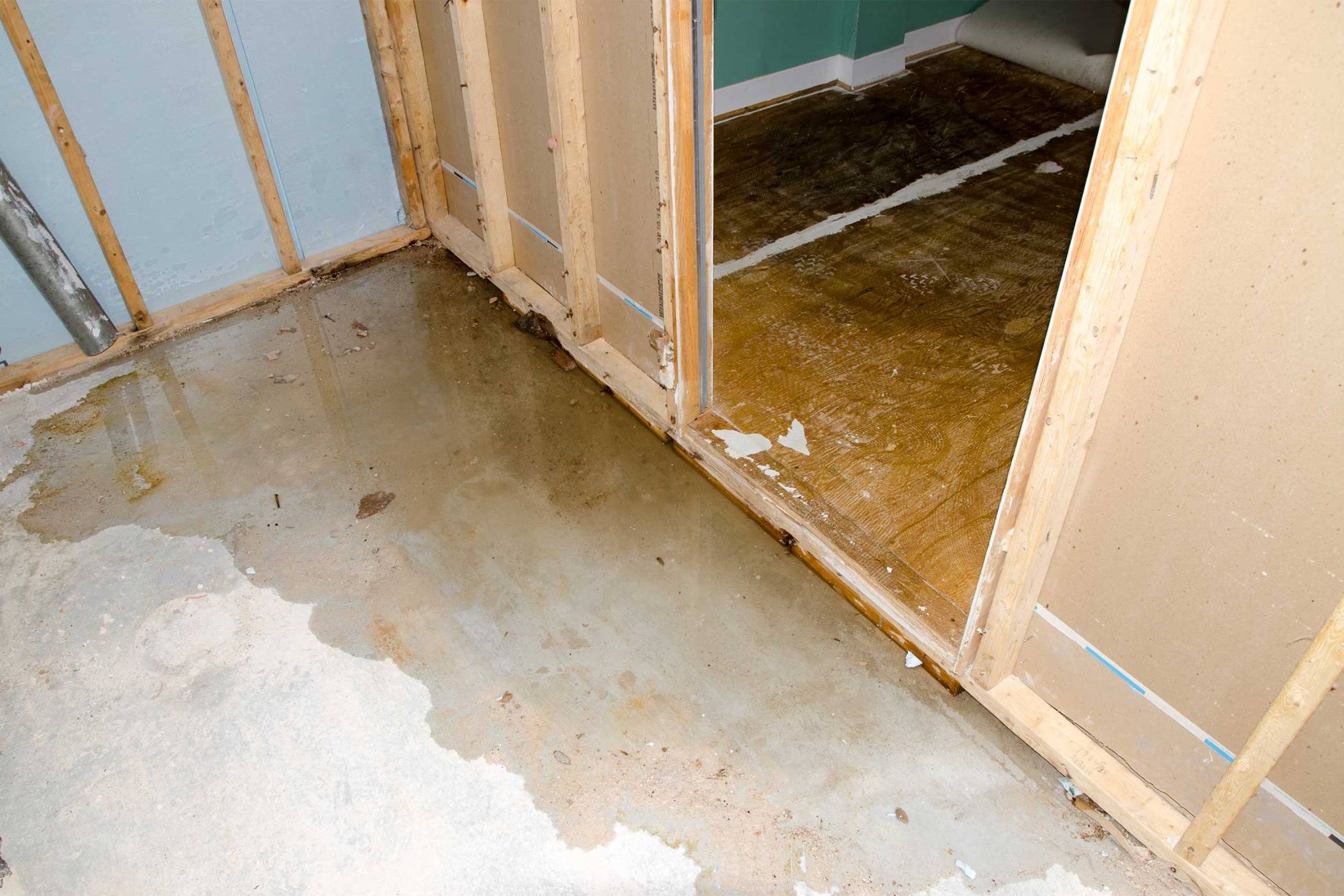
Homeowners often wait to avoid emergency service fees, but this decision frequently backfires. Water damage spreads silently into flooring, walls, and cabinetry. Drywall weakens, wood swells, and mold-friendly conditions can develop. In many cases, the cost of damage far exceeds the cost of emergency plumbing service.
Warning Signs That It’s Time to Call
If you’re unsure whether to wait, certain signs strongly suggest emergency service is needed:
- Active water flow or flooding
- Sewage smells or visible backup
- Water leaking from ceilings or walls
- Sudden loss of water pressure
- Unexplained sounds of running water
These symptoms indicate an ongoing issue that won’t resolve on its own.
 |
 |
Safety and Health Considerations
Beyond property damage, some plumbing emergencies create health and safety risks. Sewer backups can expose occupants to harmful bacteria. Electrical hazards can arise when water reaches outlets or fixtures. Slippery surfaces also increase the risk of injury, especially for children or older adults.
How Emergency Plumbers Help
Emergency plumbers are equipped to respond quickly, identify the source of the problem, and stop active damage. They can also assess whether additional vulnerabilities exist, reducing the likelihood of repeat failures. Fast professional intervention often limits how far damage spreads.
Final Thoughts
Knowing when to call an emergency plumber isn’t about overreacting. It’s about recognizing when water, safety, or sanitation are at risk. Acting early protects your home, reduces repair costs, and restores peace of mind. When in doubt, contacting a qualified plumber for guidance is always safer than waiting and hoping the problem resolves itself.