How To Protect Your Home's Plumbing From Broward County's Frequent Floods
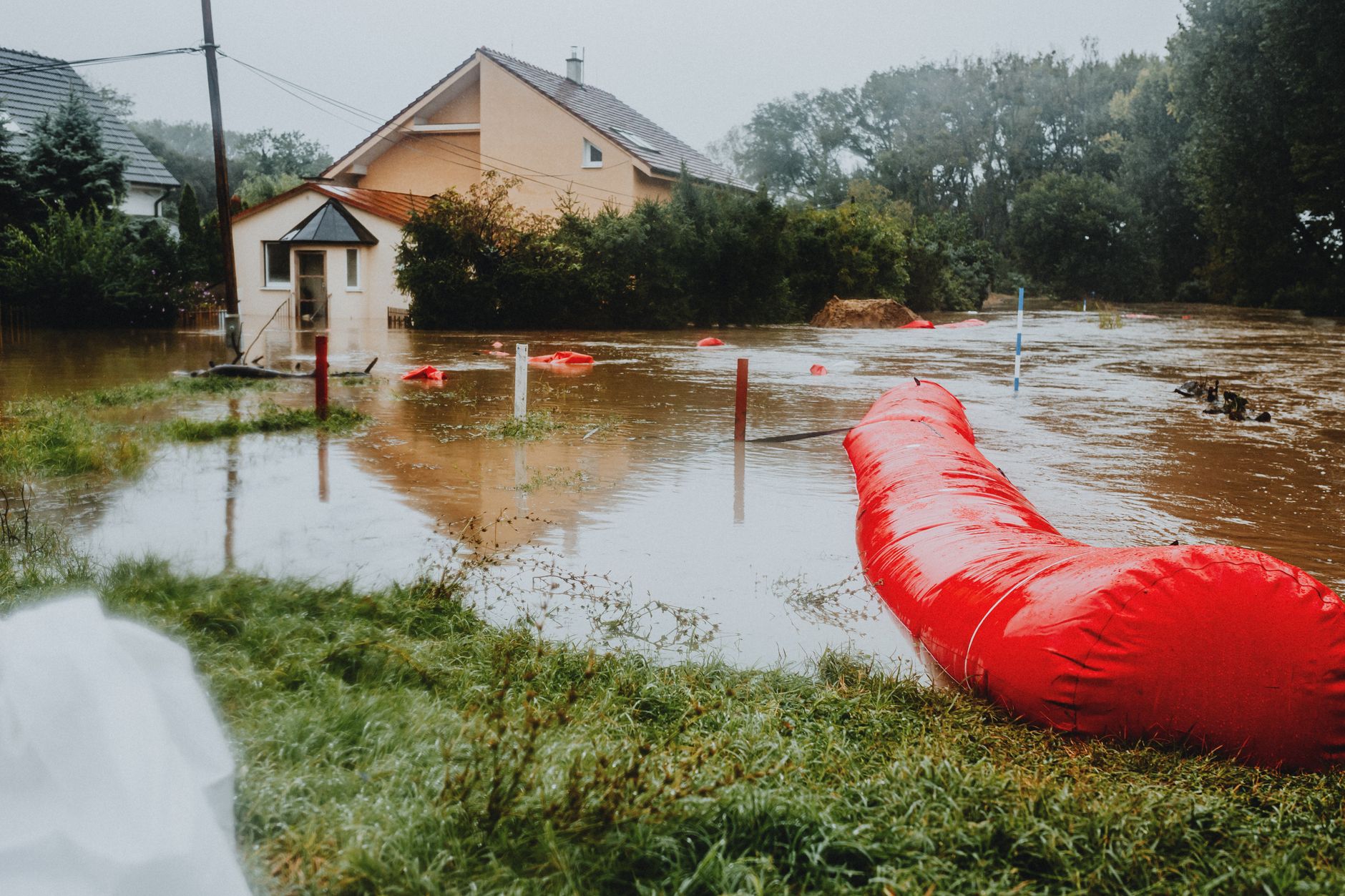
Living in Broward County means enjoying the beautiful weather and lush scenery, but it also comes with its own set of challenges—especially when it comes to protecting your home from flooding. Frequent rains can lead to unexpected plumbing issues that might not only disrupt your daily life but also lead to costly repairs. Understanding how to safeguard your plumbing system can save you a world of trouble.
Imagine coming home after a heavy rainstorm, only to find water pooling in your basement or under your kitchen sink. This nightmare scenario is all too common in areas prone to flooding. Fortunately, with some proactive measures, you can protect your plumbing and minimize the risk of water damage.
Understanding the Risks
Flooding can cause significant damage to your plumbing systems, including:
- Increased Pressure on Pipes: Floodwaters can create excess pressure that might cause pipes to burst.
- Clogged Drains: Debris and sediment can clog your drains, leading to backups.
- Water Contamination: Floodwaters can introduce harmful bacteria and contaminants into your plumbing system.
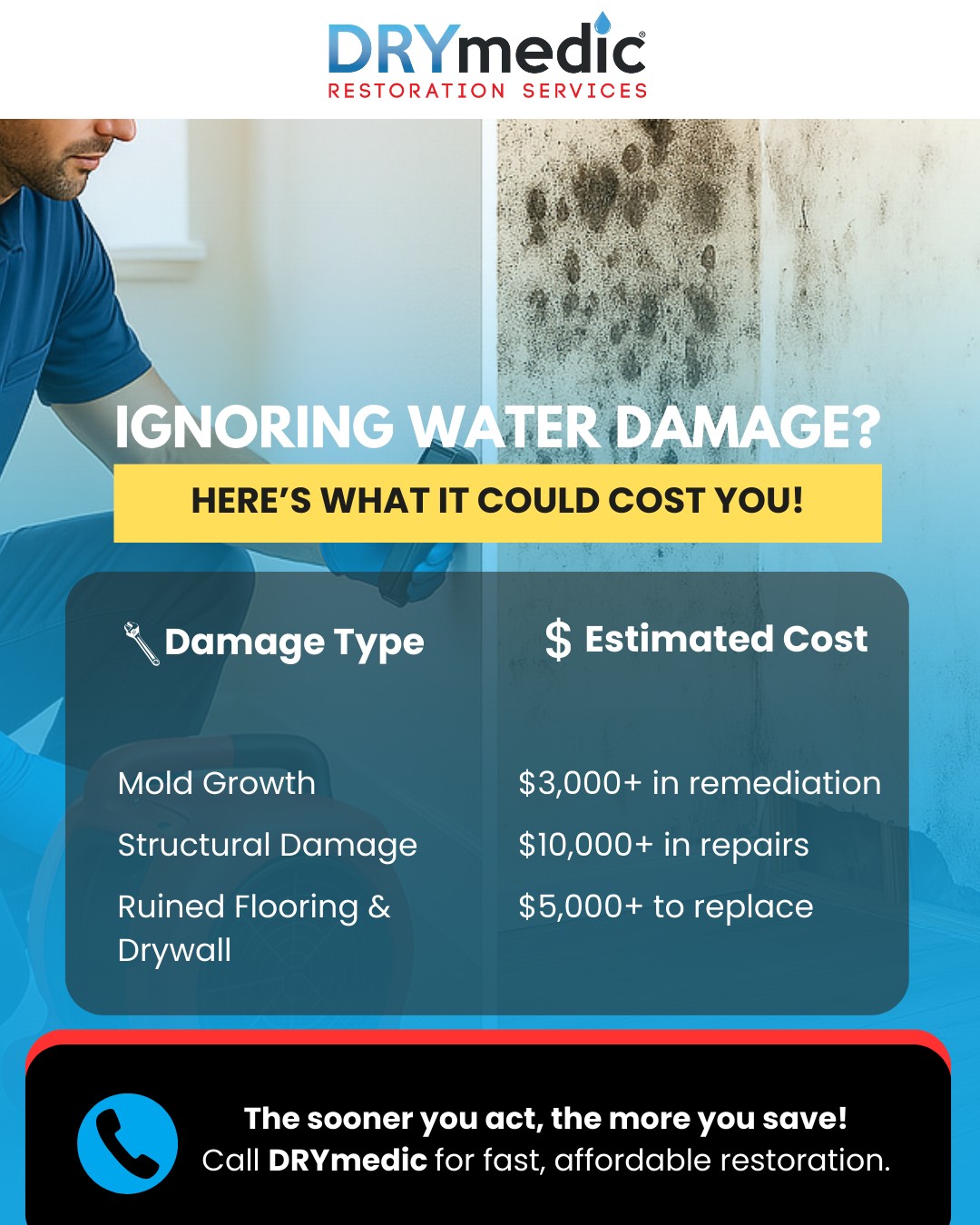
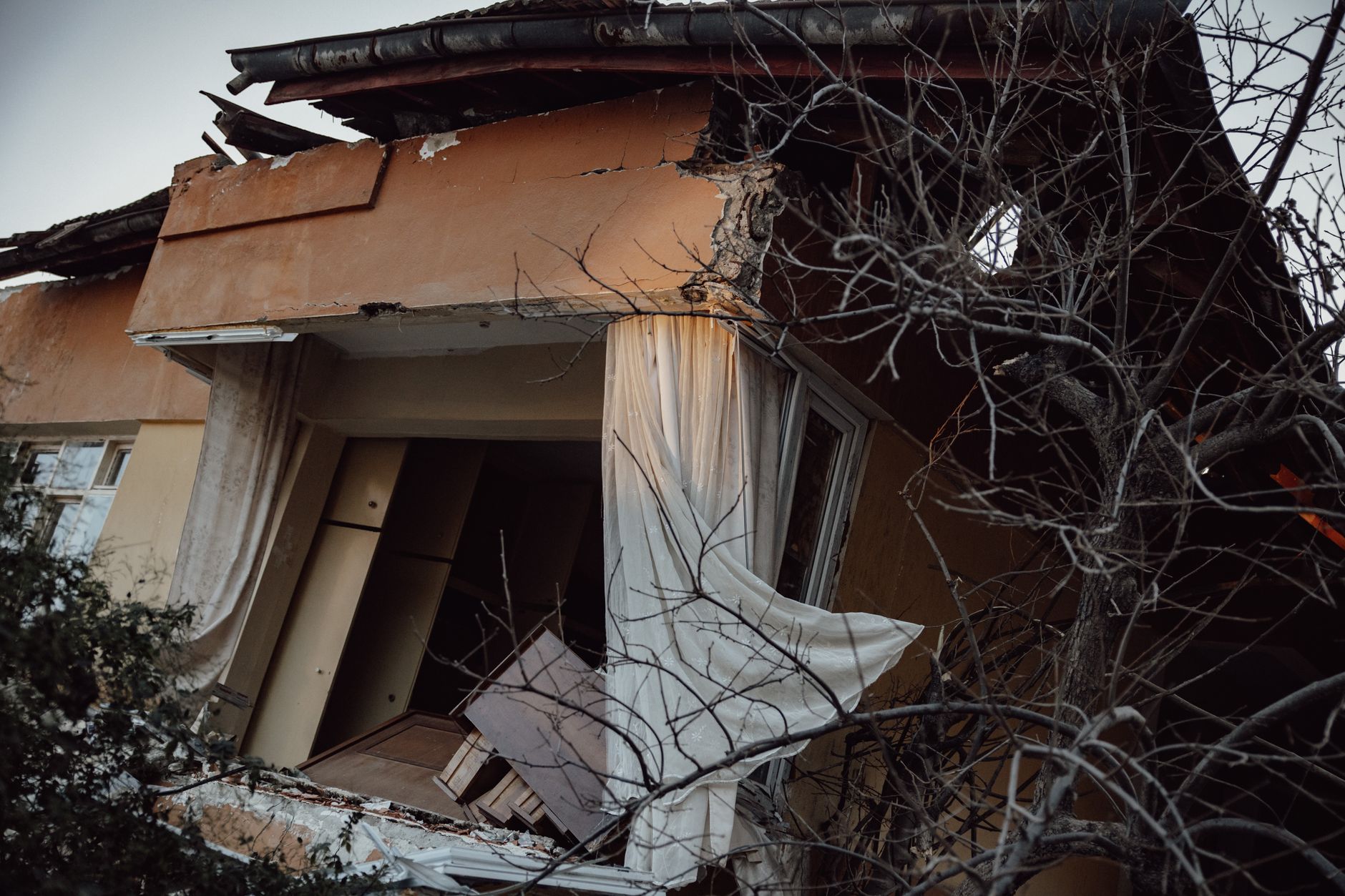
These issues can lead to not only plumbing emergencies but also mold growth and structural damage if not addressed promptly. For homeowners, being aware of these risks is the first step in preventing disasters.
Preventive Measures
Here are some effective strategies to help you protect your home’s plumbing from flooding:
1. Elevate Key Components
Ensure that critical plumbing components, such as water heaters and sump pumps, are elevated above expected flood levels. This prevents damage and maintains functionality even in severe conditions.
2. Install a Backflow Valve
A backflow valve can prevent floodwaters from entering your home through the sewer line. This is particularly important in low-lying areas of Broward County that are prone to flooding.
3. Regular Inspections
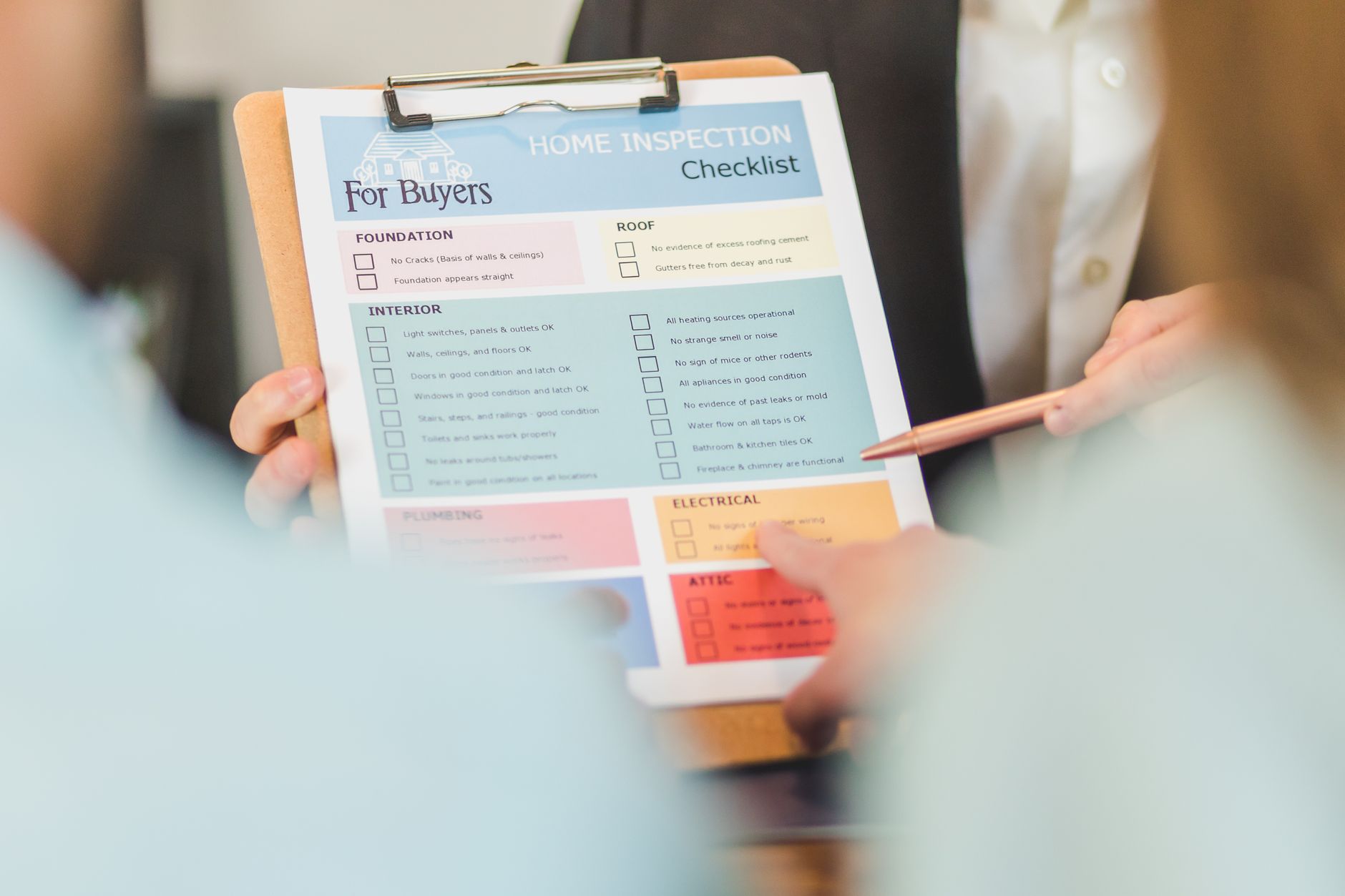
Schedule routine plumbing inspections to identify potential issues before they become major problems. Leak detection services can help uncover hidden leaks and vulnerabilities in your plumbing.
4. Maintain Your Gutters and Downspouts
Clogged gutters can redirect water towards your home’s foundation, increasing the risk of flooding. Regularly clean your gutters and ensure downspouts direct water away from your home.
5. Create a Drainage Plan
Evaluate your yard’s drainage. Landscaping solutions, such as swales or French drains, can help redirect water away from your home.
When to Call a Professional
If you experience flooding or suspect that your plumbing system has been compromised, it’s crucial to call a professional. An expert plumber can assess the situation, provide necessary repairs, and advise on preventive measures. Don’t ignore signs of plumbing issues; acting early can mitigate damage and save you money in the long run. For immediate assistance, consider reaching out to an emergency plumber.
In addition to plumbing maintenance, consider partnering with professionals who specialize in flood recovery. For example, Broward Restoration Pros offers 24-hour water damage restoration services, ensuring that any flooding issues are addressed swiftly and effectively.
Conclusion
Flooding is a reality for many Broward County homeowners, but with the right precautions, you can protect your plumbing and maintain a safe, dry home. From regular inspections to emergency plans, staying proactive is key. As storms become more unpredictable, safeguarding your home’s plumbing is not just wise—it’s essential. For more tips on protecting your home, check out this insightful article from Broward Restoration Pros.