How To Prevent Plumbing Issues From Florida's Frequent Rainfall
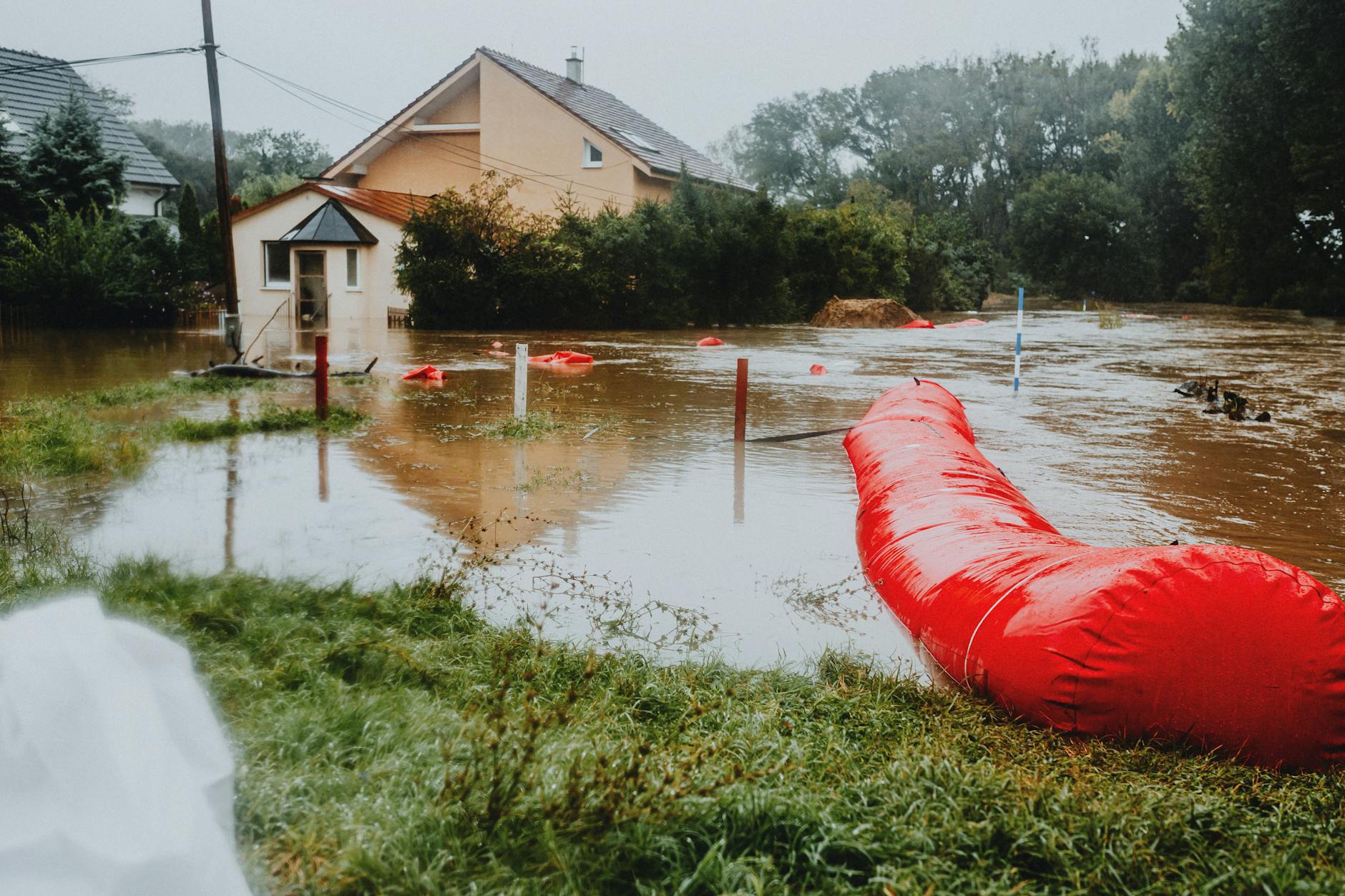
Living in Florida, we're all too familiar with the sudden downpours that can transform a sunny day into a deluge. While these rains are essential for our ecosystem, they can wreak havoc on our plumbing systems if we’re not prepared. Homeowners often find themselves grappling with plumbing issues that arise from excessive moisture and flooding. But with a bit of foresight and proactive measures, you can safeguard your home from these potential disasters.
Understanding the Risks
Heavy rainfall can lead to several plumbing problems, including:
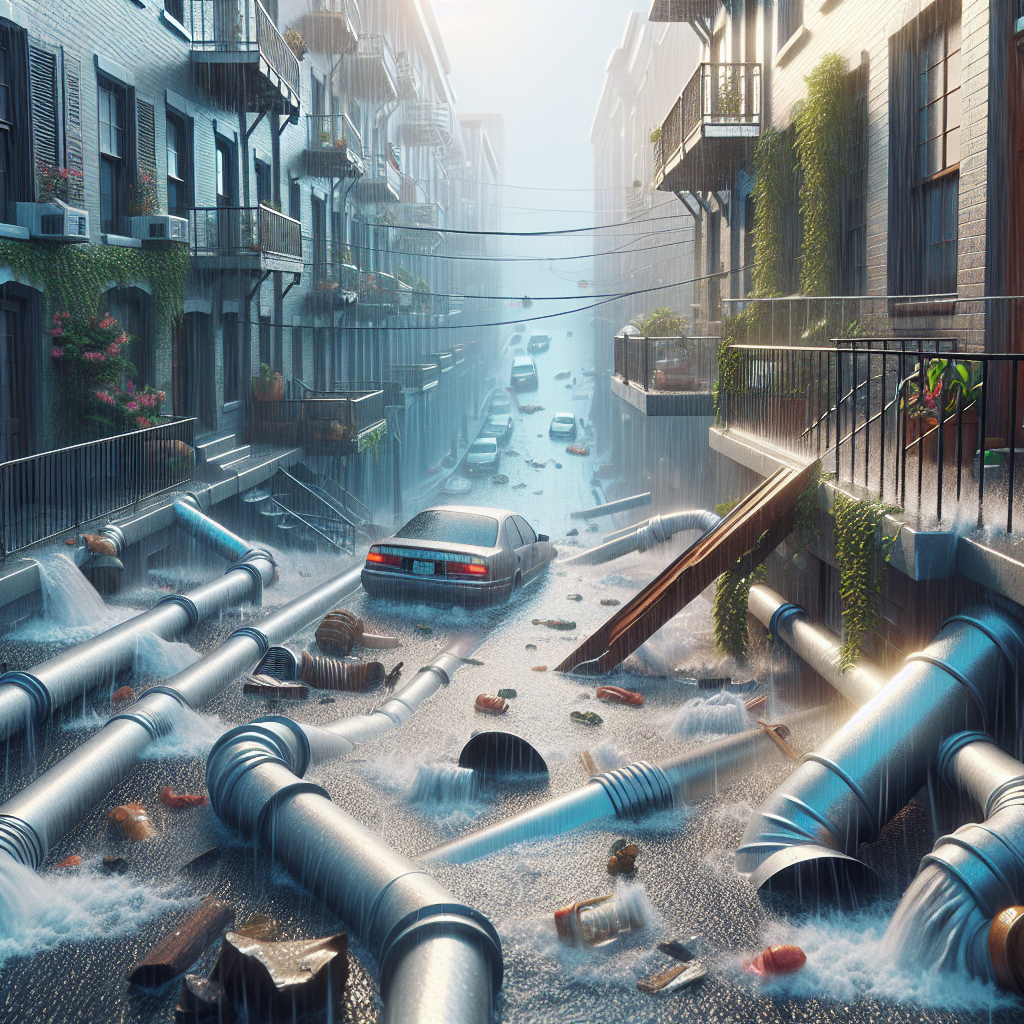
- Clogs in drains and sewer lines
- Leaks in pipes, particularly those that are old or corroded
- Flooding in basements or crawl spaces
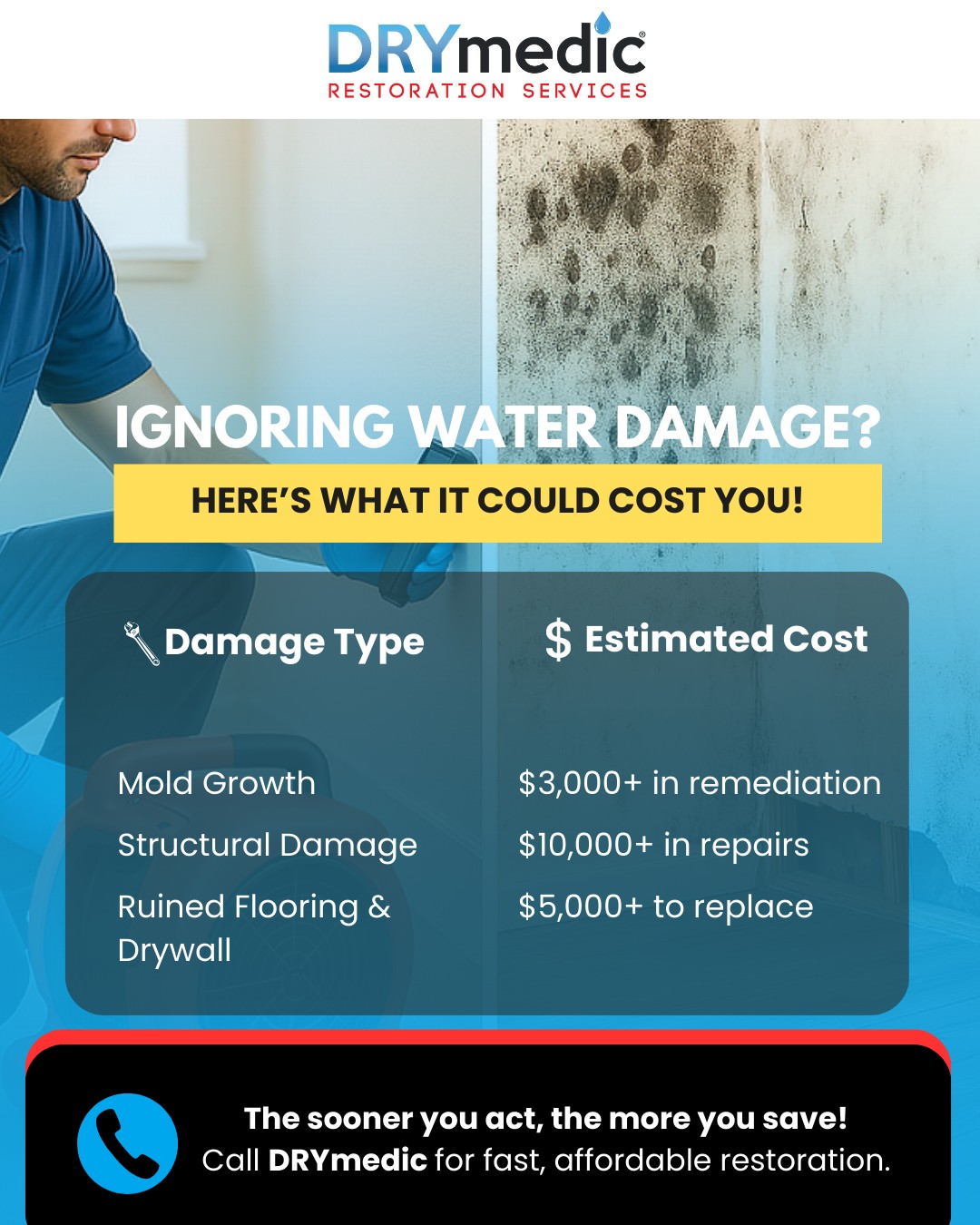
- Mold growth due to prolonged moisture exposure
Each of these issues can escalate quickly, resulting in costly repairs and potential health hazards. Therefore, it's essential to be aware of these risks, especially during the rainy season.
Preventative Measures
Here are some effective strategies to help prevent plumbing issues during Florida's frequent rainfall:
1. Regular Inspections
Conducting regular inspections of your plumbing system can help identify weak points. Look out for:
- Rusty or corroded pipes
- Visible leaks around appliances and fixtures
- Water pooling near the foundation
If you notice any signs of wear, it’s wise to consult a plumbing professional for a thorough inspection.
2. Maintain Your Gutters
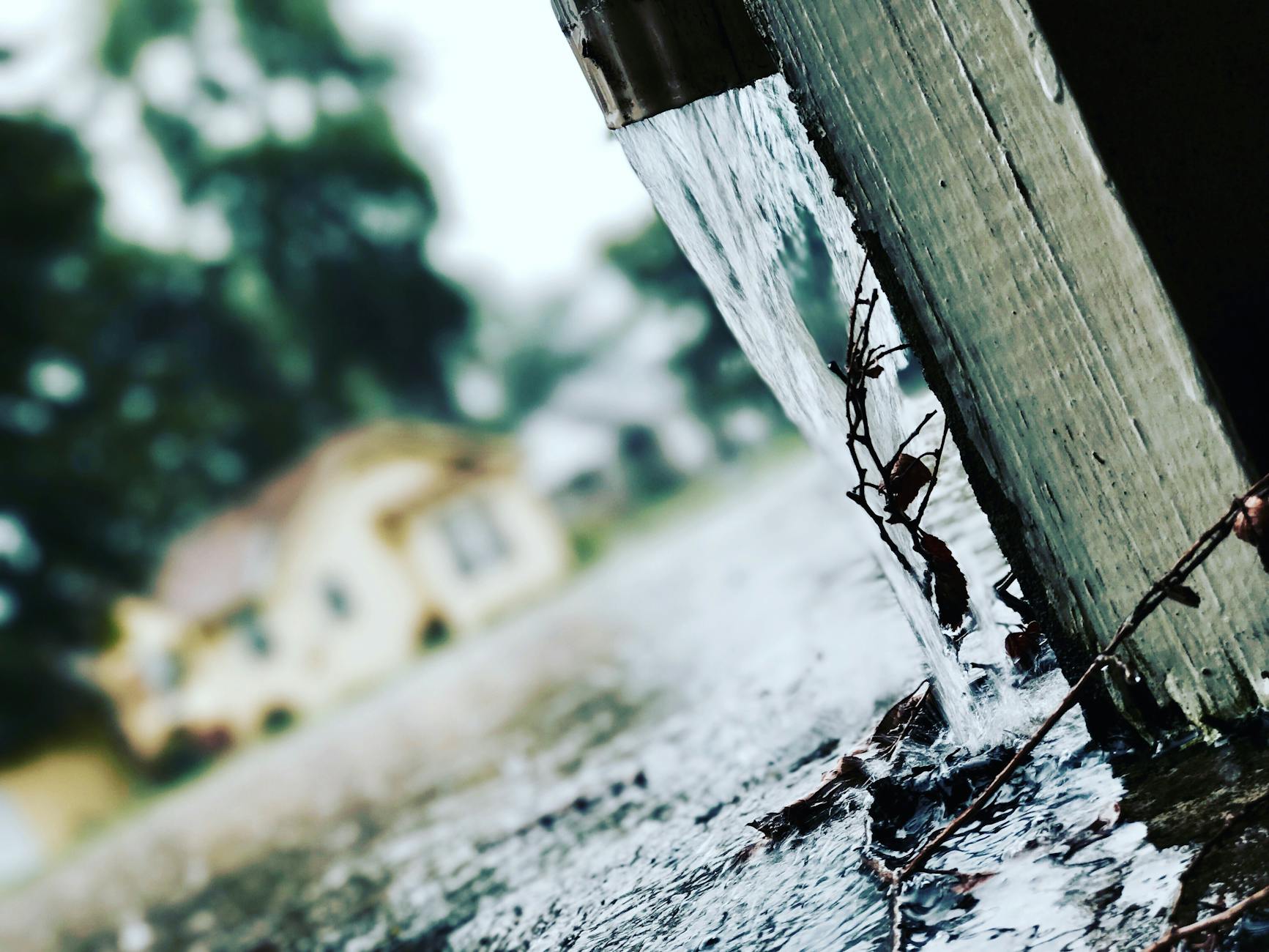
Your gutters play a crucial role in directing rainwater away from your home. Ensure that they are clean and free from debris. Clogged gutters can lead to water overflow, causing potential leaks in your roof and walls.
3. Install a Sump Pump
If your home is prone to flooding, especially in the basement, consider installing a sump pump. This device can help remove excess water and prevent damage to your plumbing system. Regular maintenance of the sump pump is essential to ensure it functions when needed.
4. Check for Proper Grading
The ground around your home should slope away from the foundation. Proper grading helps prevent water from pooling near your home, reducing the risk of leaks and structural damage.
When to Call a Professional
If you encounter persistent plumbing issues, it’s crucial to call a plumber immediately. Ignoring small leaks can lead to significant problems over time, including mold growth and extensive water damage. A professional can help assess the situation and provide necessary repairs.
Conclusion
Florida’s rainy season doesn’t have to spell disaster for your plumbing. By taking proactive measures and staying vigilant, you can significantly reduce the risk of plumbing issues. Regular inspections, maintaining your gutters, and ensuring proper drainage are all key steps to safeguard your home. For more information on handling water damage, visit Broward Restoration Pros. Additionally, if you’d like to learn more about dealing with water damage from natural disasters, check out this helpful article: How To Handle Water Damage From Natural Disasters In Broward.