How To Prepare Your Plumbing For Broward County's Humid Weather
Broward County's humid weather can be a double-edged sword. While the lush greenery and vibrant flora are a delight, the humidity can wreak havoc on your plumbing system. Homeowners often overlook this crucial aspect, leading to costly repairs down the line. Understanding how to prepare your plumbing for the humidity can save you significant headaches and expenses.
Humidity affects your plumbing in various ways, from increased moisture levels that can lead to mold growth to the risk of pipe corrosion. The last thing you want is a plumbing emergency during a steamy summer afternoon. Here’s how you can effectively prepare your plumbing system for the humid months ahead.
Assess Your Current Plumbing System
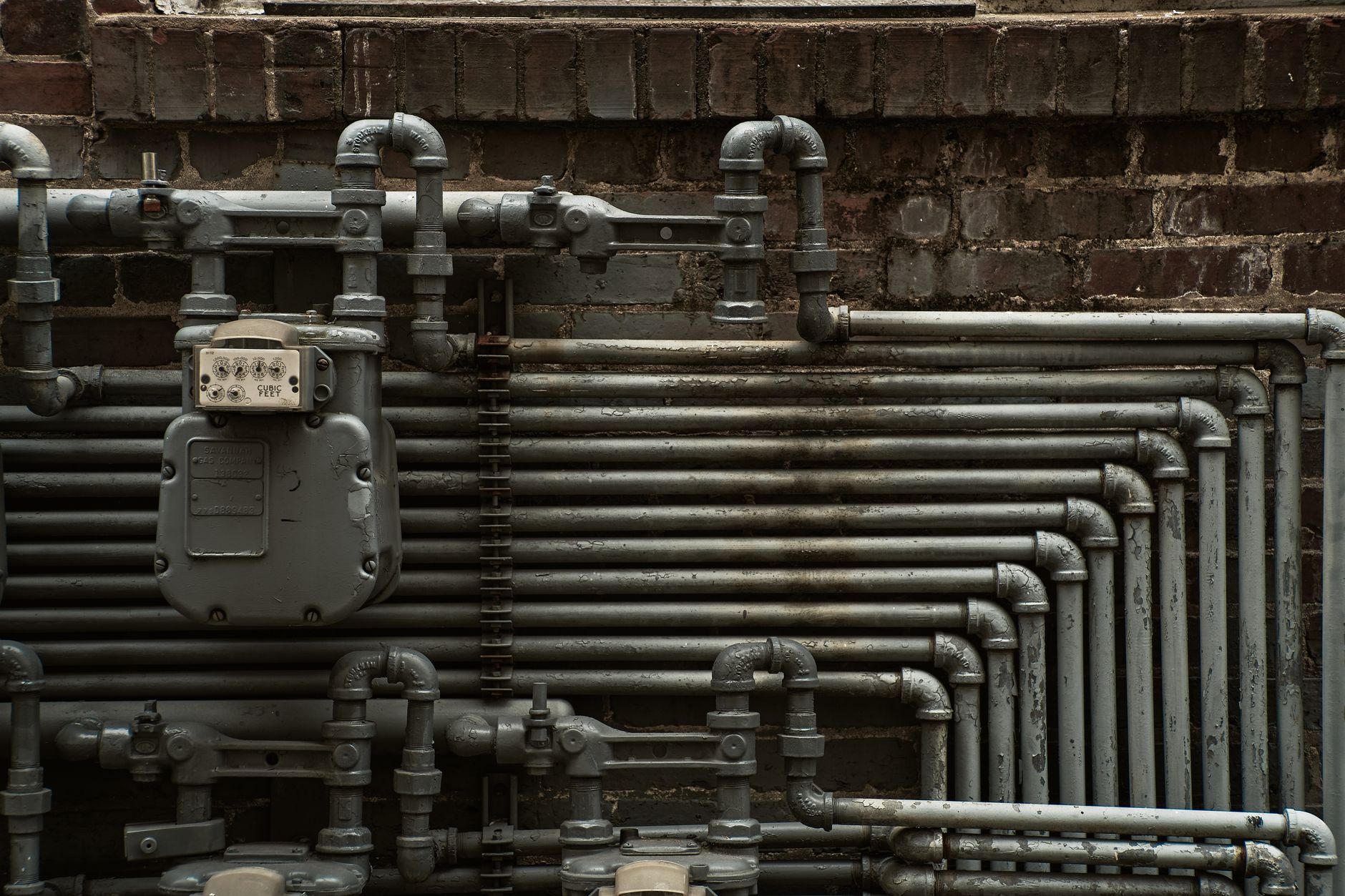
Before diving into preventative measures, take the time to assess your current plumbing system. Look for any signs of wear and tear, such as:
- Corroded pipes
- Rusty fixtures
- Leaky faucets or toilets
If you notice any of these issues, it might be time to consider a plumbing inspection. A plumbing inspection can uncover underlying problems that may become exacerbated by humidity.
Maintain Proper Drainage
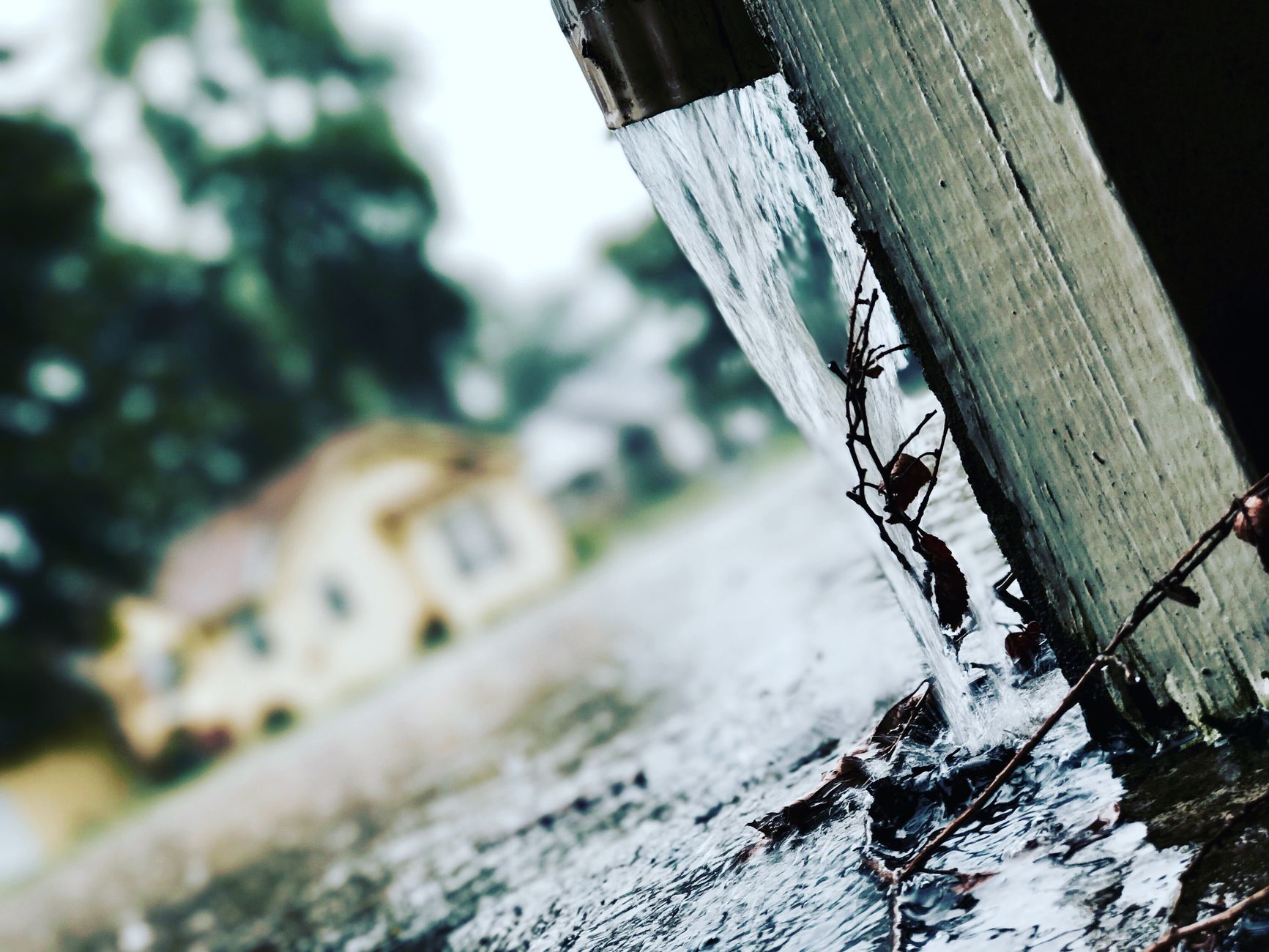
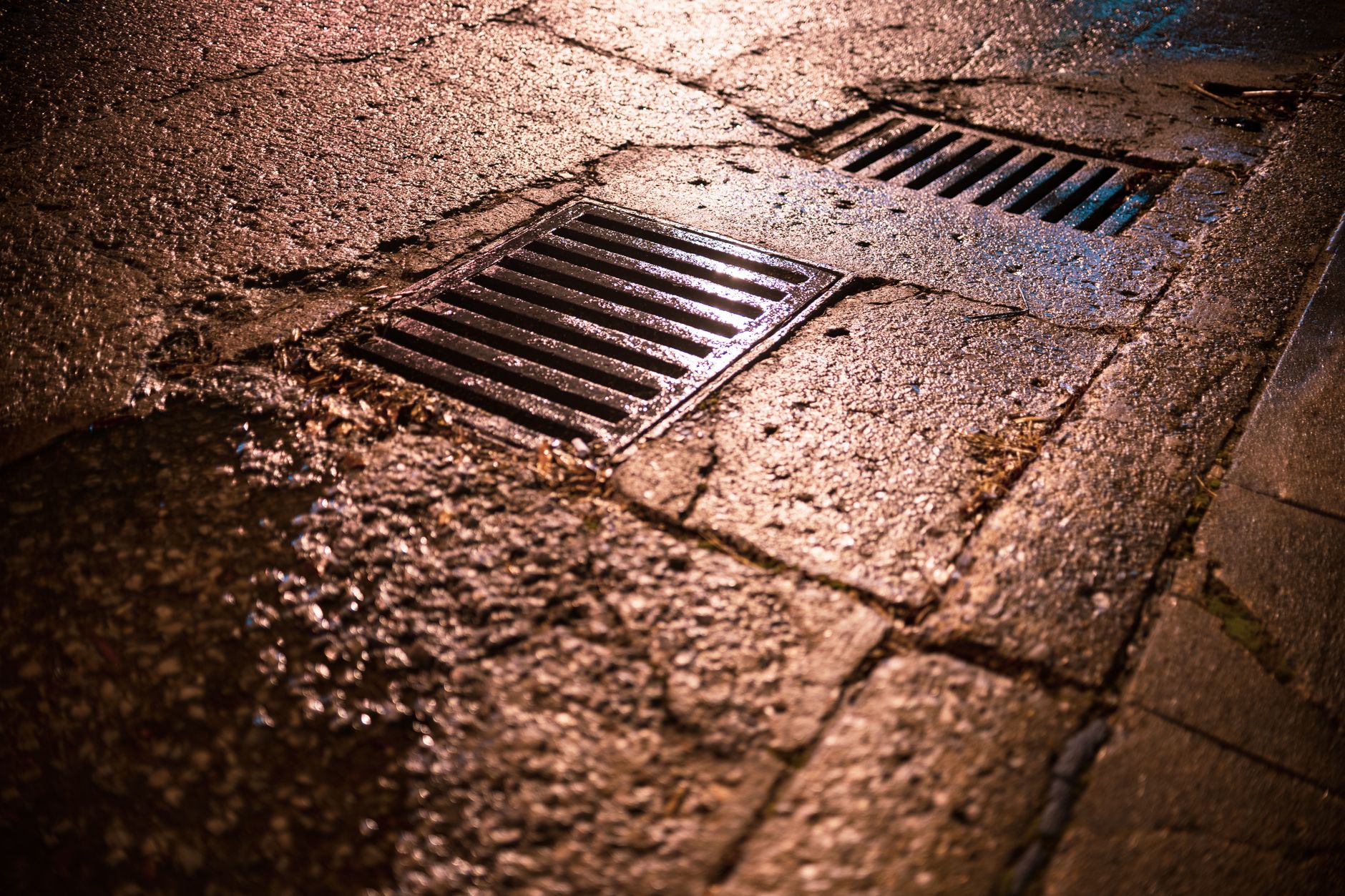
Effective drainage is vital in preventing water accumulation around your home, which can lead to mold and mildew. Ensure that your gutters and downspouts are clear of debris and directed away from the foundation of your home. This will help minimize moisture saturation in the soil surrounding your plumbing.
Additionally, check for any drainage issues in your yard. If you notice standing water or slow drainage in certain areas, consider consulting with a professional to address these problems before they escalate.
Insulate Your Pipes
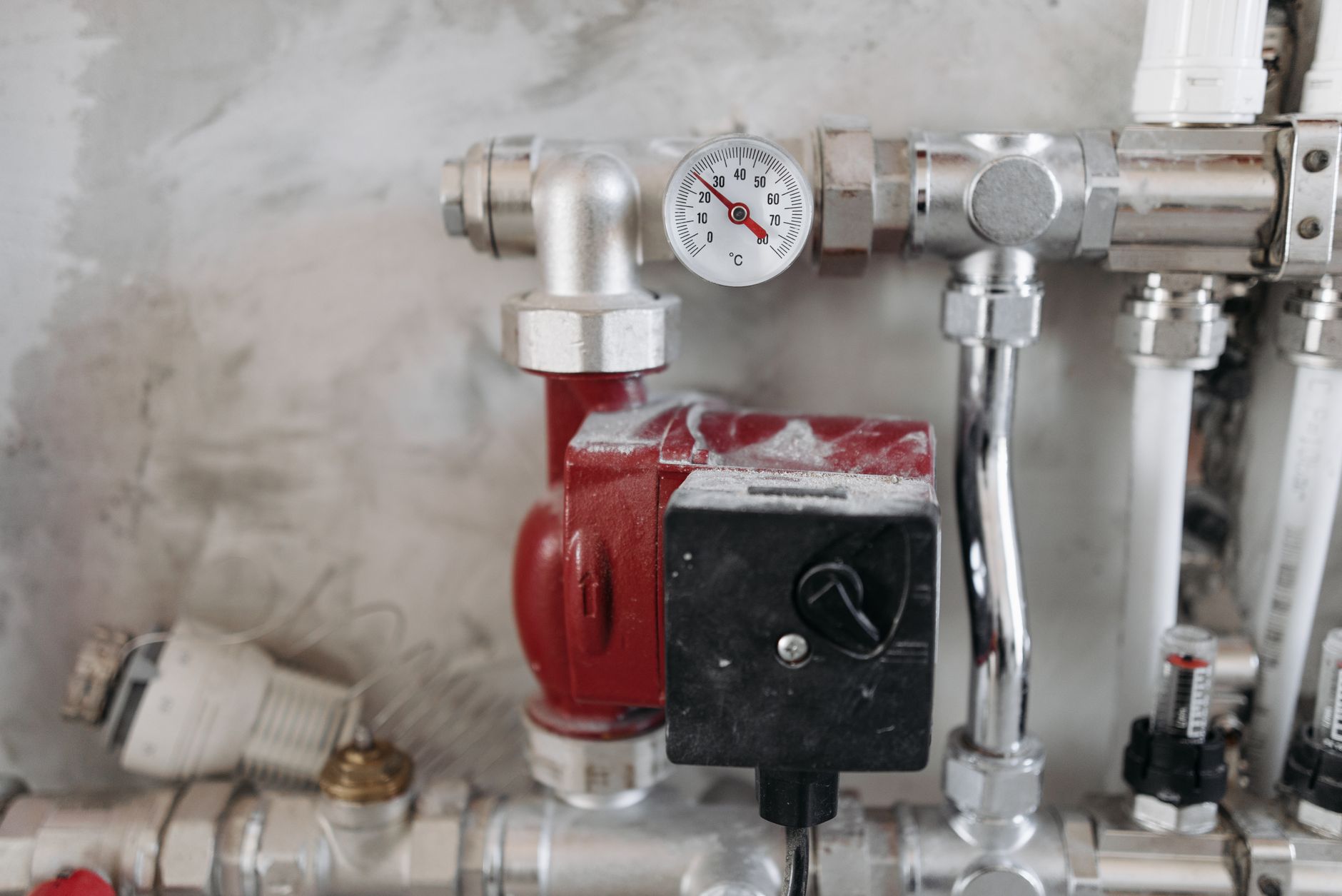
Insulating your pipes is a proactive step you can take to combat the effects of humidity. Insulation can help prevent condensation on your pipes, which can lead to water damage and mold growth. Focus on areas where pipes are exposed, such as in basements or crawlspaces. Foam insulation sleeves are an effective and easy-to-apply solution.
Monitor Humidity Levels Indoors
Using a hygrometer can help you keep tabs on indoor humidity levels. Ideally, you want to maintain indoor humidity between 30-50%. If levels exceed this, consider using dehumidifiers in areas prone to moisture buildup, like bathrooms and basements. This not only helps your plumbing but also improves your overall indoor air quality.
Know When to Call a Professional
Even with preventative measures in place, issues can still arise. If you notice persistent leaks, unusual water stains on walls or ceilings, or hear strange noises from your plumbing, it’s time to call a plumber. A professional can quickly identify and resolve issues before they become major problems.
Additional Resources
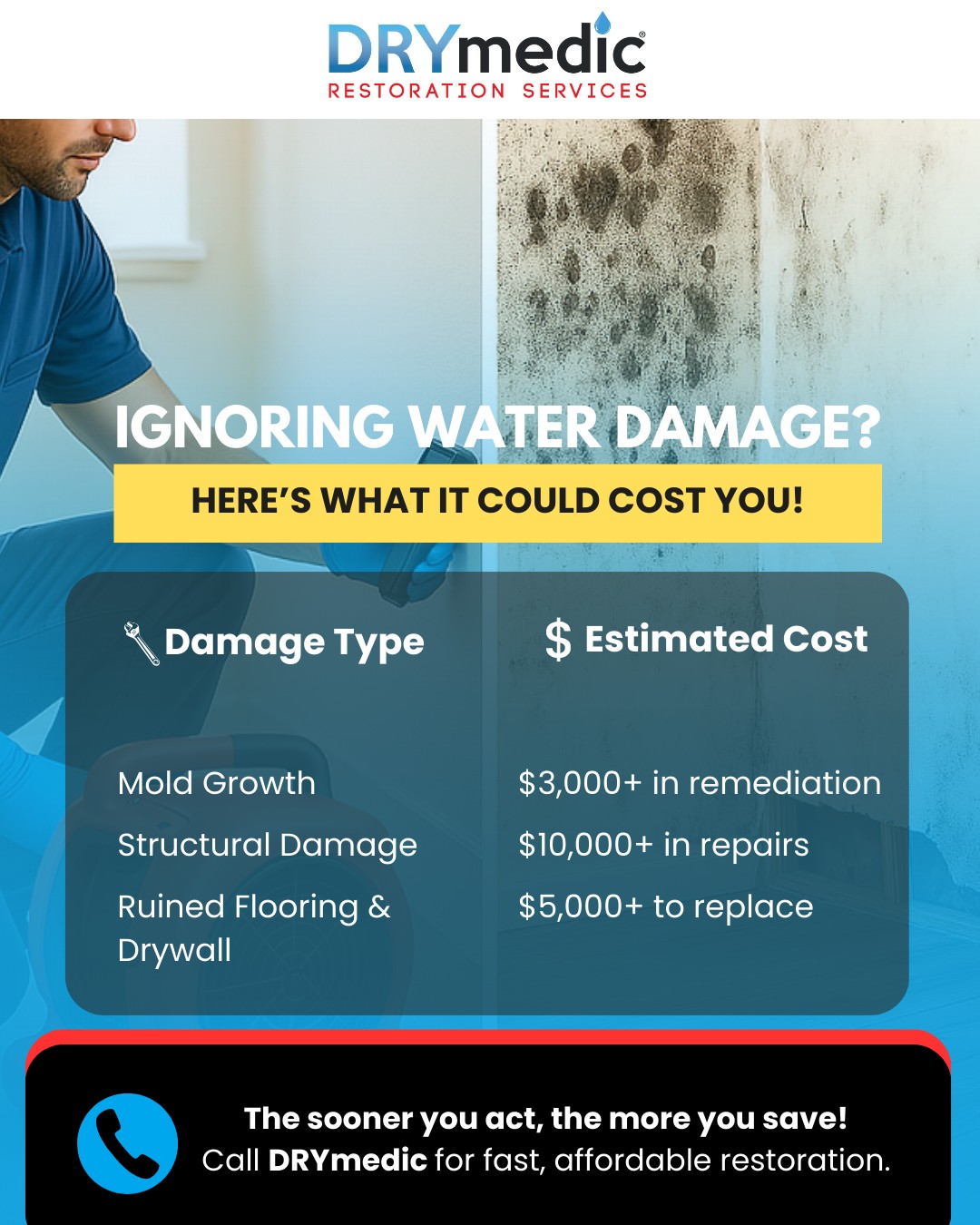
For more specialized support, you might consider reaching out to local experts. For instance, Broward Restoration Pros offers 24-hour water damage restoration services in Coconut Creek and can assist you with any water-related issues that arise during the humid months.
Furthermore, understanding the risks of mold growth due to humidity can be essential. Check out this informative article on how to prepare your home for unexpected mold growth after flooding: How To Prepare Your Broward Home For Unexpected Mold Growth After Flooding.
In conclusion, preparing your plumbing for Broward County's humid weather is a crucial step in maintaining a healthy home. By taking proactive measures and knowing when to seek professional help, you can mitigate the risks associated with humidity and keep your plumbing functioning smoothly.