How To Optimize Rainwater Harvesting Systems For Broward County Homes
As Broward County homeowners increasingly seek sustainable living solutions, rainwater harvesting systems have emerged as a practical and eco-friendly choice. These systems not only reduce reliance on municipal water sources but also help manage stormwater runoff, which is crucial in our region known for its heavy rainfall and occasional flooding.
However, optimizing a rainwater harvesting system requires understanding both the local climate and the specific needs of your home. Below, we’ll delve into best practices for implementing and maintaining an effective rainwater harvesting system that caters to Broward County's unique environment.
Understanding Local Climate Considerations
Broward County experiences a subtropical climate, characterized by a distinct wet season from May to October. During this period, rainfall can be substantial, providing an excellent opportunity to collect rainwater. However, the dry season can lead to water scarcity, making it essential to store enough rainwater to last through the drier months.
To maximize efficiency, consider the following:

- Assess the average rainfall in your area to determine the ideal storage capacity for your system.
- Incorporate overflow systems to manage excess water during heavy storms.
- Use high-quality filtration systems to ensure collected water is clean and safe for use.
Choosing the Right System Components
The components of your rainwater harvesting system play a critical role in its effectiveness. Here are key elements to consider:
1. Catchment Area
Your roof is the primary catchment area for rainwater. Ensure that the materials used are non-toxic and safe. Metal roofs, for instance, are excellent for collecting rainwater, while certain shingles may leach harmful substances.
2. Gutters and Downspouts
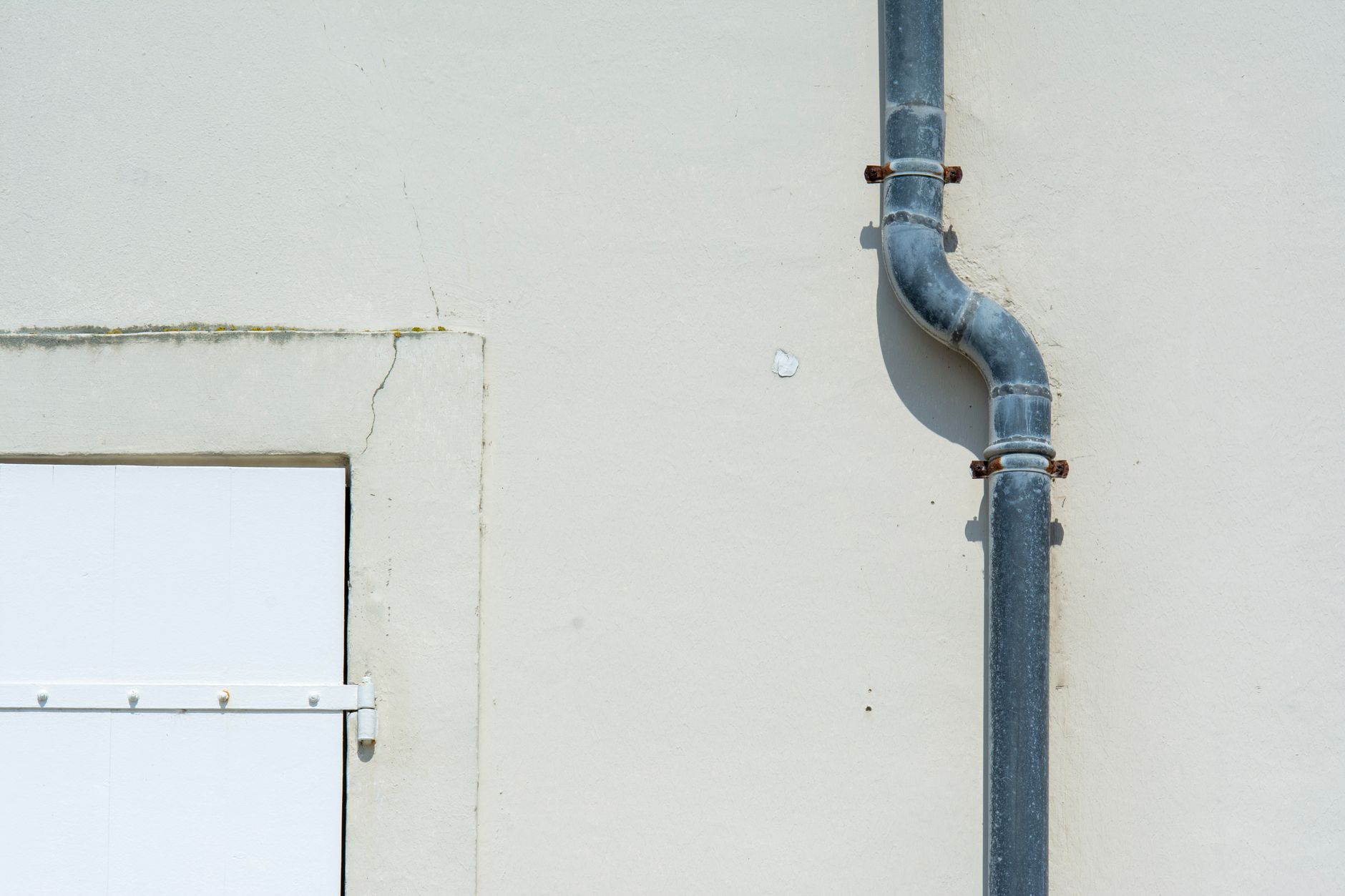
Quality gutters and downspouts are crucial for directing rainwater from your roof to your storage tank. Regular maintenance, including cleaning debris, is essential to prevent clogs and ensure optimal flow.
3. Storage Tanks
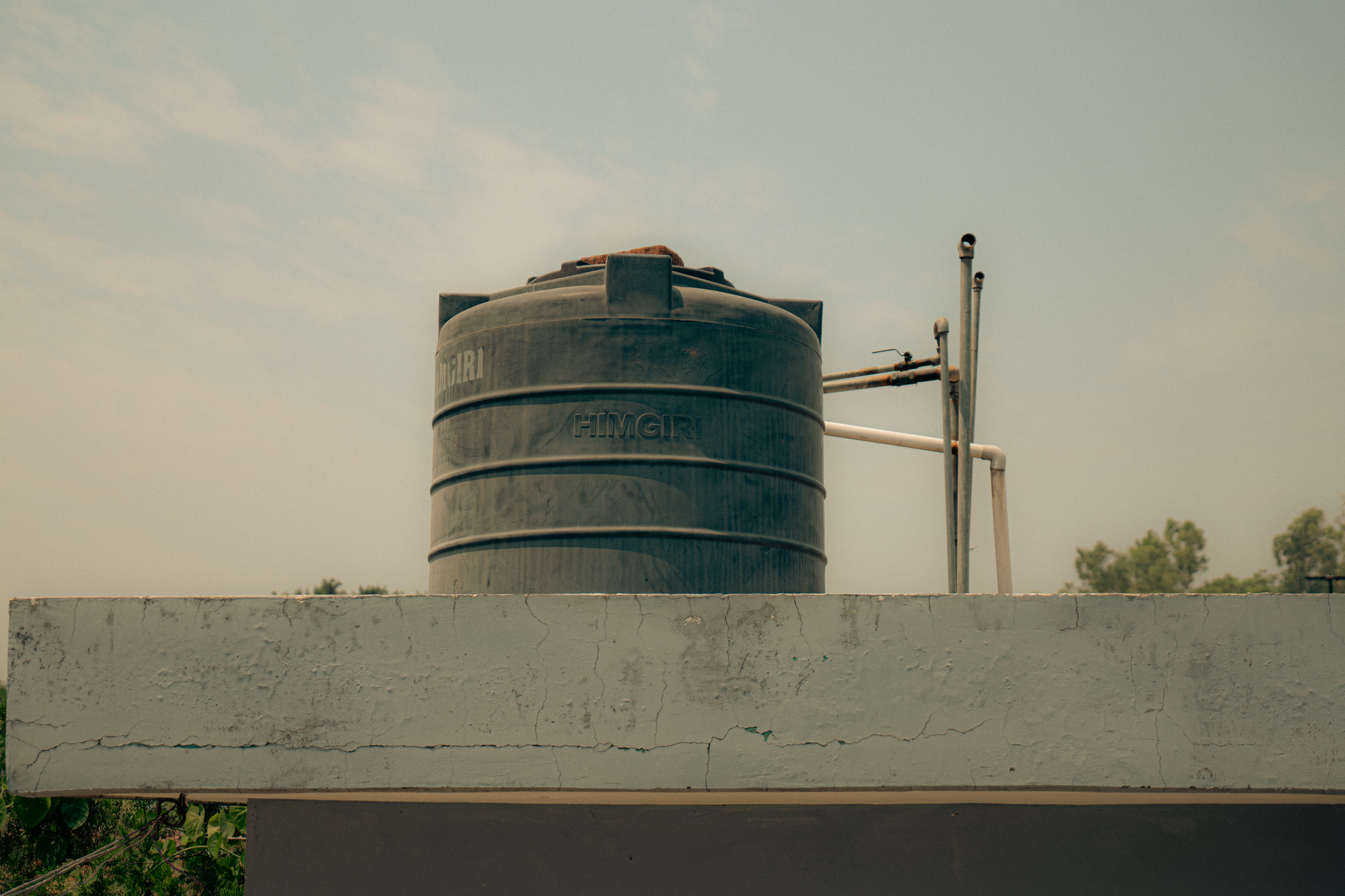
Choose storage tanks appropriate for your household size and rainwater collection. Options include above-ground and underground tanks, with the latter being less susceptible to algae growth and temperature fluctuations. Ensure your tank is properly sealed to prevent contamination and mosquito breeding.
Maintenance Tips for Your System
To keep your rainwater harvesting system functioning optimally, regular maintenance is necessary. Here are some essential maintenance tips:
- Inspect and clean your gutters and downspouts at least twice a year.
- Check your filtration system regularly to ensure it is clear of debris.
- Monitor your storage tank for signs of leaks or contamination.
- Test the quality of your collected water periodically, especially if using it for irrigation or household purposes.
If you notice any leaks or damage in your water system, it may be time to call a plumber for professional assistance.
When to Consider Professional Help
While many homeowners opt for DIY solutions, some aspects of installing and maintaining a rainwater harvesting system may require professional expertise. If you're unsure about the installation process or if your system has significant issues, don't hesitate to contact a local expert. Professional plumbers can help with:
- System design tailored to your home’s specific needs.
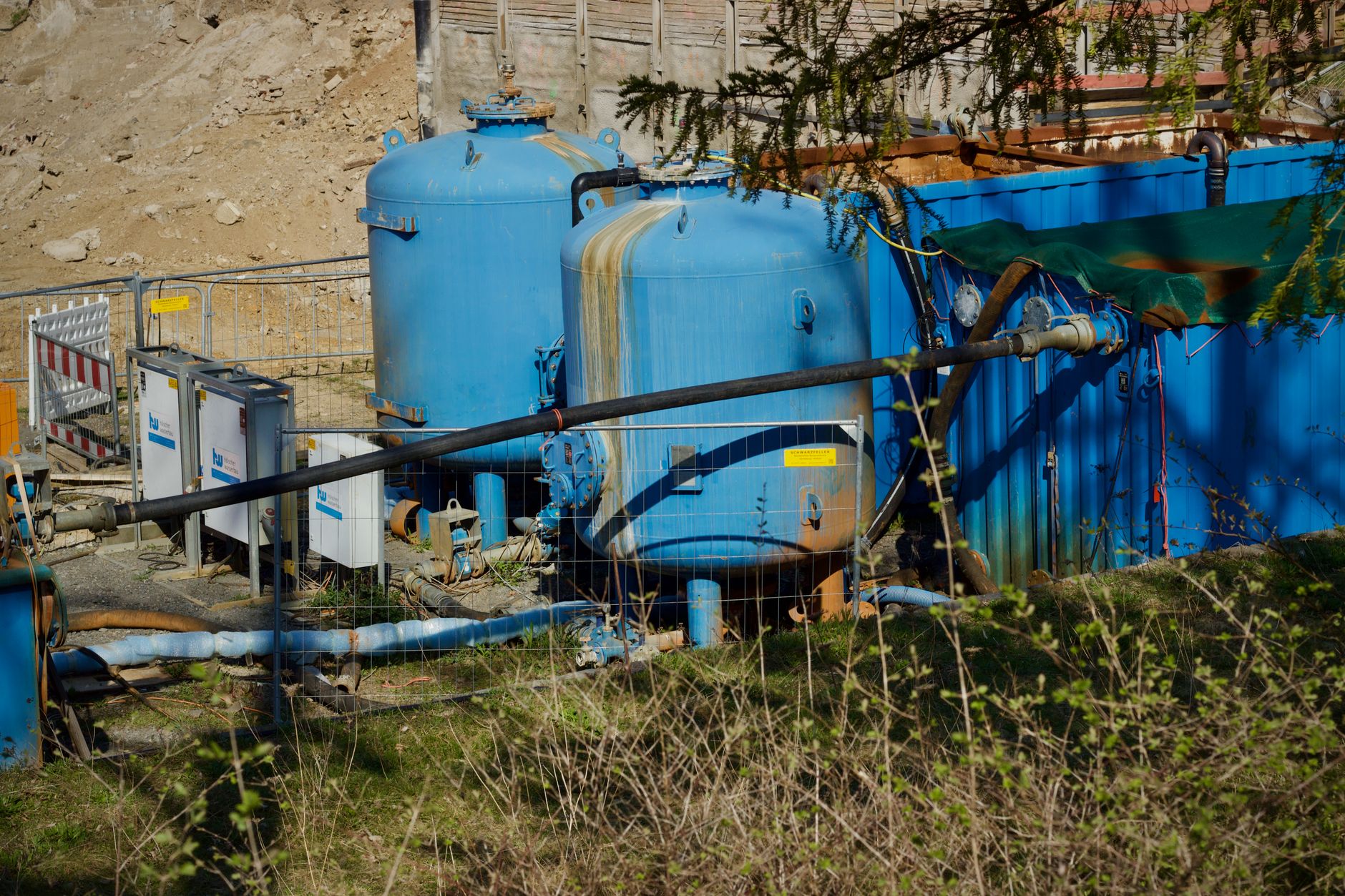
- Installation of complex components like pumps and advanced filtration systems.
- Regular inspections and maintenance.
For those in need of immediate assistance, Broward Restoration Pros offers reliable services for water damage restoration and can provide guidance on system optimization. You can learn more about their services for Broward County residents here.
Conclusion
Optimizing your rainwater harvesting system can significantly impact your water usage, especially in a climate like Broward County's. By understanding the local climate, selecting the right components, and maintaining your system, you can create a sustainable water source that benefits both your household and the environment. For further reading on enhancing disaster recovery strategies in Broward, check out this helpful article on disaster recovery.