How To Optimize Your Plumbing For Broward County's Humid Climate
Living in Broward County means you have to deal with a humid climate that can impact various aspects of your home, especially your plumbing. High humidity levels can lead to a range of plumbing issues, from leaks to mold growth, which can become costly if not addressed promptly. Understanding how to optimize your plumbing for this environment is essential for maintaining a healthy and functional home.
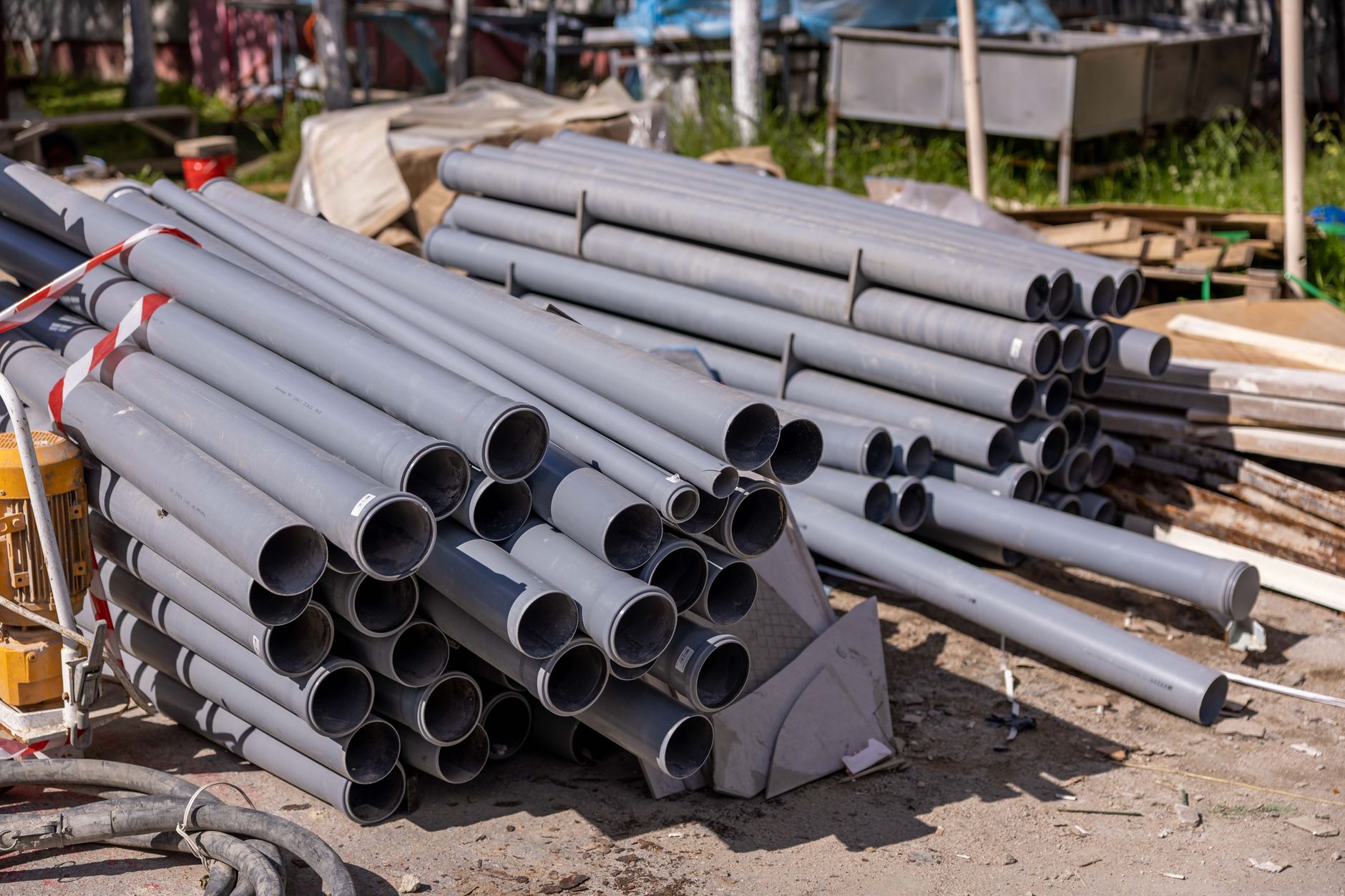
One of the first steps in optimizing your plumbing is ensuring that your pipes are protected from moisture. Old and worn-out pipes are more susceptible to corrosion, which can exacerbate leaks. If your home has aging plumbing, consider scheduling an inspection with a professional plumber to evaluate the state of your pipes. Investing in pipe repair or replacement can save you from more significant problems down the road.

The Importance of Ventilation
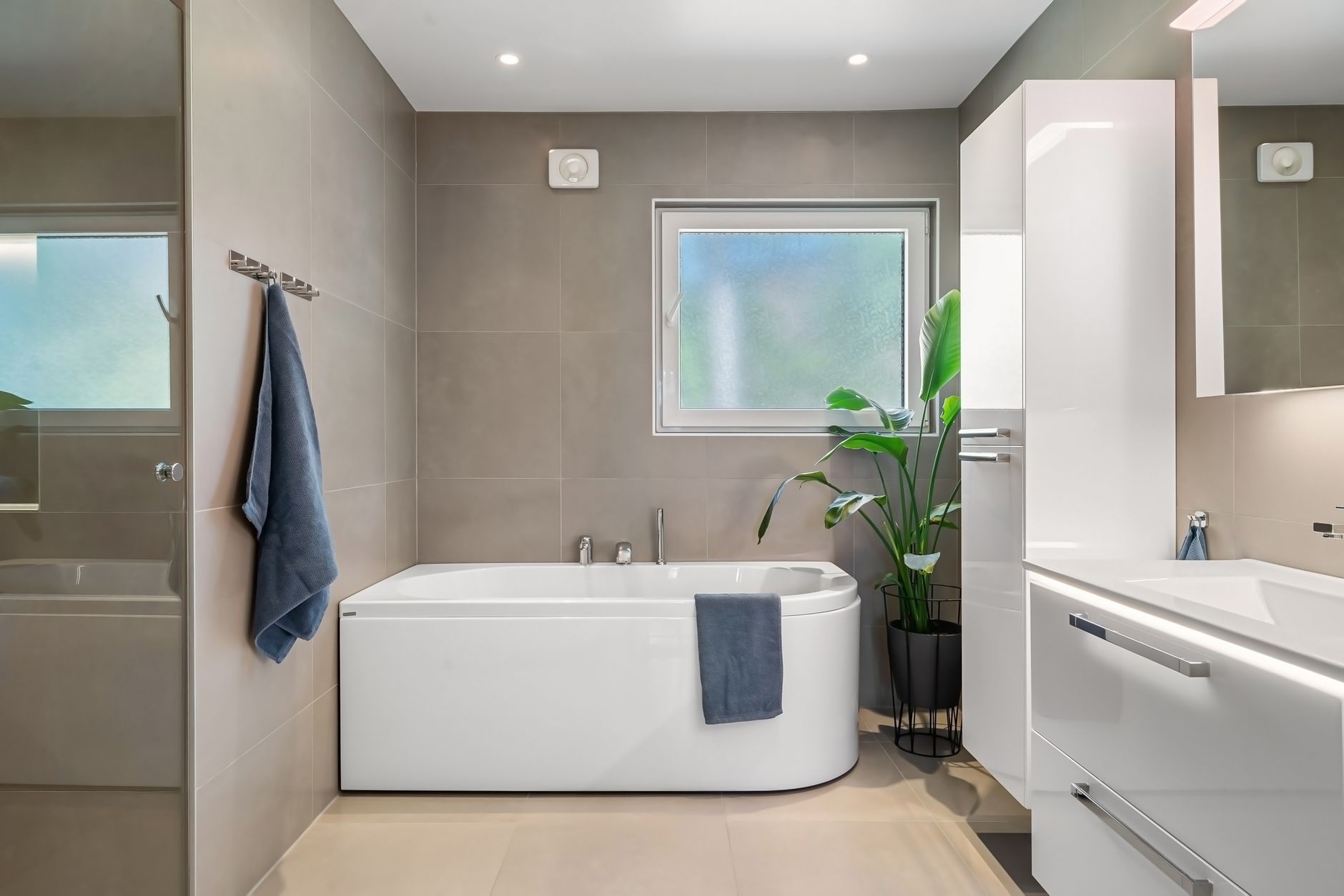
Proper ventilation is crucial in a humid climate. Without adequate airflow, moisture builds up, leading to mold and mildew growth. This is particularly important in areas like bathrooms and kitchens, where humidity levels tend to be higher due to showers, cooking, and cleaning. Installing exhaust fans in these areas can help reduce humidity. Make sure these fans are vented outside, not just into the attic, to prevent further moisture issues.
Check for Hidden Leaks
Hidden leaks can be a significant issue in humid areas. They often go unnoticed until they cause visible damage. To check for leaks, look for signs like peeling paint, water stains, or warped drywall. You might also want to invest in leak detection services to identify hidden issues early. Regular inspections can save you money on repairs and help you avoid a plumbing emergency.
Maintain Your Gutters and Downspouts
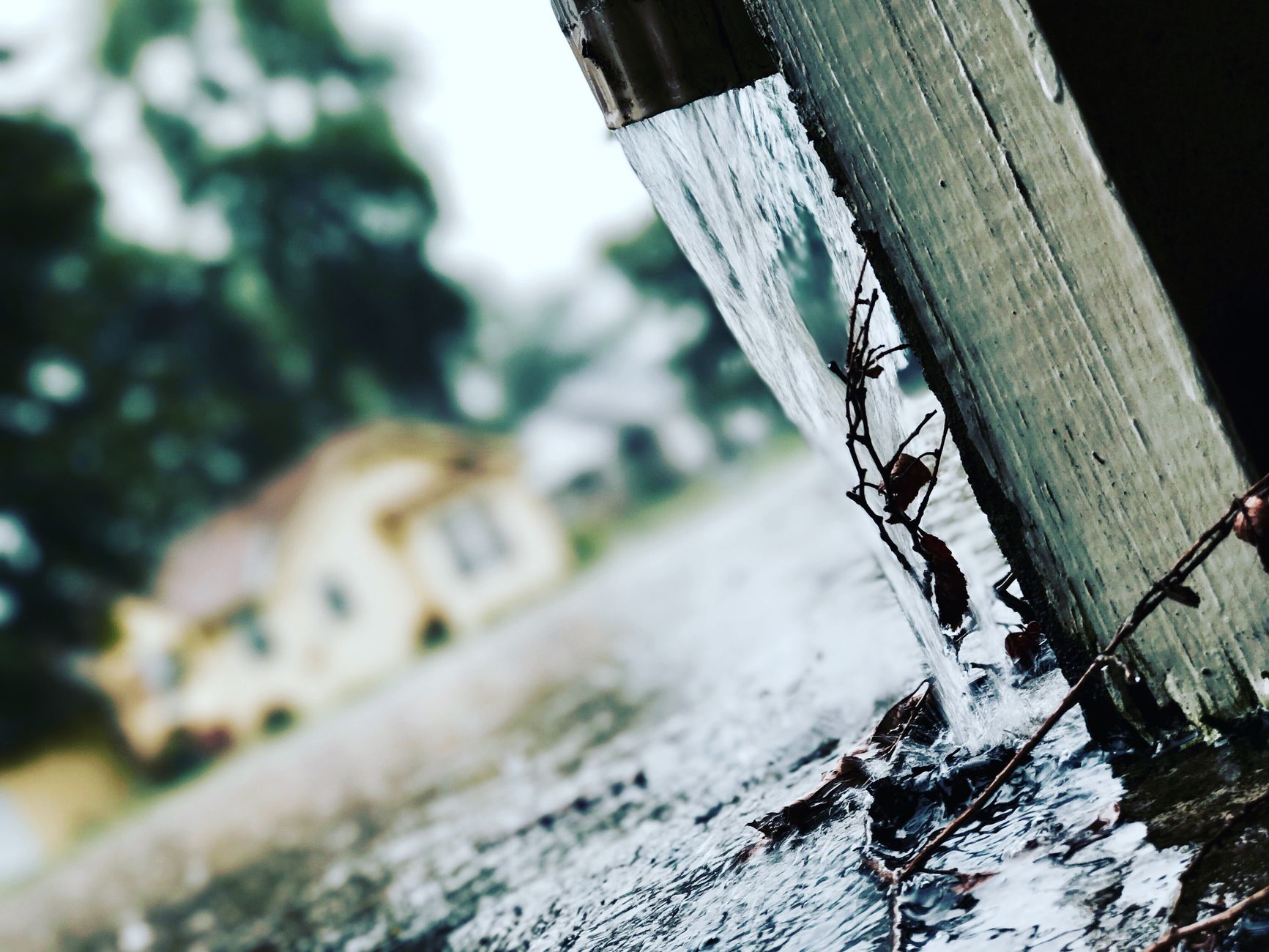
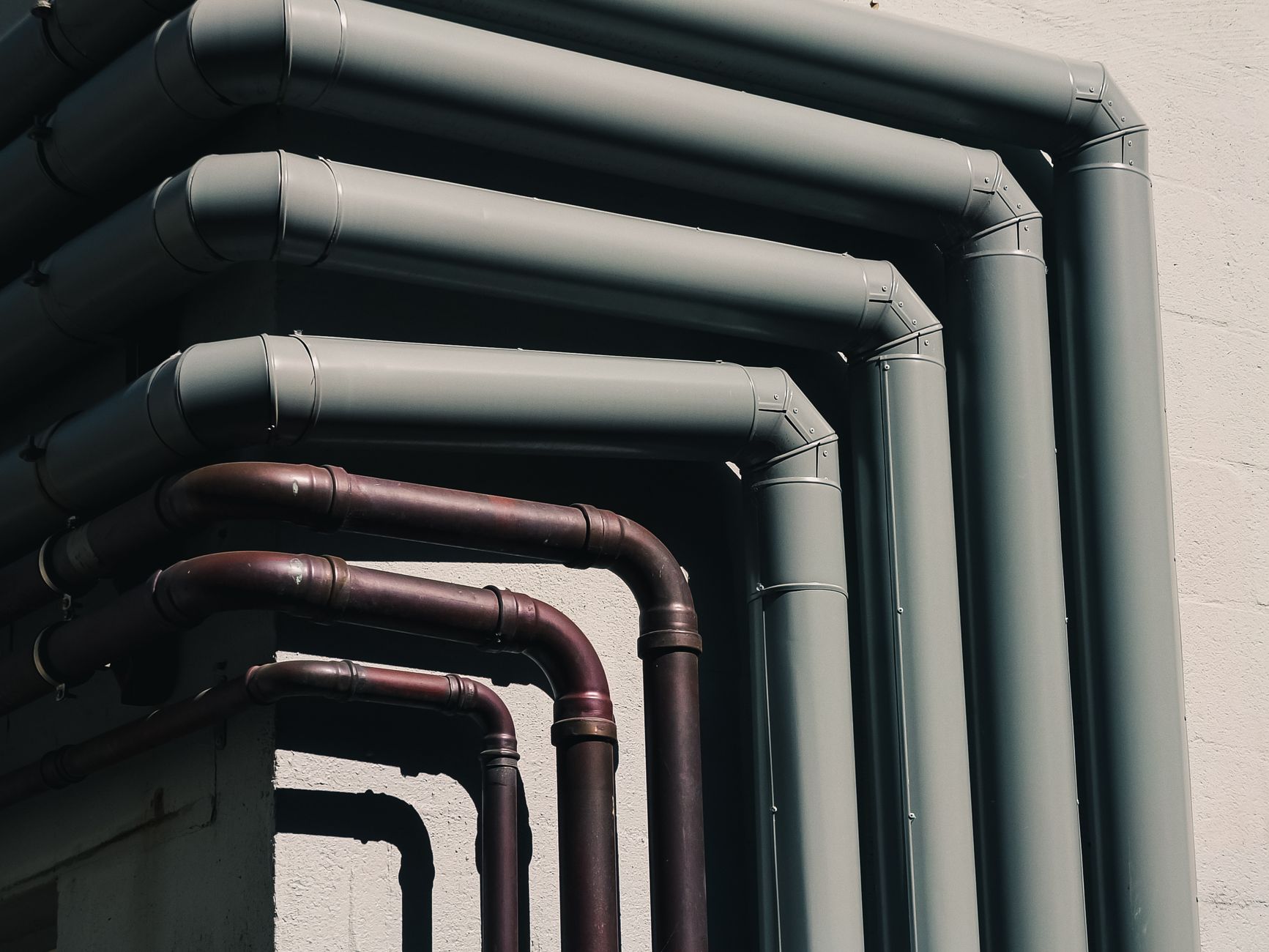
In Broward County, heavy rain is not uncommon. Make sure your gutters and downspouts are clear of debris to ensure proper drainage away from your home's foundation. Clogged gutters can lead to water pooling around your home, which can cause foundation damage and increase the risk of basement flooding. Regularly clean your gutters and consider installing gutter guards to minimize debris accumulation.
Use a Dehumidifier
Using a dehumidifier can significantly help manage indoor humidity levels. This is especially useful in areas prone to moisture accumulation, like basements or laundry rooms. Keeping humidity levels between 30% and 50% is ideal for preventing mold growth and protecting your plumbing.
When to Call a Professional
Despite your best efforts, there may come a time when you need to call a professional plumber. If you notice persistent leaks, significant mold growth, or water damage that you cannot fix yourself, don’t hesitate to reach out. A trained expert can provide the necessary repairs and suggest preventive measures tailored to your home’s needs. For emergency situations, Broward Plumbing Pros offers 24-hour service to assist you.
Additionally, it’s essential to stay informed about your home’s plumbing needs. Regular maintenance checks can catch potential issues before they escalate. For more detailed guidance on recovery and restoration after a plumbing disaster, consider reading about how to conduct a post-disaster safety inspection on the Broward Restoration Pros blog.
Conclusion
Optimizing your plumbing for Broward County's humid climate requires proactive measures and regular maintenance. By protecting your pipes, ensuring proper ventilation, and maintaining your gutters, you can mitigate the risks associated with humidity. If you ever feel overwhelmed by plumbing issues, remember that professional help is always available to guide you.