Navigating Plumbing Regulations for Broward County Homeowners
As a homeowner in Broward County, you may have encountered various plumbing issues, from minor leaks to major overhauls. Understanding the local regulations that govern plumbing work is crucial not only for compliance but also for ensuring the safety and functionality of your plumbing systems. In this article, we will explore the essential plumbing regulations in Broward County, providing you with practical guidance on how to navigate them.
Understanding the Basics of Plumbing Regulations
Plumbing regulations are designed to ensure that all plumbing work is performed safely and effectively. In Broward County, these regulations fall under the jurisdiction of the local building department. They dictate everything from the materials you can use to the methods of installation and maintenance. As a homeowner, you are responsible for ensuring that any plumbing work done in your home complies with these regulations, whether you choose to tackle the job yourself or hire a professional.
Why Compliance Matters
Compliance with plumbing regulations is essential for several reasons. First, it protects your home from potential hazards such as leaks, flooding, or even structural damage due to improper plumbing. Moreover, when you sell your home, buyers will expect that all work has been done according to code, which can affect the value of your property. Additionally, failing to comply with regulations can result in fines or legal issues.
Common Plumbing Regulations in Broward County
Here are a few key regulations that every homeowner should be aware of:
- Permits: Most plumbing work, especially involving significant changes to plumbing systems, requires a permit. This includes new installations, extensive repairs, or alterations.
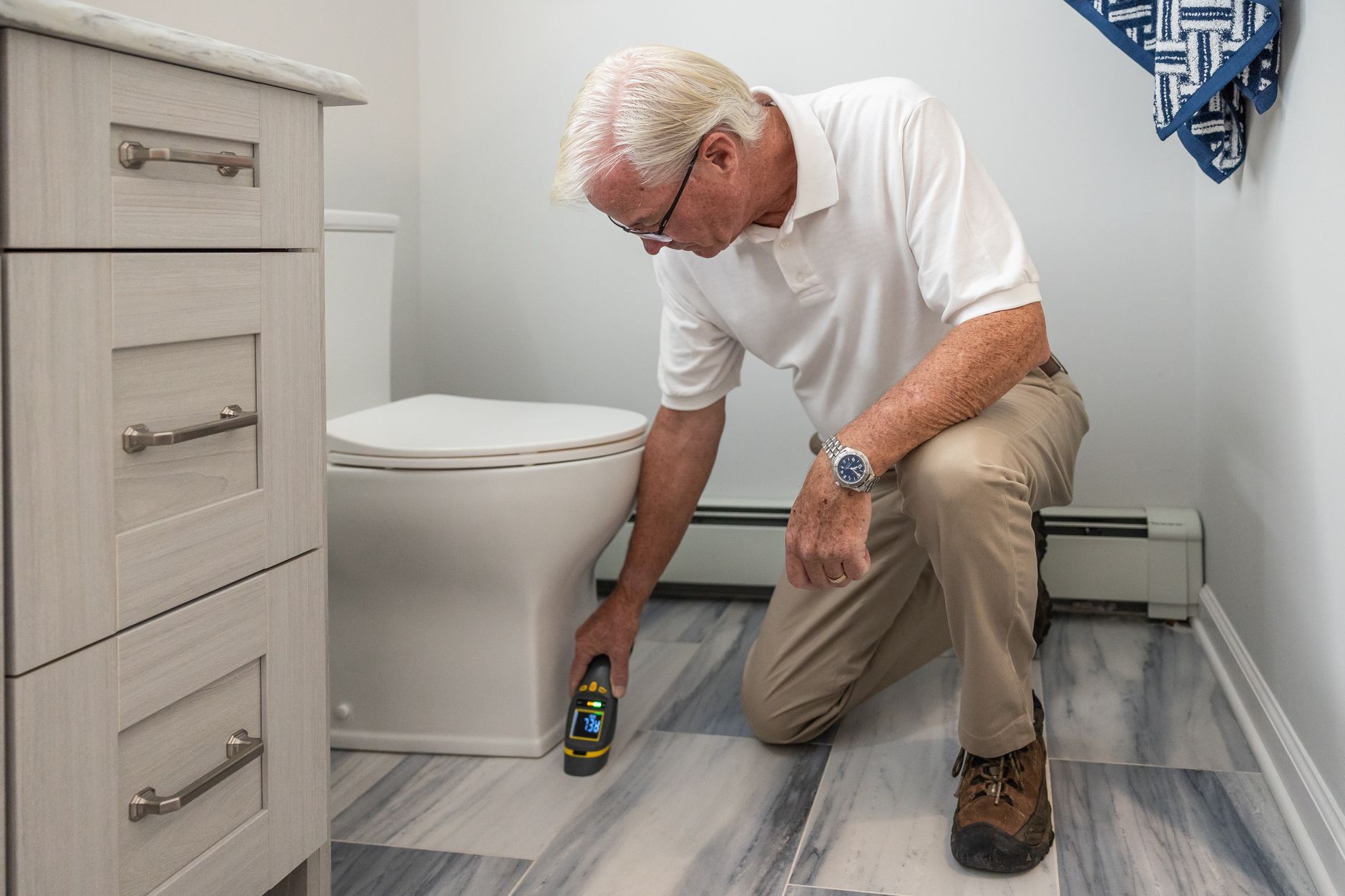
- Inspections: After completing plumbing work, an inspection may be necessary to ensure it meets local codes. This is especially true for major renovations or additions.
- Licensed Contractors: If you decide to hire a plumber, ensure they are licensed and familiar with Broward County regulations. This can save you headaches down the line.
DIY vs Hiring a Professional
One of the first decisions you might face is whether to tackle plumbing issues yourself or hire a professional. While DIY projects can save you money, it’s crucial to be aware of your limitations. Simple tasks, like fixing a leaky faucet, may be manageable; however, more complex issues, like pipe installations or sewer line repairs, often require expertise and a thorough understanding of local codes.
When considering DIY plumbing, remember that even minor mistakes can lead to significant problems. If you're unsure about any aspect of the job, it's always wise to call a plumber who can ensure everything is done correctly.
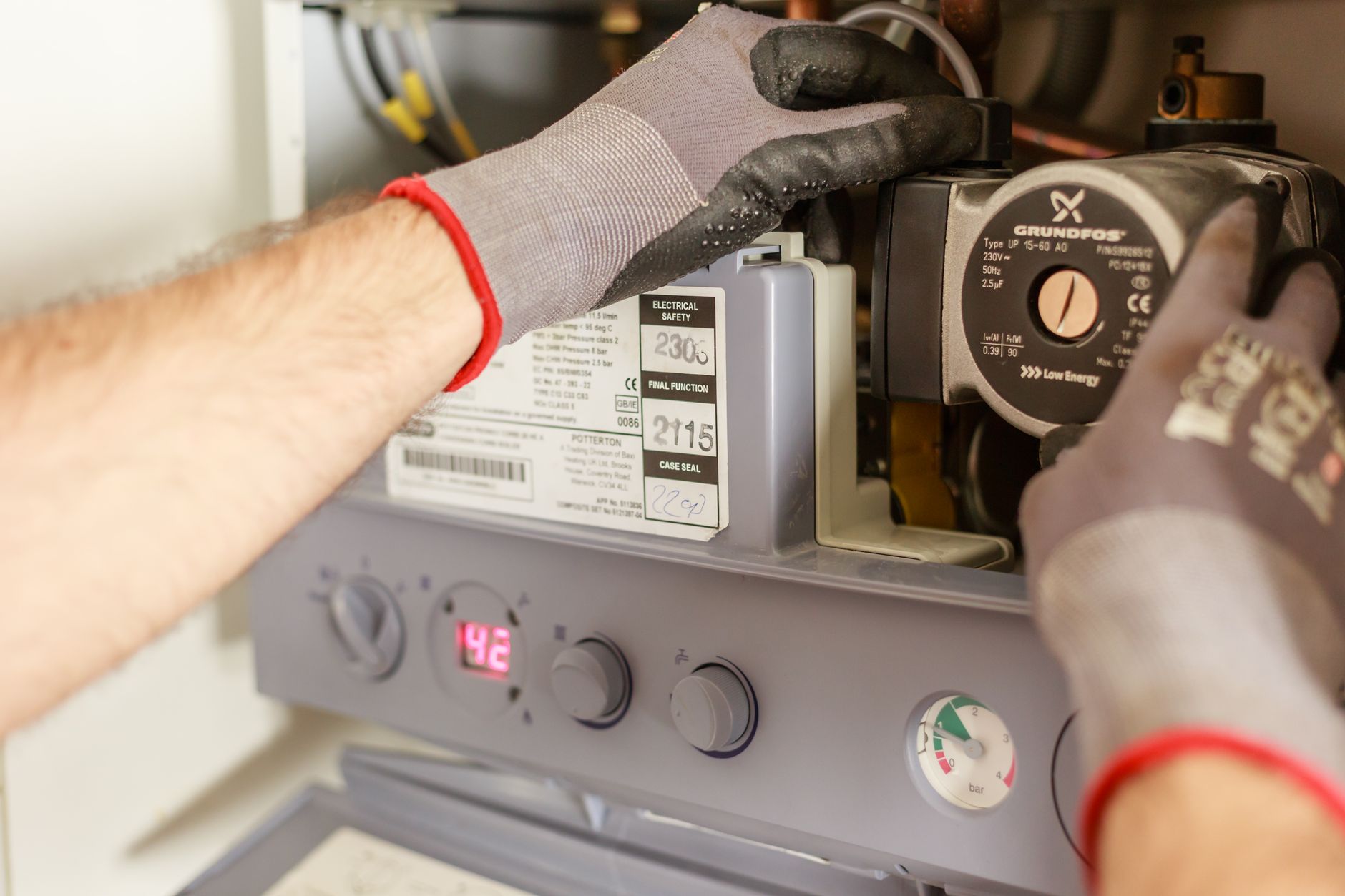
When to Call a Professional
There are several situations where calling a professional plumber is not just advisable but necessary:
- If you encounter a plumbing emergency, such as a burst pipe or severe leak, immediate assistance is critical.
- For complex installations or repairs that require permits and inspections, a licensed plumber will understand the regulations and ensure compliance.
- If you’re planning a renovation that involves plumbing, consulting with a professional can help you navigate the necessary permits and codes.
In these instances, you can rely on local experts like those at Broward Restoration Pros, who specialize in property restoration and can help with any plumbing emergencies.
Staying Informed
Local regulations can evolve, so it’s essential to stay informed about any changes that may affect your plumbing. Regularly checking the Broward County building department website or subscribing to local newsletters can help you keep up to date.
Furthermore, if you’re unsure whether a specific project requires a permit, it’s better to ask than to assume. You can also consult with professionals who can provide guidance tailored to your situation.
For more information on choosing the right service provider when facing plumbing issues, consider reading this informative blog that outlines key factors for Broward homeowners.
Conclusion
Navigating plumbing regulations in Broward County may seem daunting, but understanding the basics can save you time, money, and stress. Whether you choose to handle plumbing issues yourself or hire a professional, compliance with local codes ensures the safety and integrity of your home. Remember, when in doubt, it's always best to seek the assistance of a licensed plumber to ensure that your plumbing needs are met effectively and legally.