Is Water Leaking From Your Ceiling an Emergency? Here’s How to Tell
Seeing water drip or stain your ceiling is alarming, and for good reason. Ceiling leaks are rarely cosmetic issues. In most cases, they indicate an active plumbing, drainage, or appliance problem occurring above the ceiling line. What makes these situations especially dangerous is that the visible water is often only a small portion of what’s happening behind the scenes. If you’re wondering whether a ceiling leak is an emergency, the answer often depends on how quickly you act.
Why Ceiling Leaks Are More Serious Than They Look
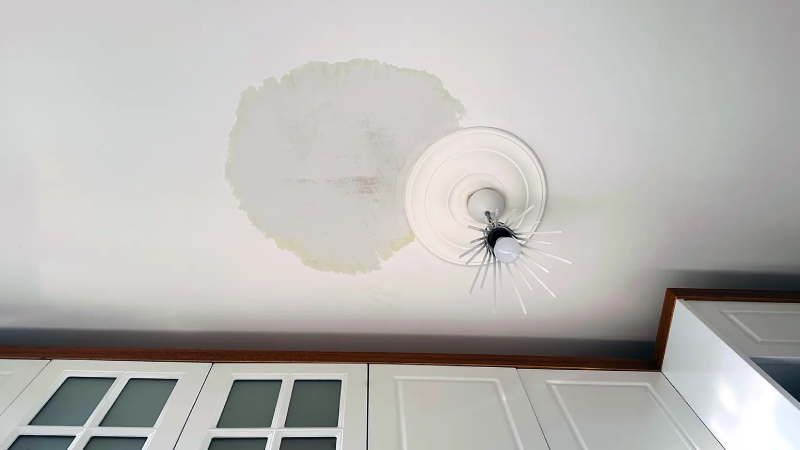
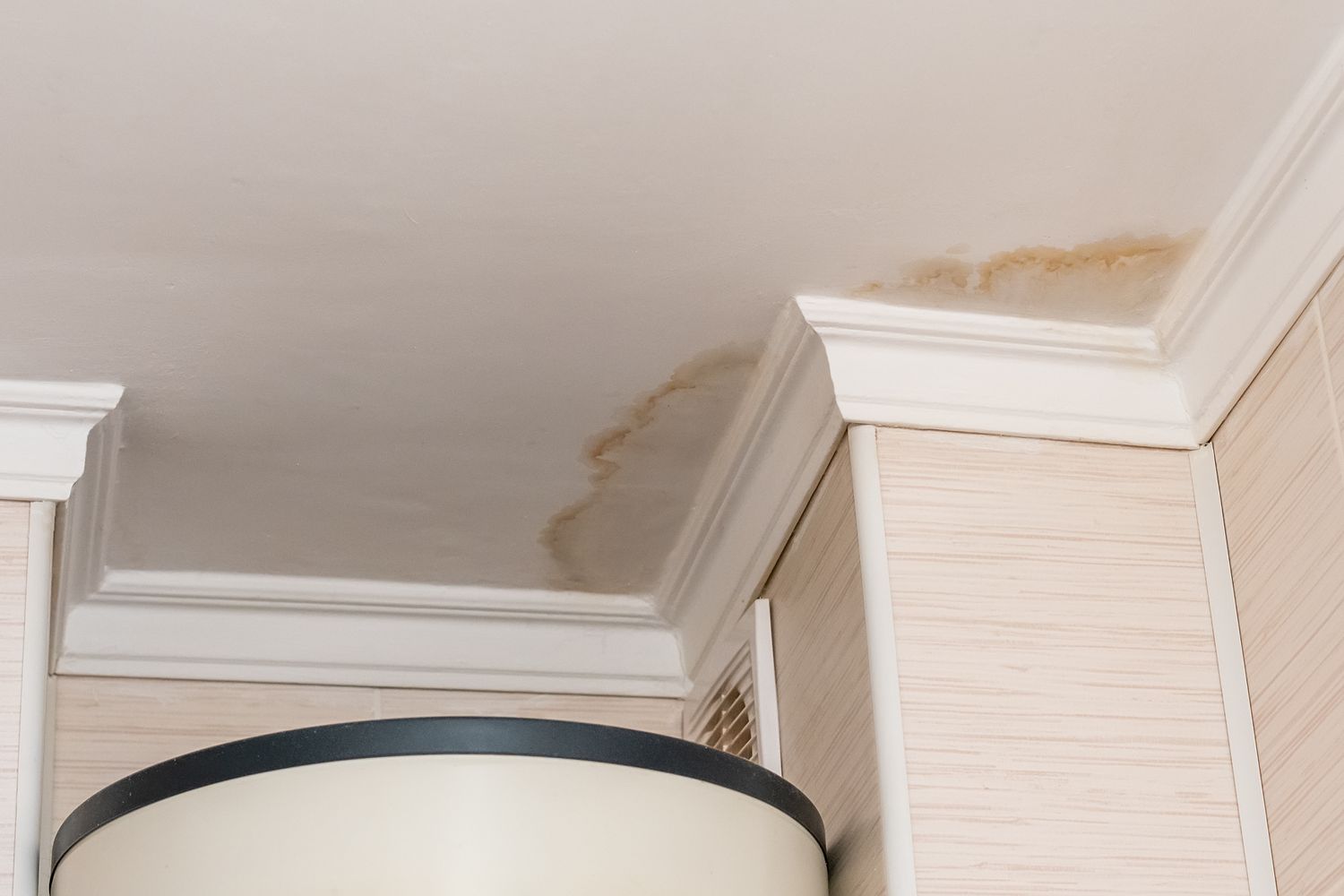
Ceilings are not designed to hold water. When moisture accumulates above drywall, it spreads horizontally before finding a weak point and becoming visible. By the time you see dripping, staining, or bubbling paint, water has usually been present for some time. That trapped moisture can soak insulation, weaken framing, and increase the weight load on the ceiling itself. Professionals frequently point out that ceiling leaks are one of the most underestimated plumbing-related risks homeowners face.
Common Causes of Ceiling Leaks
Ceiling leaks can originate from several sources, depending on what’s located above the affected area. In many homes, the most common causes include plumbing pipes, bathrooms, HVAC systems, or appliances. Upstairs bathrooms are frequent culprits, especially overflowing tubs, leaking toilets, or failed shower pans. Air conditioning drain line clogs can also cause water to back up and overflow into ceilings. Less commonly, leaking supply lines or hidden pipe failures inside walls can release water slowly until damage becomes visible.
When a Ceiling Leak Becomes an Emergency
Not every ceiling leak starts as an emergency, but many become one quickly. Certain signs indicate immediate risk and should never be ignored:
- Active dripping or steady water flow
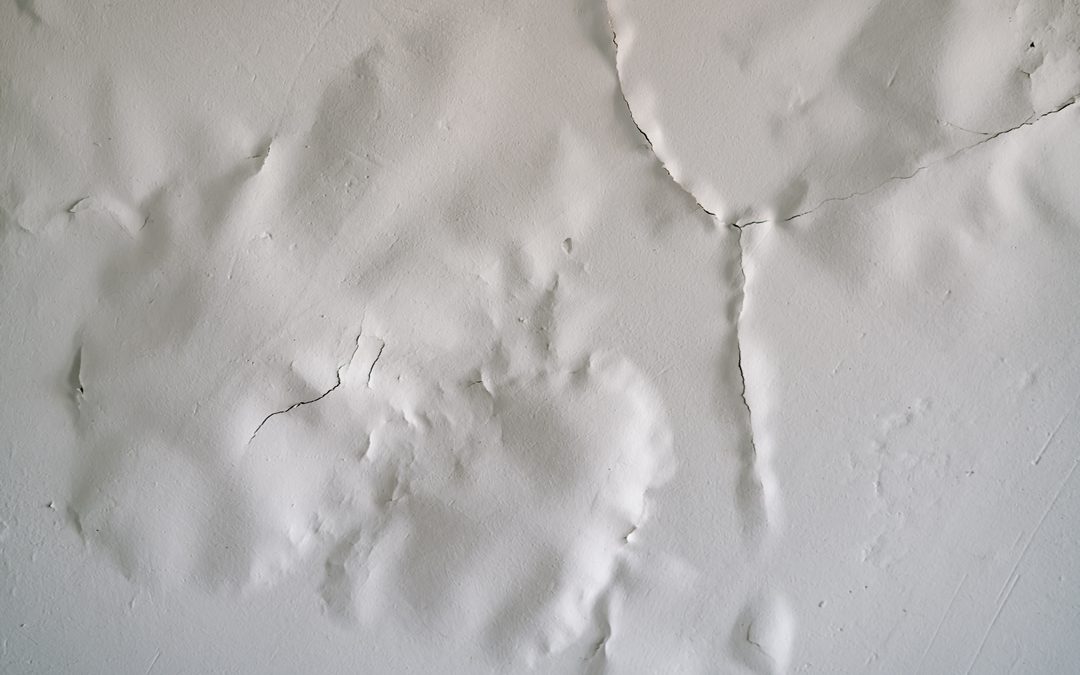
- Sagging or bulging drywall
- Rapidly spreading stains
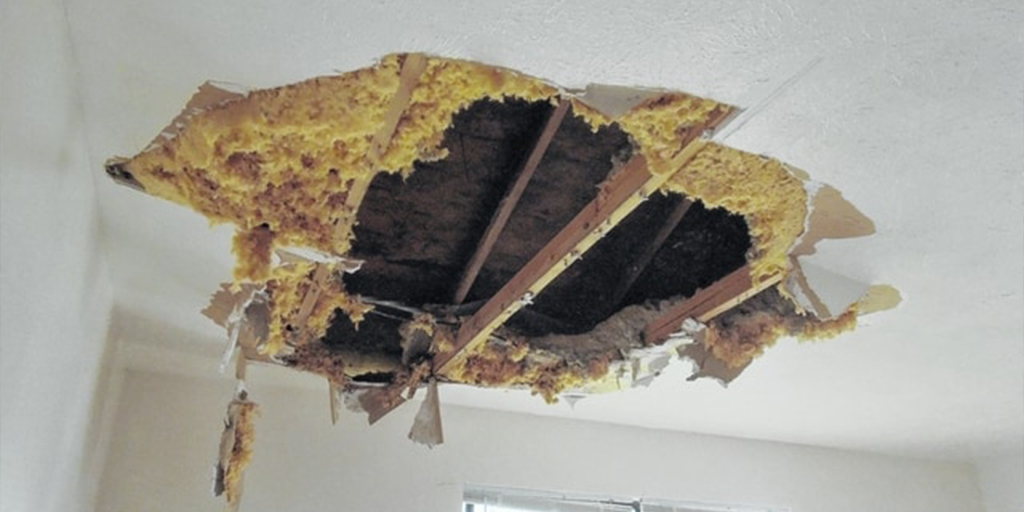
- Cracking, peeling, or collapsing ceiling material
These symptoms suggest ongoing water accumulation. In severe cases, ceilings can partially or fully collapse once drywall becomes saturated.
 |
 |
 |
Electrical and Safety Concerns
One of the biggest dangers associated with ceiling leaks is electrical exposure. Water traveling through ceilings can reach wiring, fixtures, and recessed lighting. This creates a potential shock and fire hazard. If water is near electrical components, it’s important to avoid contact and consider shutting off power to the affected area if it can be done safely.
Why Waiting Makes Ceiling Damage Worse
Many homeowners notice a stain and decide to “keep an eye on it.” Unfortunately, ceiling leaks rarely resolve on their own. Continued moisture exposure causes drywall to soften, insulation to lose effectiveness, and framing to weaken. Over time, this can lead to structural repairs far more expensive than addressing the issue early. Mold-friendly conditions can also develop in damp ceiling cavities within a short period.
When to Call a Plumber
A ceiling leak almost always requires professional evaluation. You should contact a plumber promptly if the leak is active, the source is unclear, or the leak originated from plumbing or HVAC systems. A licensed plumber can locate the source, stop the water intrusion, and help prevent additional damage. Fixing the visible ceiling without addressing the cause will only lead to recurring problems.
What If Water Damage Has Already Occurred?
If water has soaked into ceiling materials, proper drying becomes critical. Moisture trapped above ceilings can continue damaging insulation and framing long after the leak is stopped. This is why ceiling leaks often involve more than just plumbing repair. Early assessment helps determine whether additional cleanup steps are necessary.
Final Thoughts
Water leaking from your ceiling should never be ignored. Even small leaks can signal larger problems hidden above the surface. Acting quickly, prioritizing safety, and contacting a qualified plumber can significantly reduce damage and repair costs. When it comes to ceiling leaks, it’s far better to treat the situation as urgent than risk serious structural or safety issues.