How To Tackle Plumbing Issues Caused By Broward's Soil Composition
Broward County is known for its beautiful landscapes and vibrant communities, but the unique soil composition can present unexpected challenges for homeowners, particularly when it comes to plumbing. The sandy, porous soil common in this region can lead to various plumbing issues, including slab leaks, pipe deterioration, and even sewer backups. Understanding how the soil affects your plumbing is crucial for early detection and effective management of potential issues.
Understanding Broward's Soil Composition
The soil in Broward County consists mainly of sand and limestone, which has both advantages and disadvantages. While sandy soil allows for good drainage, it can also lead to problems with stability for buried pipes. Over time, the shifting soil can create pressure points on pipes, leading to leaks or even pipe bursts. Additionally, during heavy rains, the porous nature of the soil can cause water to pool, which can saturate the ground and exacerbate plumbing issues.
Common Plumbing Problems Linked to Soil Composition
As a homeowner, it's essential to be aware of the plumbing problems that may arise due to the soil composition in your area. Here are some common issues:
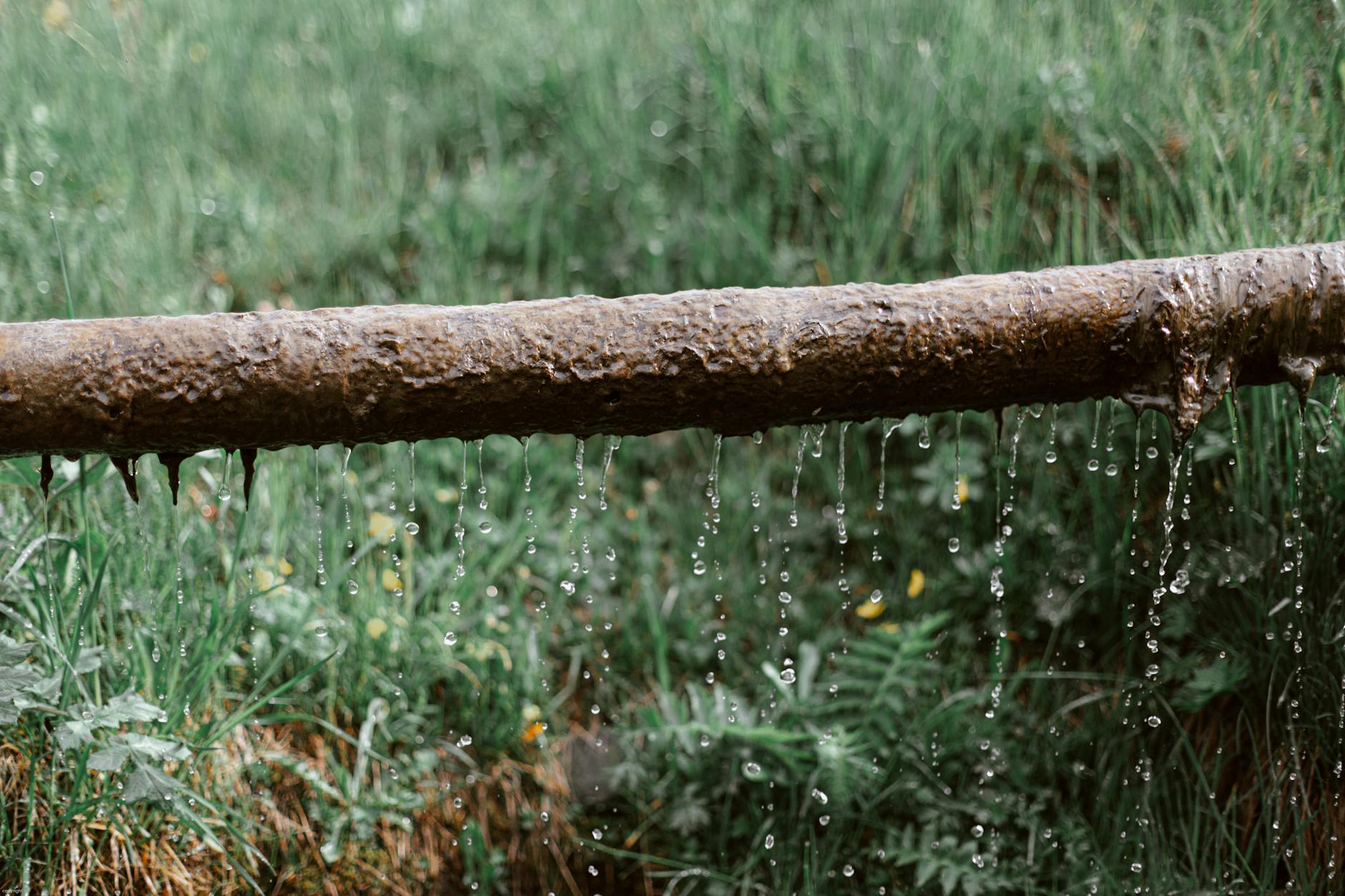
- Slab Leaks: These occur when the pipes beneath your home's foundation develop leaks due to shifting soil. Slab leaks can lead to significant water damage if not addressed quickly.
- Pipe Deterioration: The constant pressure from shifting soil can wear down pipes, especially older ones made from materials like galvanized steel or copper.
- Sewer Backups: Poor drainage and excessive moisture can lead to sewer lines becoming clogged or damaged, resulting in backups into your home.
Signs You Need to Call a Plumber
It's vital to recognize the signs of plumbing issues early on to prevent extensive damage. Look out for:

- Unexplained increases in your water bill
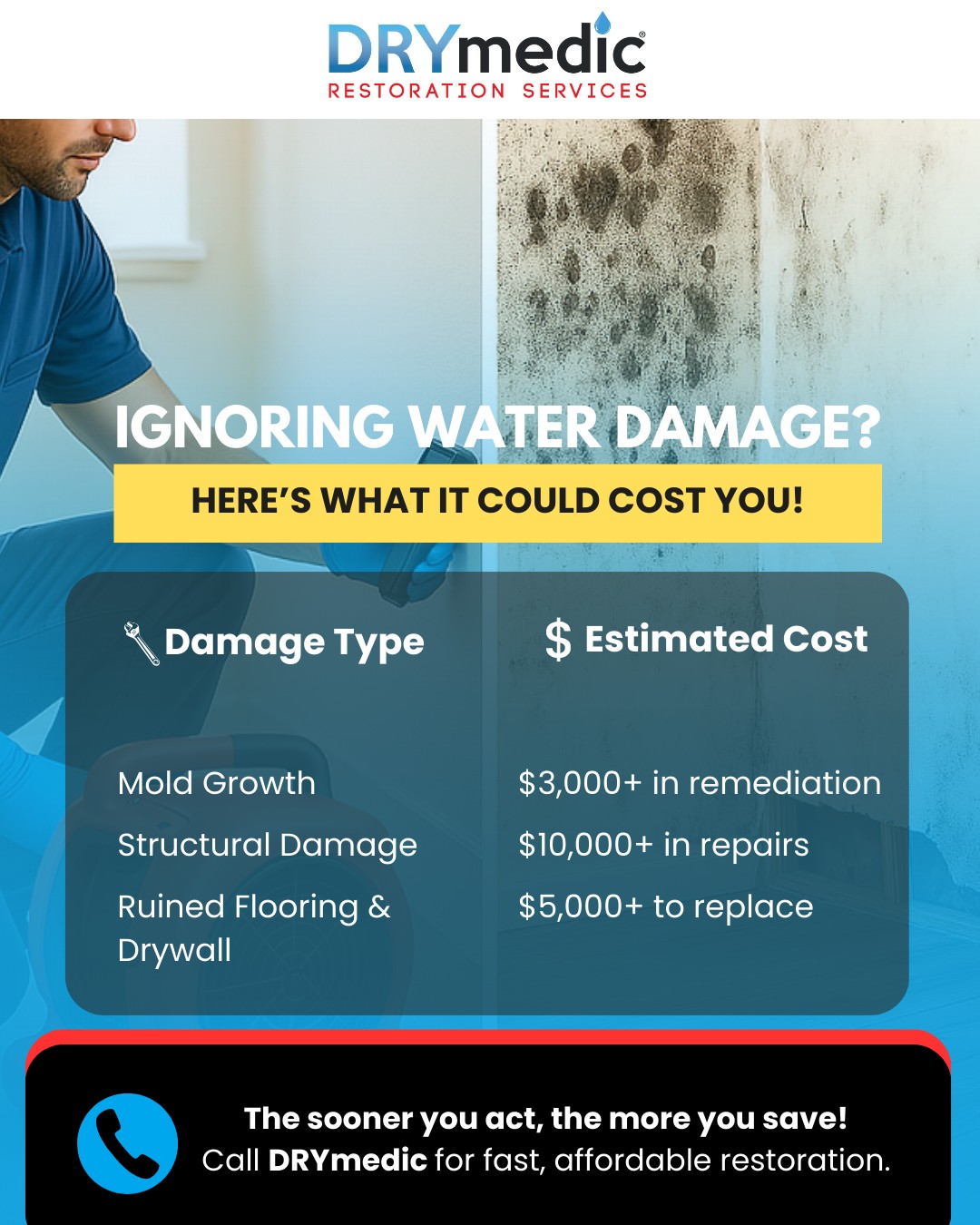
- Mold or mildew growth in your home
- Wet spots on your floors or walls
- Foul odors from drains
If you notice any of these signs, don’t hesitate to call a plumber. The sooner you get a professional assessment, the better your chances of avoiding costly repairs.
DIY vs. Professional Help
While some homeowners may feel inclined to tackle plumbing issues on their own, it’s important to understand the limits of DIY repairs. Simple tasks like fixing a leaky faucet or unclogging a drain can be managed at home, but more complex issues, particularly those related to soil composition and structural plumbing, often require professional expertise.

Professional plumbers can conduct thorough inspections, identify the root causes of plumbing problems, and recommend the best solutions. They also have the necessary tools and experience to handle emergencies effectively. For example, if you suspect a slab leak, a plumber can use advanced leak detection services to pinpoint the problem without causing unnecessary damage to your property.
Mitigating Future Plumbing Issues
Preventing plumbing disasters caused by Broward's soil composition involves regular maintenance and proactive measures. Here are some tips to consider:
- Conduct regular plumbing inspections to catch issues early.
- Ensure proper drainage around your property to minimize soil saturation.
- Install a sump pump if your property is prone to flooding.
Additionally, if you experience flooding due to heavy rains, it’s crucial to act quickly. For professional assistance, consider reaching out to Broward Restoration Pros for immediate water damage restoration services.
Conclusion
Understanding the impact of Broward's soil composition on plumbing systems is essential for safeguarding your home. By staying vigilant and calling a professional when necessary, you can prevent small issues from turning into major disasters. If you want to learn more about emergency response strategies, check out this helpful article on emergency response after flooding.