How To Handle Plumbing Challenges During Broward County's Stormy Weather
Stormy weather in Broward County brings a mix of excitement and anxiety for homeowners. While the rain nourishes our lush landscapes, it also poses significant plumbing challenges. From flooding to leaks, knowing how to handle these issues can save you time, money, and stress. This article will delve into practical strategies for managing plumbing problems during stormy weather, ensuring your home remains safe and dry.
Understanding the Risks
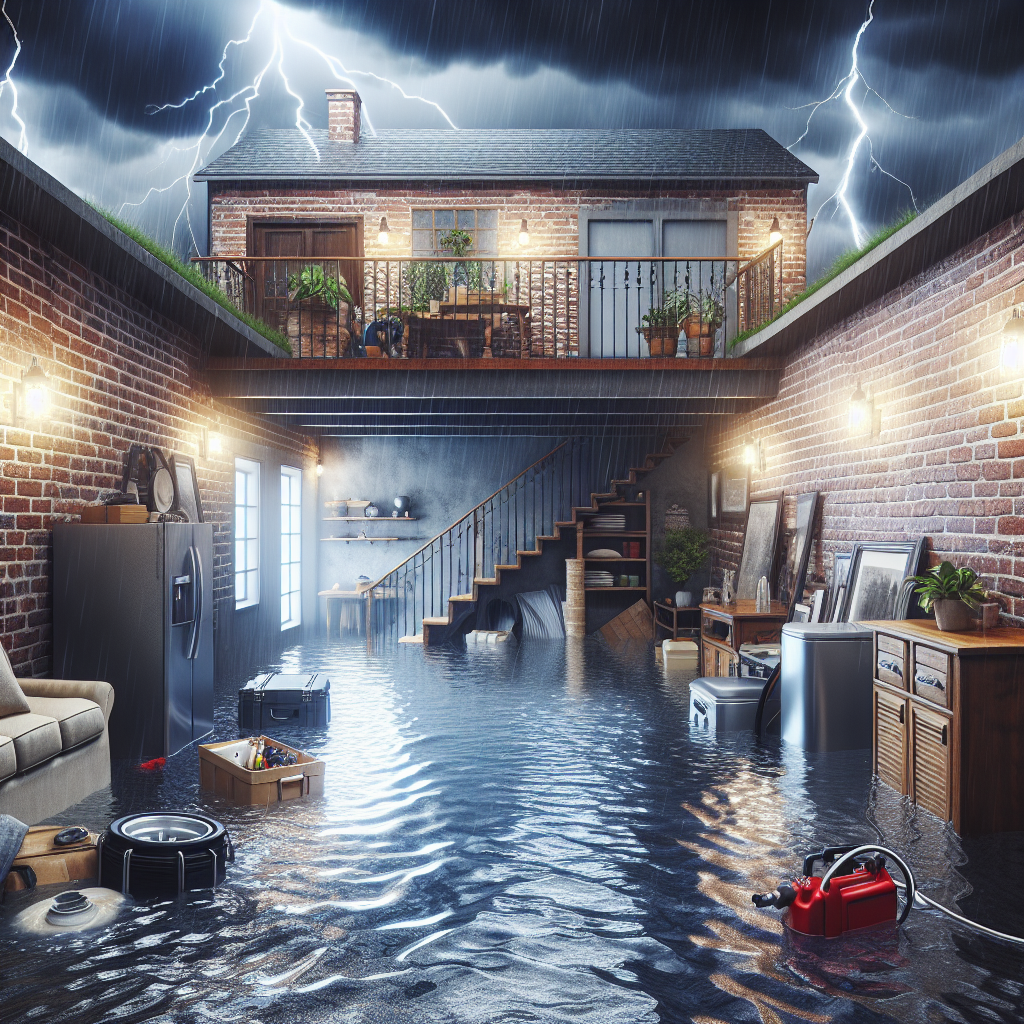
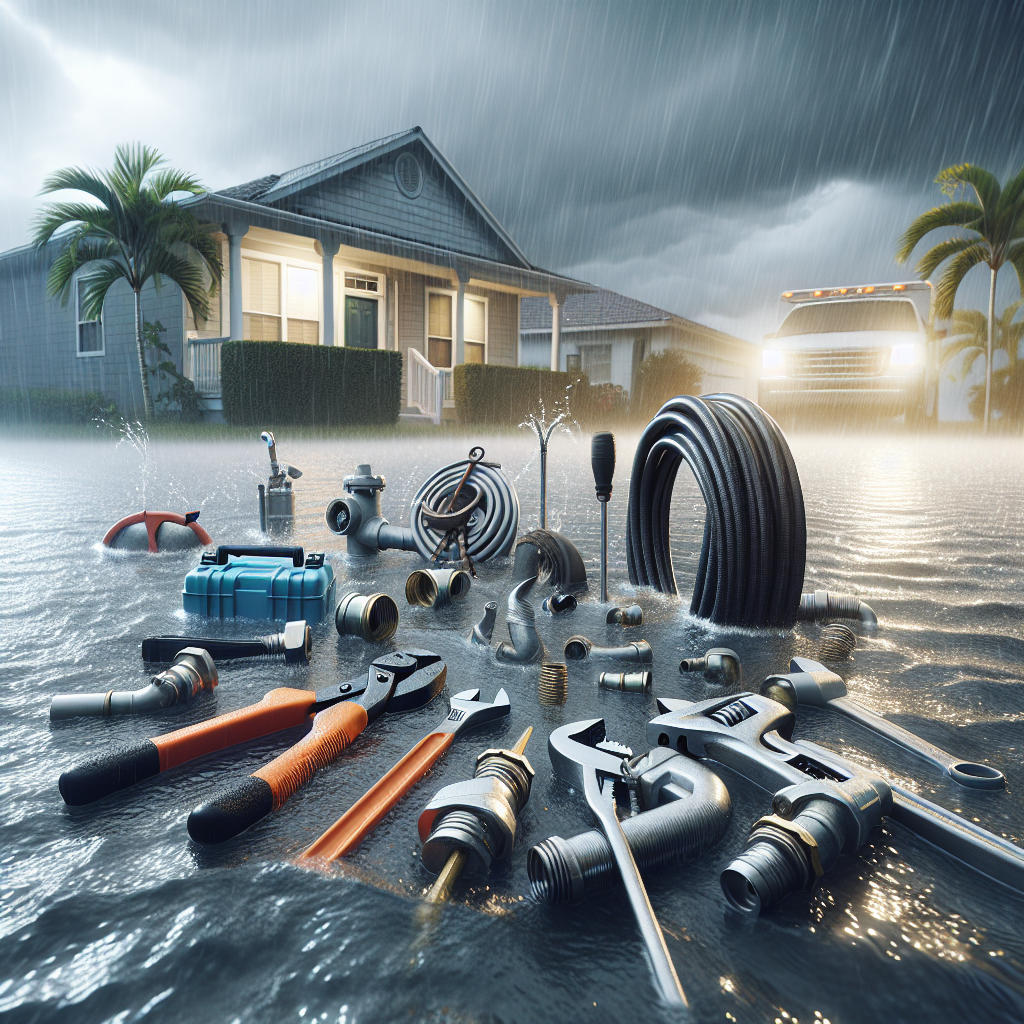
First, it’s crucial to understand the types of plumbing challenges that can arise during intense storms. Heavy rain can lead to sewer backups, which can cause unsanitary conditions in your home. Additionally, stormwater can infiltrate your plumbing systems, leading to leaks and potential water damage. Homeowners may also experience issues with their outdoor plumbing, such as burst pipes due to temperature drops. Awareness of these risks allows you to take proactive measures.
Preparing Your Home
Before a storm strikes, there are several steps you can take to prepare your plumbing:
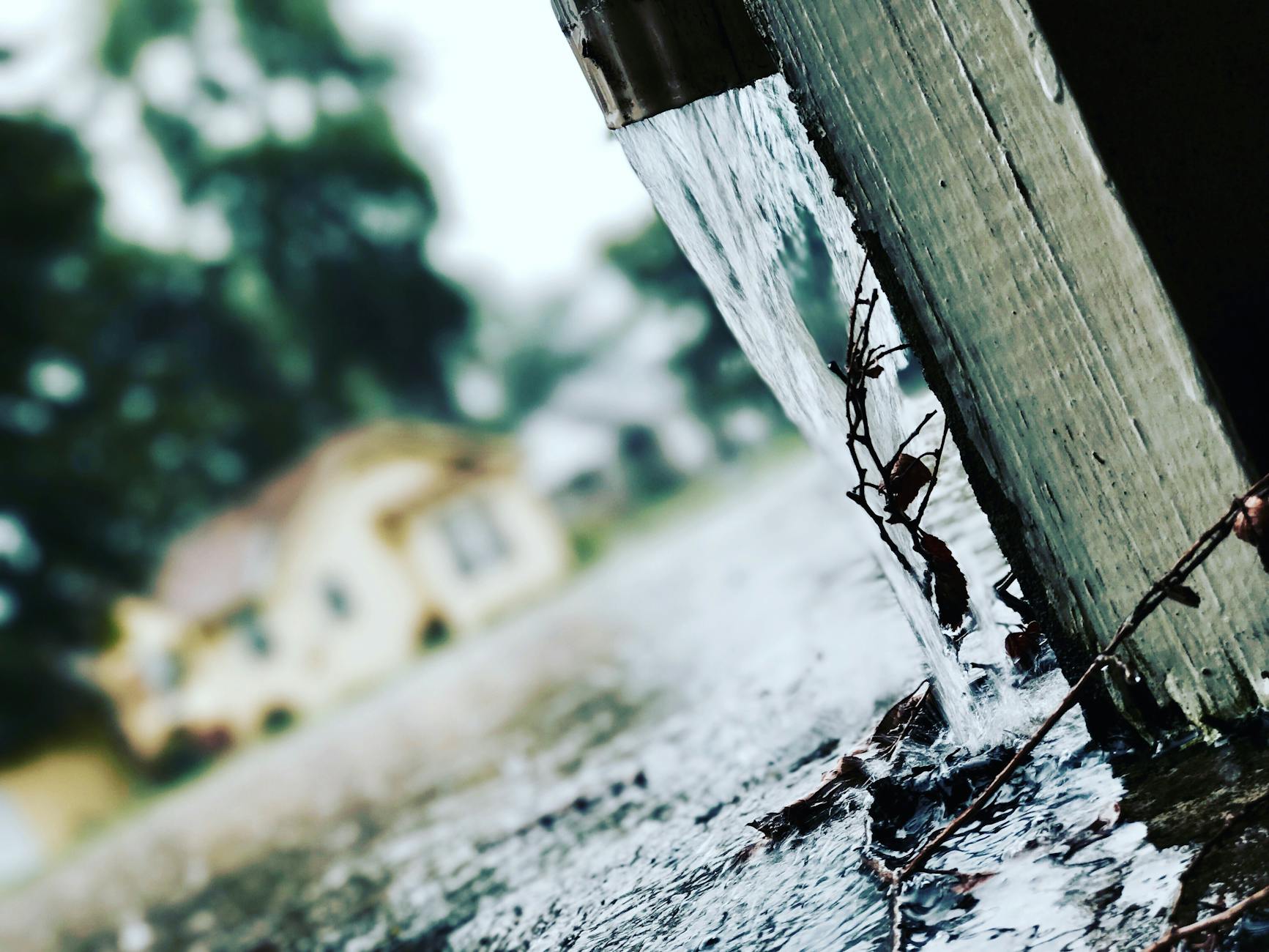
- Inspect Your Gutters: Ensure that your gutters are clean and free of debris. Clogged gutters can cause water to overflow, putting pressure on your plumbing.
- Check for Leaks: Conduct a thorough inspection for any existing leaks. Identifying issues before a storm can prevent exacerbating water damage.
- Know Your Shutoff Valves: Familiarize yourself with your main water shutoff valve. In the event of a plumbing emergency, knowing where to turn off the water can prevent extensive damage.
During the Storm
When the storm hits, stay vigilant. If you notice water pooling around your home or any signs of flooding, it’s essential to act quickly. Here’s what to do:

- Monitor Your Basement: If you have a basement, keep an eye out for water accumulation. Consider using a sump pump to remove any excess water.
- Check for Ceiling Leaks: Water leaking from ceilings can be a sign of serious plumbing issues. If you see any stains or dripping, be prepared to call a plumber.
- Avoid Using Plumbing Fixtures: Minimize use of sinks, toilets, and showers during heavy rain. This can help prevent sewage backups into your home.
When to Call a Professional
In many cases, the challenges posed by stormy weather can be managed with preparation and vigilance. However, there are situations when it’s best to leave things to the professionals. If you experience:
- Significant flooding that exceeds your control
- Persistent leaks that won’t stop
- A sewage backup
In these cases, calling an emergency plumber is crucial. They have the expertise and equipment necessary to address severe plumbing issues.
Post-Storm Actions
After the storm has passed, it’s vital to assess any damage that may have occurred. Check for:
- Water damage in walls and ceilings, which can lead to mold growth
- Wet carpets or flooring that may need professional cleaning or replacement
- Any plumbing fixtures that may have been compromised
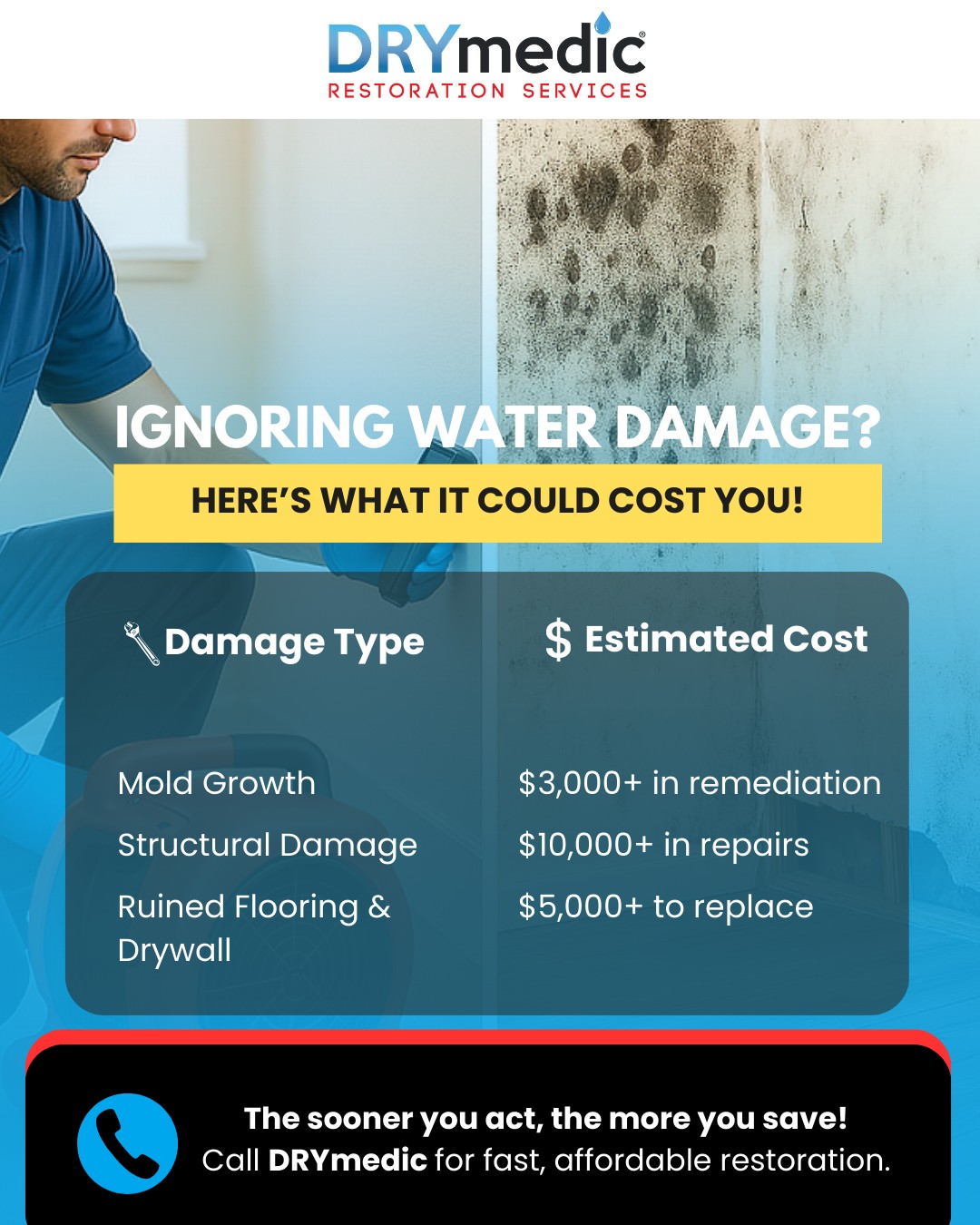
For extensive water damage, consider reaching out to restoration professionals. For instance, you can learn more about 24-hour water damage restoration here. They can assist in assessing damage and restoring your home to its pre-storm condition.
Conclusion
Stormy weather in Broward County can present numerous plumbing challenges, but with the right knowledge and preparation, you can handle them effectively. By understanding potential risks, preparing your home, and knowing when to call for professional help, you can protect your property and ensure your peace of mind. Don’t forget to check out additional resources on handling water damage from natural disasters in Broward here.