How To Effectively Detect Plumbing Leaks In Your Broward Home
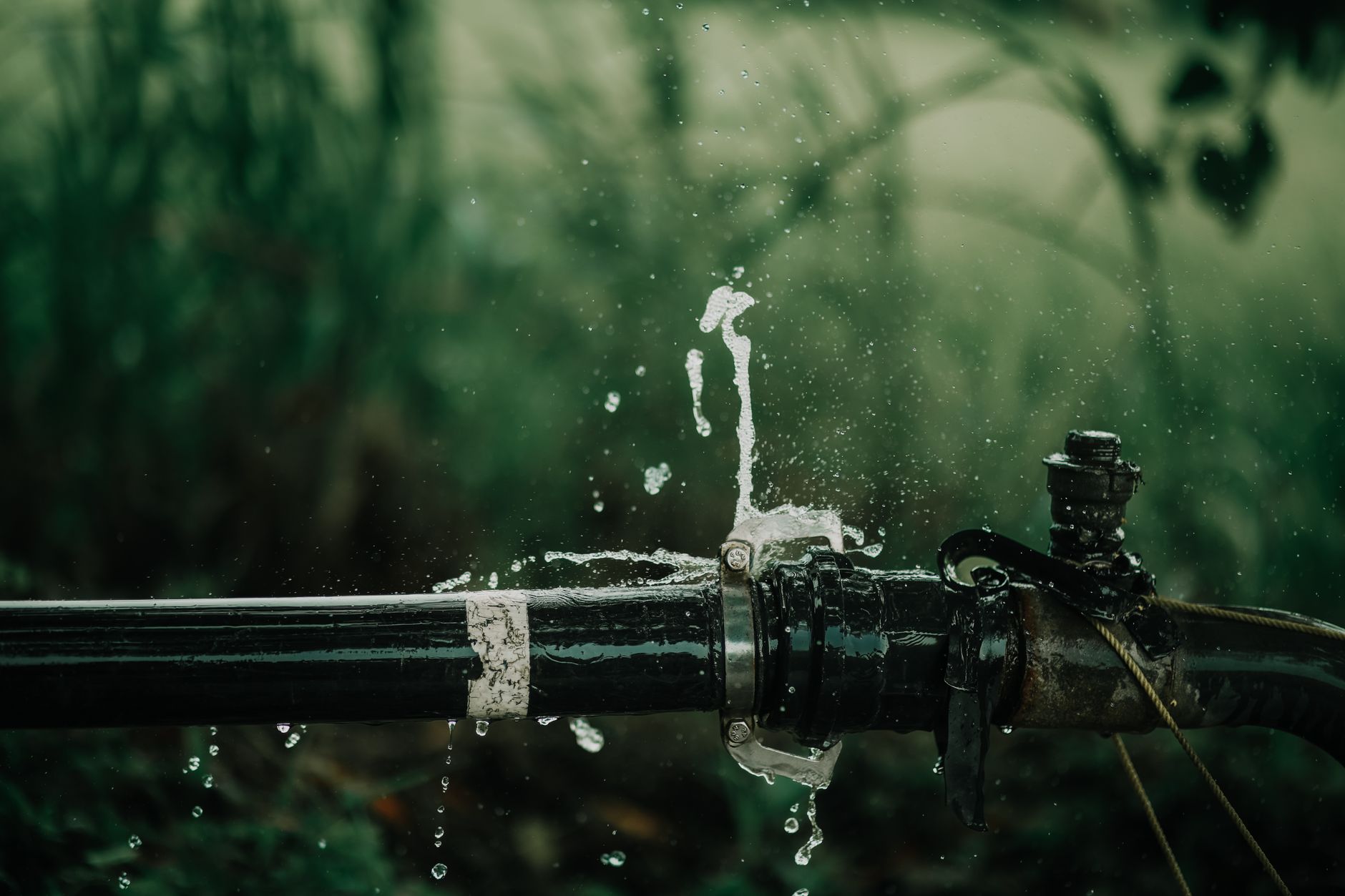
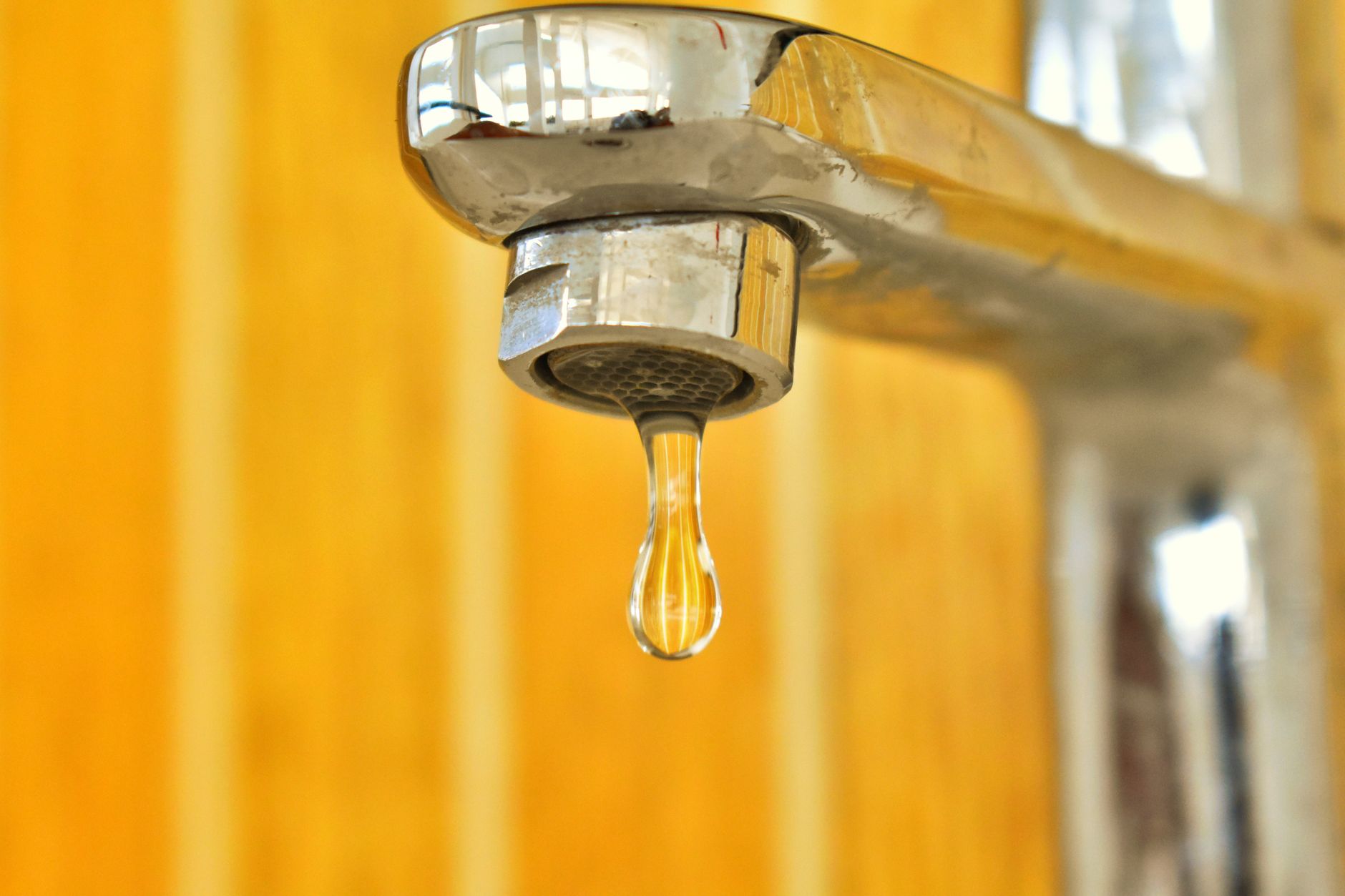
As a homeowner in Broward County, you might find yourself worrying about plumbing leaks and the damage they can cause. Whether it’s a slow drip from a faucet or a sudden flood in your basement, the implications of undetected leaks can be severe. Not only can they lead to costly repairs, but they can also create a breeding ground for mold and mildew, jeopardizing your home’s structural integrity and your family’s health.
So, how can you effectively detect plumbing leaks before they become a major issue? Here’s a comprehensive look at the signs to watch for and steps you can take to safeguard your home.
Common Signs of Plumbing Leaks
Leaks can be elusive, often hiding behind walls or under floors. However, there are several telltale signs that can help you identify a leak early on:
- Increased Water Bills: If you notice a sudden spike in your water bill without any change in usage, it may indicate a leak.
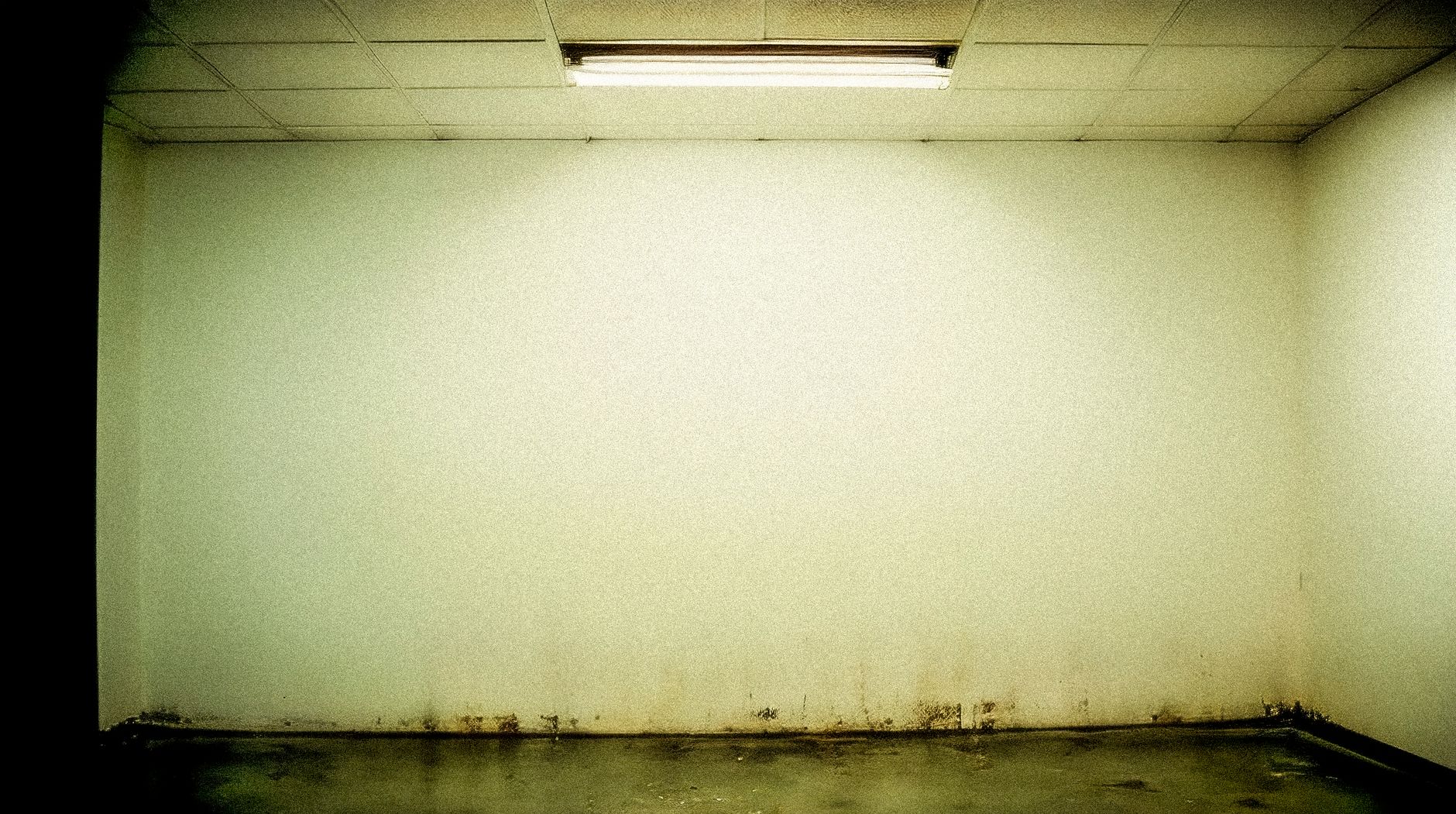
- Water Stains: Look for brown or yellow stains on your ceilings, walls, or floors—these are often signs of water damage.
- Musty Odors: A persistent damp smell can suggest mold growth due to hidden leaks.
- Unexplained Dampness: Check areas that feel unusually wet, particularly around appliances like your dishwasher or washing machine.
Tools for Detecting Plumbing Leaks
While some leaks are easy to spot, others require a bit more investigation. Here are some tools and methods you can use:
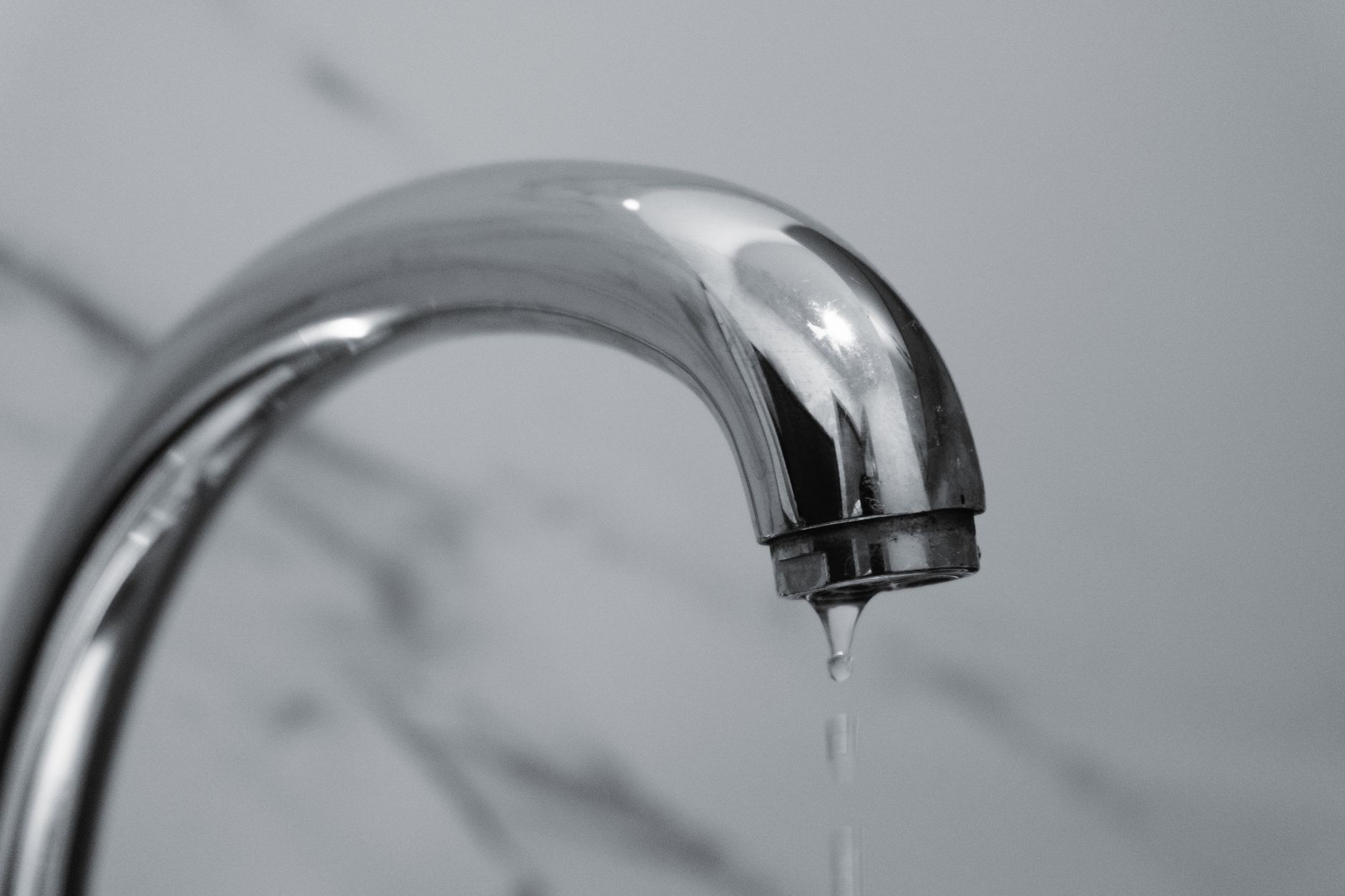
1. Water Meter Check: One of the simplest methods to detect a leak is to monitor your water meter. Turn off all your faucets and appliances for a few hours, then check the meter. If it has moved, you likely have a leak.
2. Acoustic Leak Detection: Professional plumbers often use acoustic devices to listen for leaks in pipes behind walls or underground.
3. Infrared Thermography: This technology can identify temperature variations in walls, which may indicate moisture and potential leaks.
When to Call a Professional
While some homeowners may feel comfortable tackling minor repairs, there are situations where calling a professional is crucial. If you detect a leak and cannot locate its source, if the leak is substantial, or if it’s causing significant water damage, it’s time to reach out to a plumber. They have the tools and expertise to assess the situation and implement the necessary repairs.
For emergency situations, don’t hesitate to contact an emergency plumber. They can provide immediate assistance and help mitigate further damage.
Preventive Measures
Detecting leaks is essential, but prevention is the best strategy. Make a habit of inspecting your plumbing systems regularly:
- Check under sinks for any signs of moisture or leaks.
- Inspect your appliances, like dishwashers and washing machines, for wear and tear.
- Ensure that your water heater is functioning correctly and that there are no leaks around its connections.
Taking these proactive steps can save you time and money down the line.
If you’re facing significant water damage or need assistance with restoration, consider reaching out to Broward Restoration Pros. They specialize in water damage restoration and can help you get your home back to its original condition.
Conclusion
Being vigilant about plumbing leaks in your Broward home is essential for maintaining a safe and healthy living environment. By understanding the common signs of leaks and utilizing the right tools, you can catch issues early and minimize damage. Remember, when in doubt, it’s always best to consult a professional to handle the complexities of plumbing repairs.
For more insights on home safety and inspections, check out this informative article on how to conduct a post-disaster safety inspection for your Broward home.