
How To Choose The Right Plumbing Material For Your Broward Home
Choosing the right plumbing material for your home can feel overwhelming, especially with the myriad options available. Whether you're renovating your bathroom or replacing pipes due to a leak, the material you choose will significantly impact your plumbing system's longevity and efficiency. Understanding your options can save you money and headaches in the long run.
In Broward County, where humidity and weather conditions can affect plumbing, it's essential to select materials that can withstand these challenges. Let’s explore some popular plumbing materials, their pros and cons, and when to call a professional.
Common Plumbing Materials
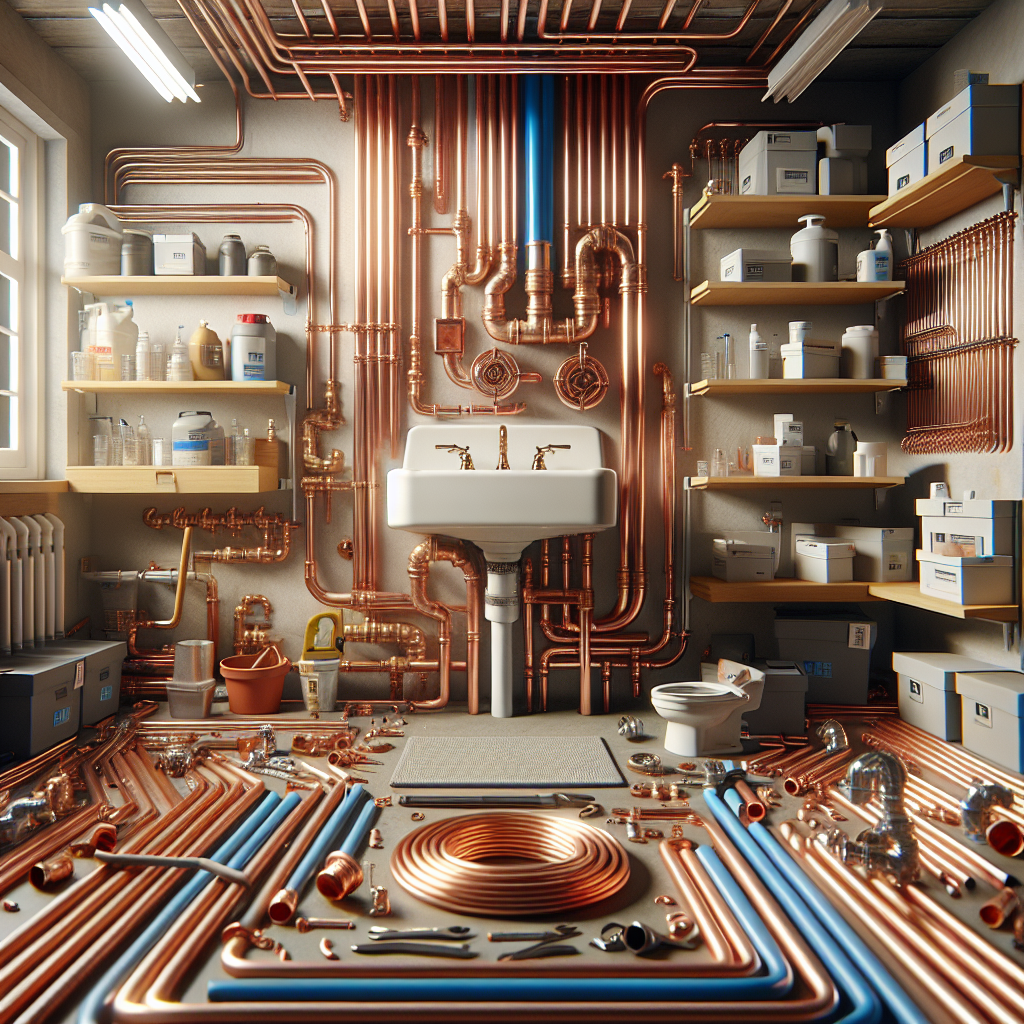
Here are some of the most common plumbing materials used in residential homes:
- CPVC (Chlorinated Polyvinyl Chloride): This is a popular choice for hot and cold water lines. CPVC is resistant to corrosion and can handle high temperatures, making it ideal for residential plumbing.
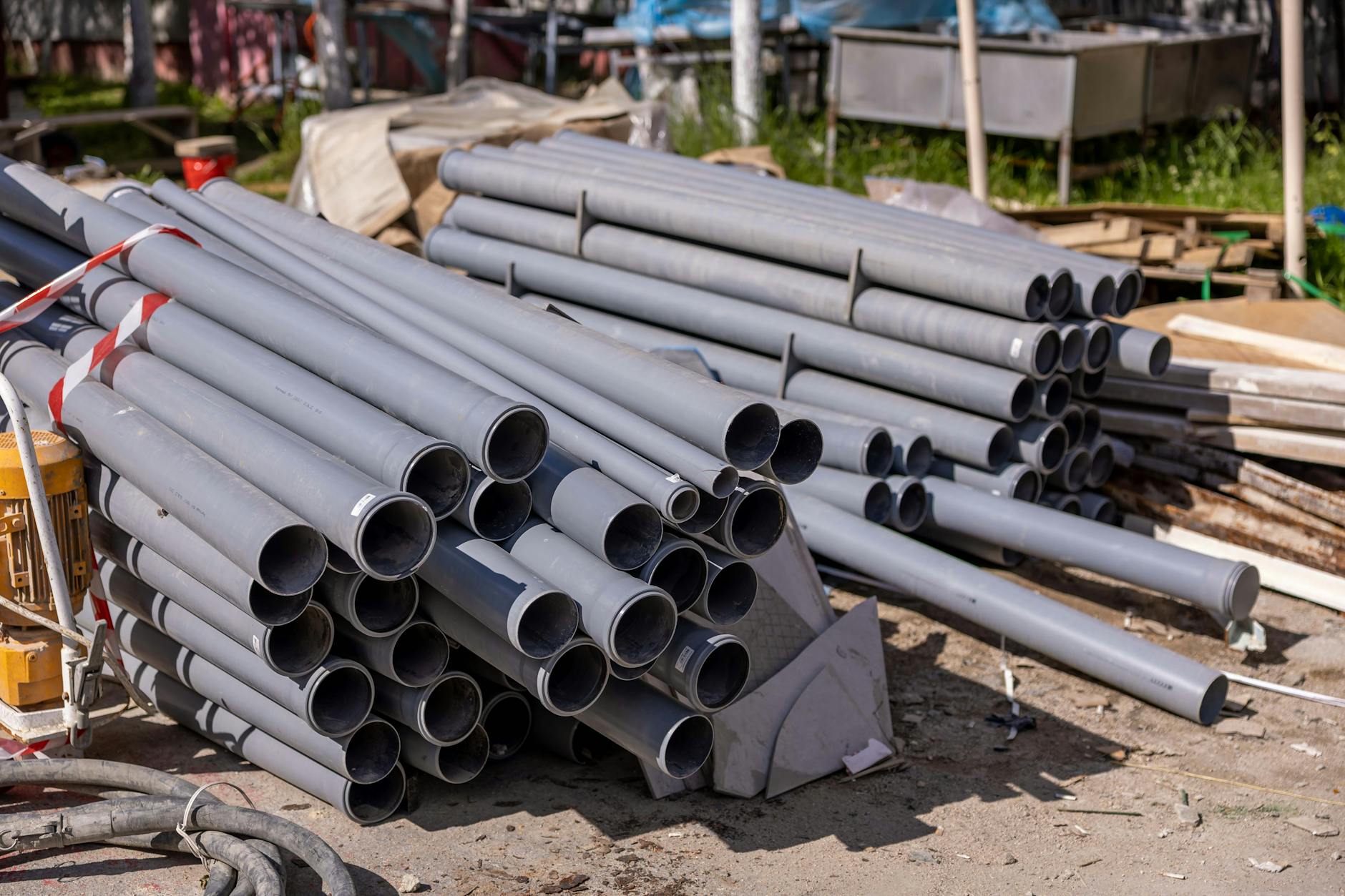
- PVC (Polyvinyl Chloride): Typically used for drain, waste, and vent pipes, PVC is lightweight and affordable. However, it is not suitable for hot water.
- PEX (Cross-Linked Polyethylene): PEX has gained popularity due to its flexibility, resistance to scale and chlorine, and ease of installation. It’s suitable for both hot and cold water lines.
- Galvanized Steel: Once a common choice, galvanized steel is prone to rust and corrosion over time. Many homeowners are now replacing it with more modern materials.
- Copper: Known for its durability and resistance to bacteria, copper is a reliable choice. However, it can be more expensive than other options and may be prone to corrosion in certain water conditions.
Factors to Consider When Choosing Plumbing Materials
When selecting plumbing materials, consider the following factors:
- Budget: Different materials come with varying price tags. Determine your budget before getting started.
- Local Building Codes: Always check local regulations, as some materials may not be permitted in certain areas.
- Water Quality: The quality of your water can affect the longevity of your plumbing materials. For instance, acidic water can corrode metal pipes.
- Installation Ease: Some materials are easier to install than others, which can save on labor costs.
When to Call a Professional
Even the most seasoned DIYers can run into difficulties when it comes to plumbing. If you're unsure about what materials to use or how to install them properly, it's wise to consult a professional. A qualified plumber can provide guidance based on your specific needs and local codes. If you're dealing with a plumbing emergency, call a plumber right away to prevent further damage.
For example, if you're facing a sudden pipe leak or a burst pipe, the urgency of the situation demands immediate attention. Broward Restoration Pros offers 24-hour water damage restoration services to help mitigate damage caused by plumbing issues.
Conclusion
Choosing the right plumbing material for your Broward home is crucial for ensuring the efficiency and longevity of your plumbing system. By understanding the various options available and considering the factors that affect your choice, you can make an informed decision that suits your home's needs. And remember, when in doubt, don’t hesitate to reach out to a professional for help. For additional information and tips on home maintenance, check out this article on how to prepare your Broward home for unexpected mold growth after flooding.