How To Address Plumbing Issues From Broward County's Unique Soil Types
Living in Broward County means you're surrounded by beautiful landscapes and vibrant communities, but it also comes with its own set of plumbing challenges due to the unique soil types in the area. As a homeowner, understanding how these soil characteristics can affect your plumbing system is crucial for maintaining a healthy home. Whether you’re dealing with a slow leak or a more serious plumbing emergency, knowing how to address these issues can save you time, money, and stress.
Understanding Broward County's Soil Types
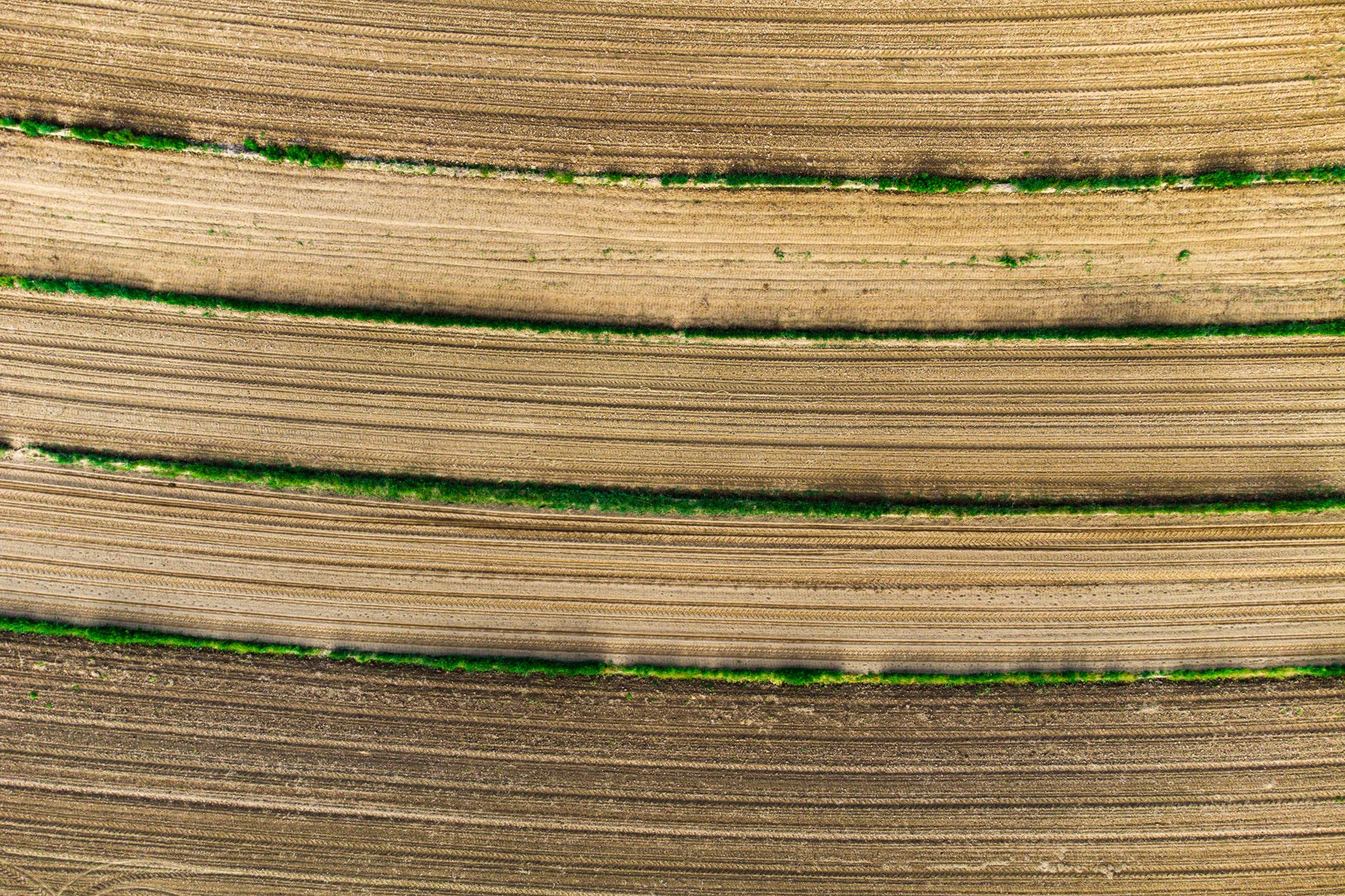
Broward County's soil primarily consists of sandy loam and limestone, both of which have specific properties that impact plumbing. Sandy soils drain quickly, which can lead to issues such as root intrusion in pipes, while limestone can be more stable but may cause problems like slab leaks if the ground shifts. Understanding these types can help you anticipate potential plumbing issues before they escalate.
Common Plumbing Issues Related to Soil Types
Due to the unique soil conditions in Broward County, homeowners often face a variety of plumbing problems. Here are some common issues:
- Slab Leaks: These occur when water pipes underneath your foundation develop leaks. This is particularly common in areas with shifting soil.
- Pipe Bursts: Fluctuating temperatures and soil movement can cause pipes to burst, leading to significant water damage.
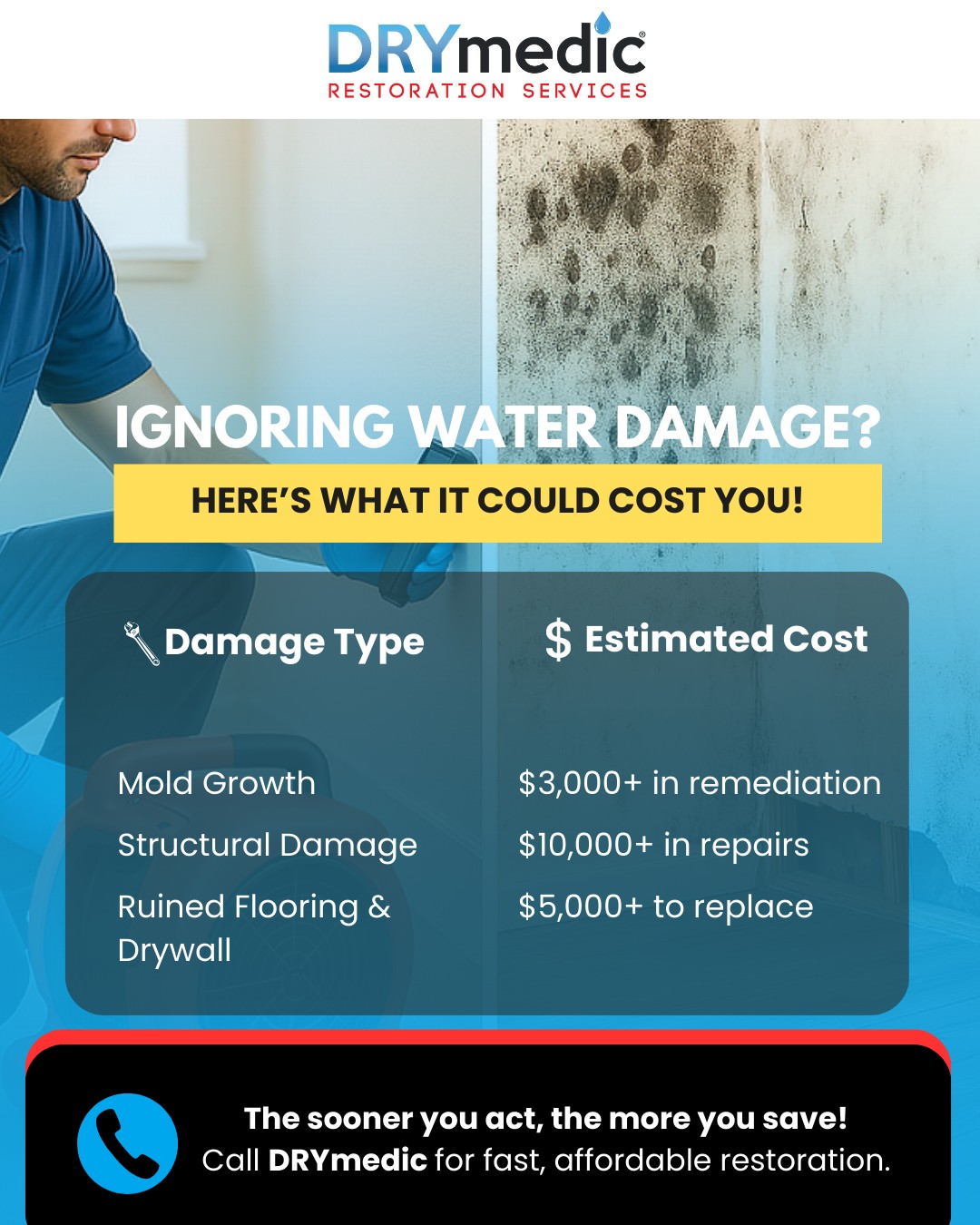
- Drainage Problems: Poor drainage can lead to standing water around your home, which can seep into your foundation and cause mold growth.
Identifying Signs of Plumbing Issues
Early detection is key when it comes to addressing plumbing issues. Look for these signs:
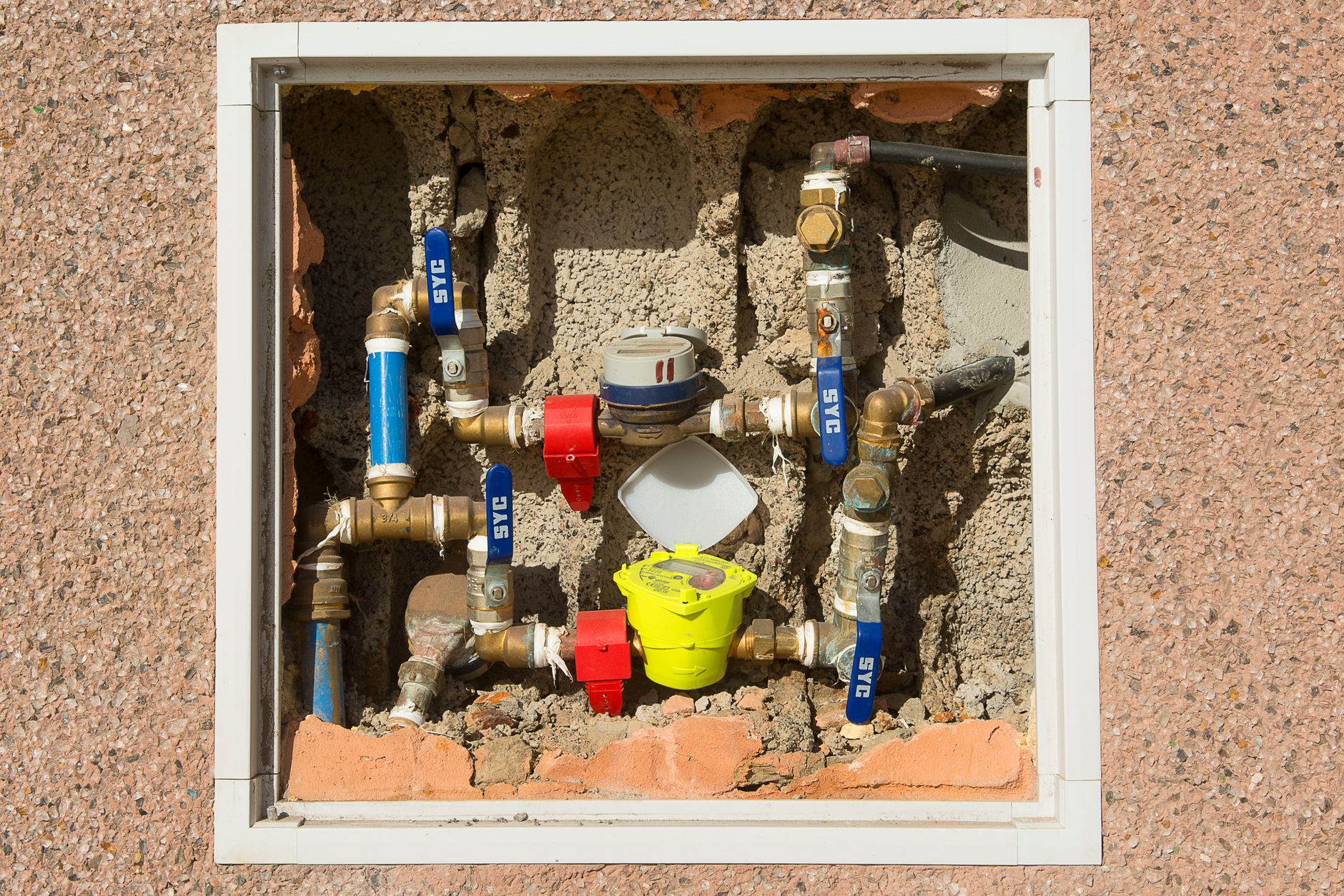
- Increased water bills without explanation
- Wet spots or water stains on walls or ceilings
- Mold growth in areas where moisture is present
If you notice any of these signs, it’s important to act quickly. Ignoring the problem can lead to more extensive damage and costly repairs.
When to Call a Professional
While some minor plumbing issues can be handled with DIY solutions, many problems require the expertise of a professional plumber. If you encounter problems such as major leaks or persistent drainage issues, it’s time to call a plumber. They have the necessary tools and experience to accurately diagnose the issue and provide effective solutions.
Preventive Measures for Homeowners
Taking proactive steps can help minimize plumbing issues related to Broward County's soil types:
- Regularly inspect your plumbing system for leaks and signs of wear.
- Invest in professional plumbing inspections, especially if your home is older.
- Consider water leak detection services to catch hidden leaks early.
Implementing these measures can save you from more significant issues down the line. For professional assistance, you can visit Broward Restoration Pros for water damage restoration services.
Conclusion
Addressing plumbing issues in Broward County requires a good understanding of the local soil conditions and how they affect your plumbing system. By staying vigilant and knowing when to call a professional, you can protect your home from potential damage. For more tips on safeguarding your home, check out this helpful article on safeguarding your Broward home from water damage. Remember, the sooner you address plumbing problems, the less impact they’ll have on your home.