How Broward Homeowners Can Optimize Plumbing for Energy Efficiency
As Broward homeowners, you’re likely always looking for ways to cut costs, improve your home’s eco-friendliness, and enhance overall comfort. One area often overlooked is plumbing, which can significantly impact your energy bills and environmental footprint. Optimizing your plumbing for energy efficiency not only saves you money but also contributes to a sustainable future.
Imagine opening your water bill and noticing it’s lower than last month’s. Or picture a home where your plumbing system contributes positively to the environment rather than draining resources. The good news is that with a few adjustments and proactive measures, you can achieve both.
Understanding Energy Efficiency in Plumbing
Energy efficiency in plumbing refers to using less water and energy to achieve the same results. This can involve everything from choosing the right appliances to maintaining your plumbing system effectively. Even the smallest changes can lead to substantial savings, especially in a warm climate like Broward’s, where efficient water use is crucial.
Upgrade to Energy-Efficient Fixtures
One of the most effective ways to enhance your plumbing's energy efficiency is to upgrade to water-efficient fixtures. Look for low-flow faucets, showerheads, and toilets that are designed to use less water without sacrificing performance. For instance, Energy Star-rated appliances can significantly reduce water usage while providing the same functionality.
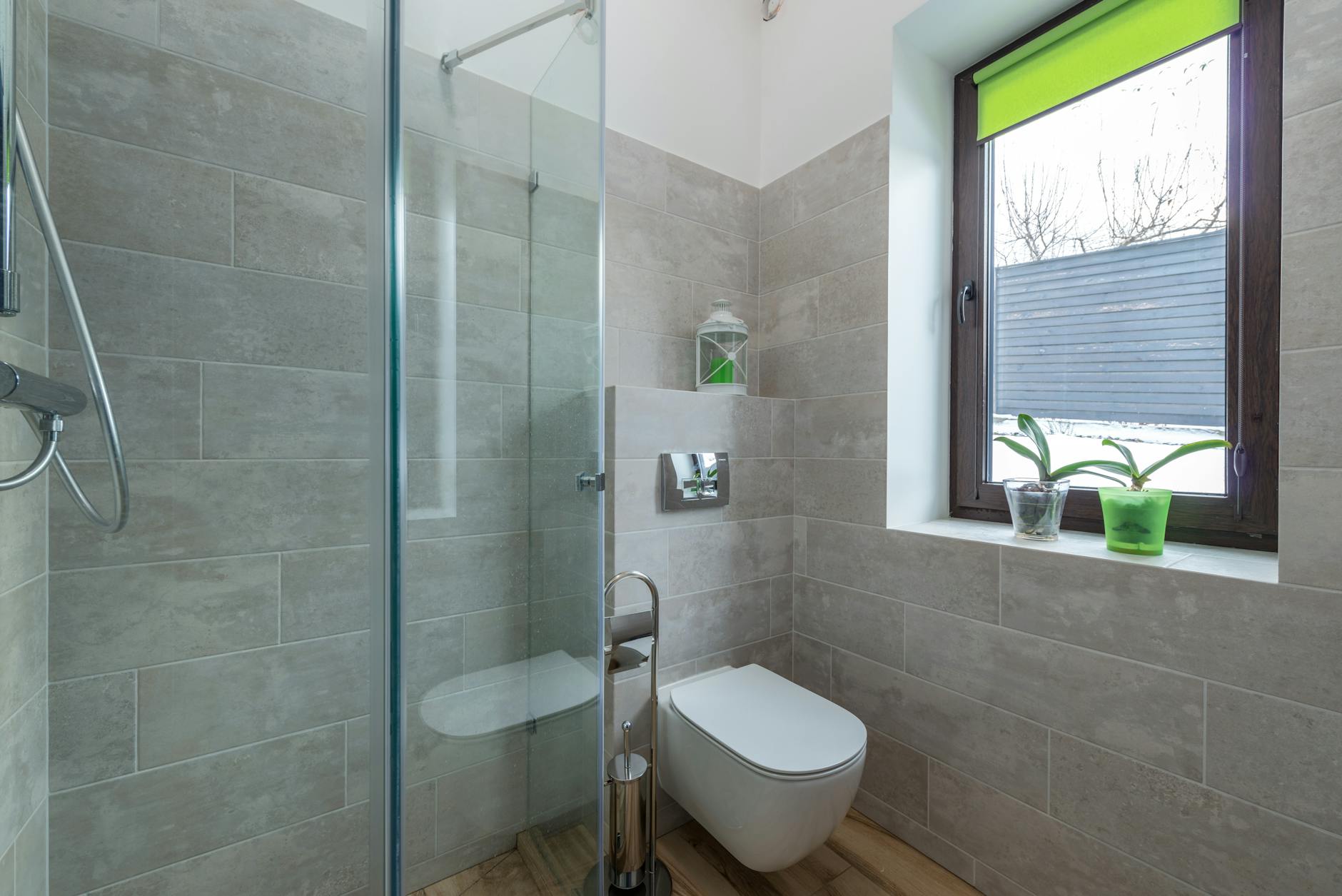
When selecting new fixtures, consider the following options:
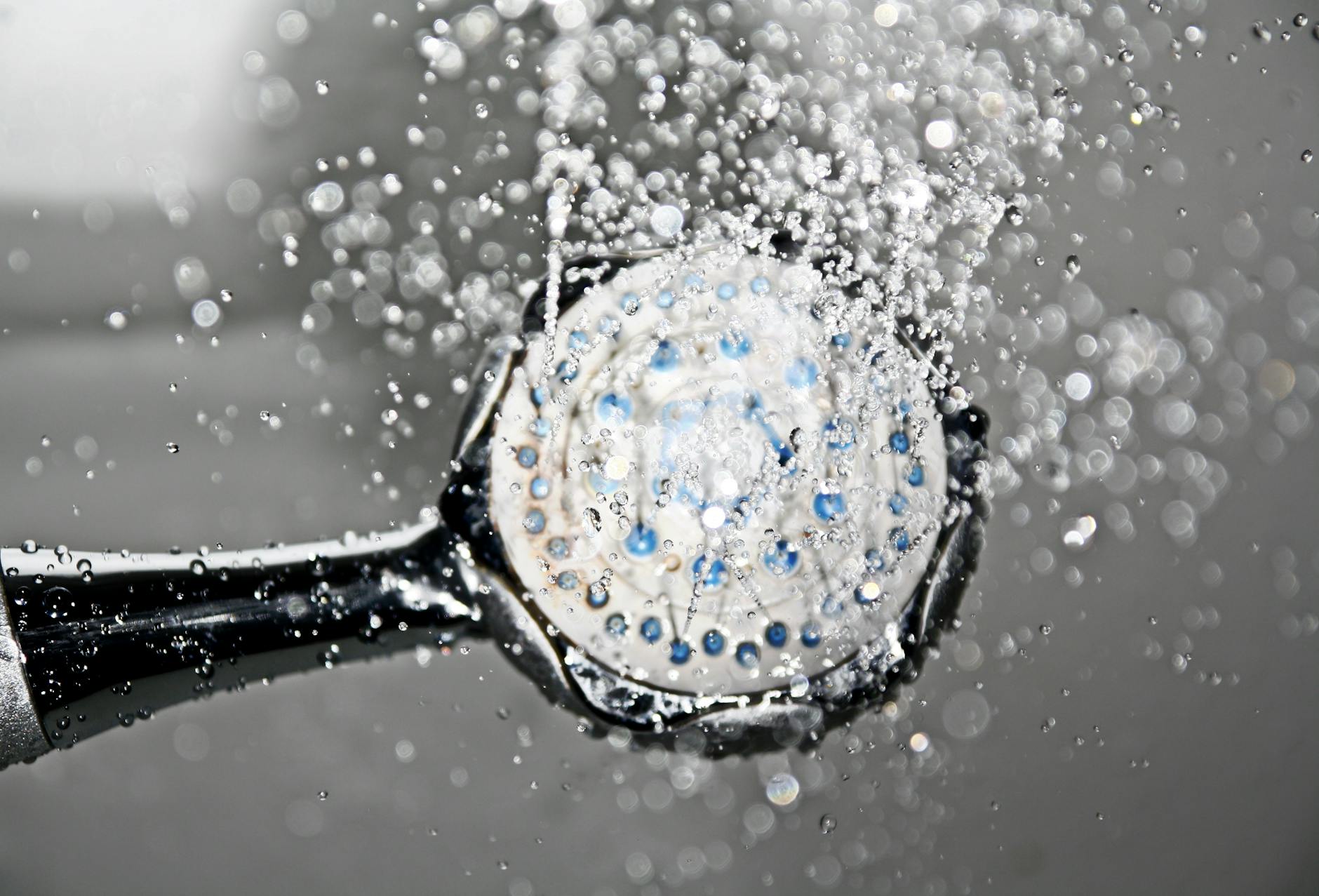
- Low-flow showerheads: These can reduce water flow to less than 2.5 gallons per minute, saving both water and energy.
- Dual-flush toilets: These allow you to choose between a full flush for solid waste and a partial flush for liquid waste, reducing unnecessary water use.
- Smart irrigation systems: If you have a sprinkler system, smart controllers can optimize watering schedules based on weather data.
Regular Maintenance is Key
Another vital component of energy-efficient plumbing is regular maintenance. By keeping your plumbing system in good condition, you can prevent leaks and inefficiencies that can lead to increased water and energy consumption.
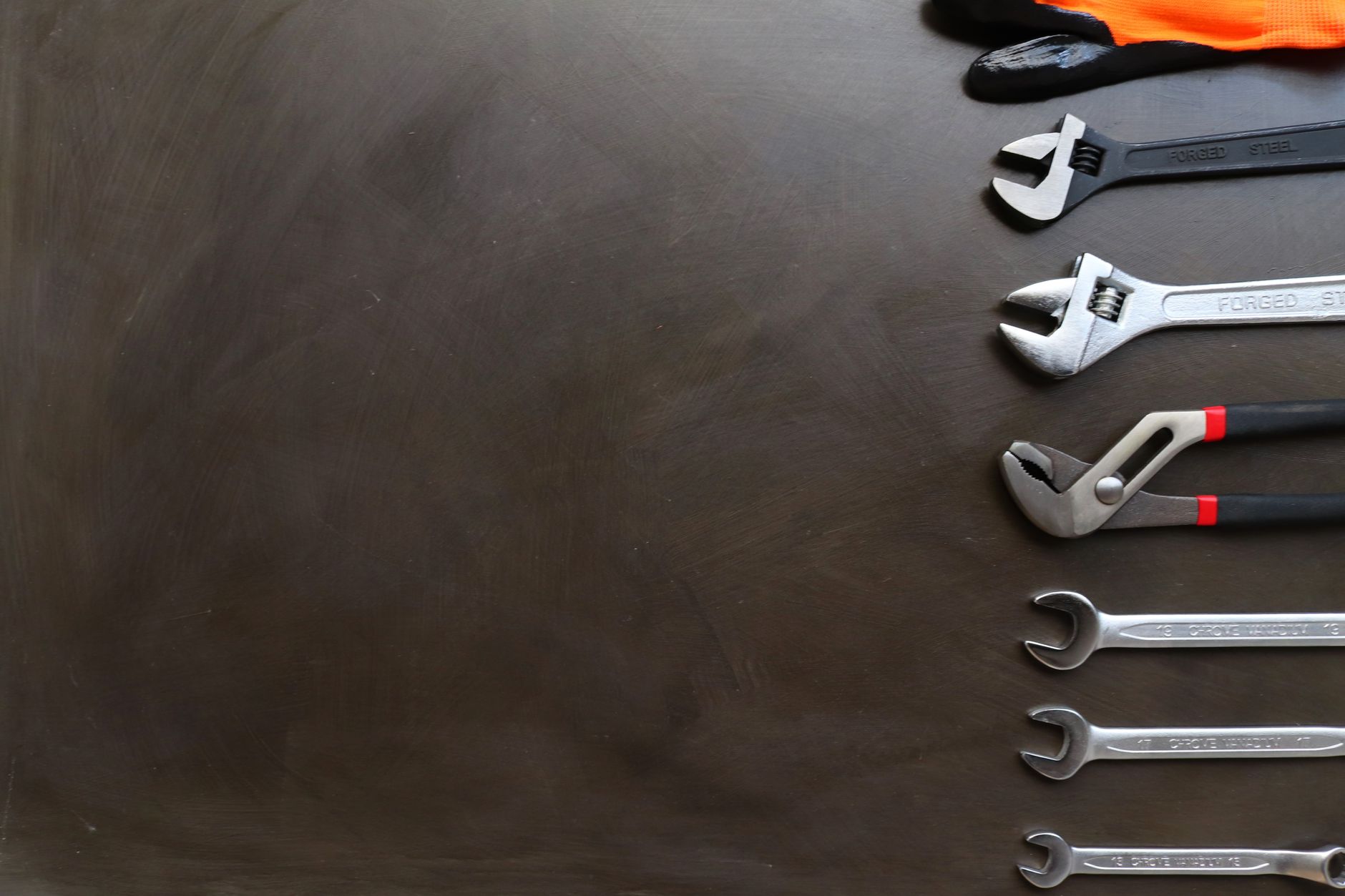
Consider scheduling annual plumbing inspections to catch potential issues early. Look out for signs such as:
- Unexplained increases in your water bill
- Water spots on walls or ceilings
- Low water pressure
Addressing these issues promptly can save you money and reduce your home's environmental impact. If you suspect a leak, don’t hesitate to call a plumber for professional help.
Insulate Your Pipes
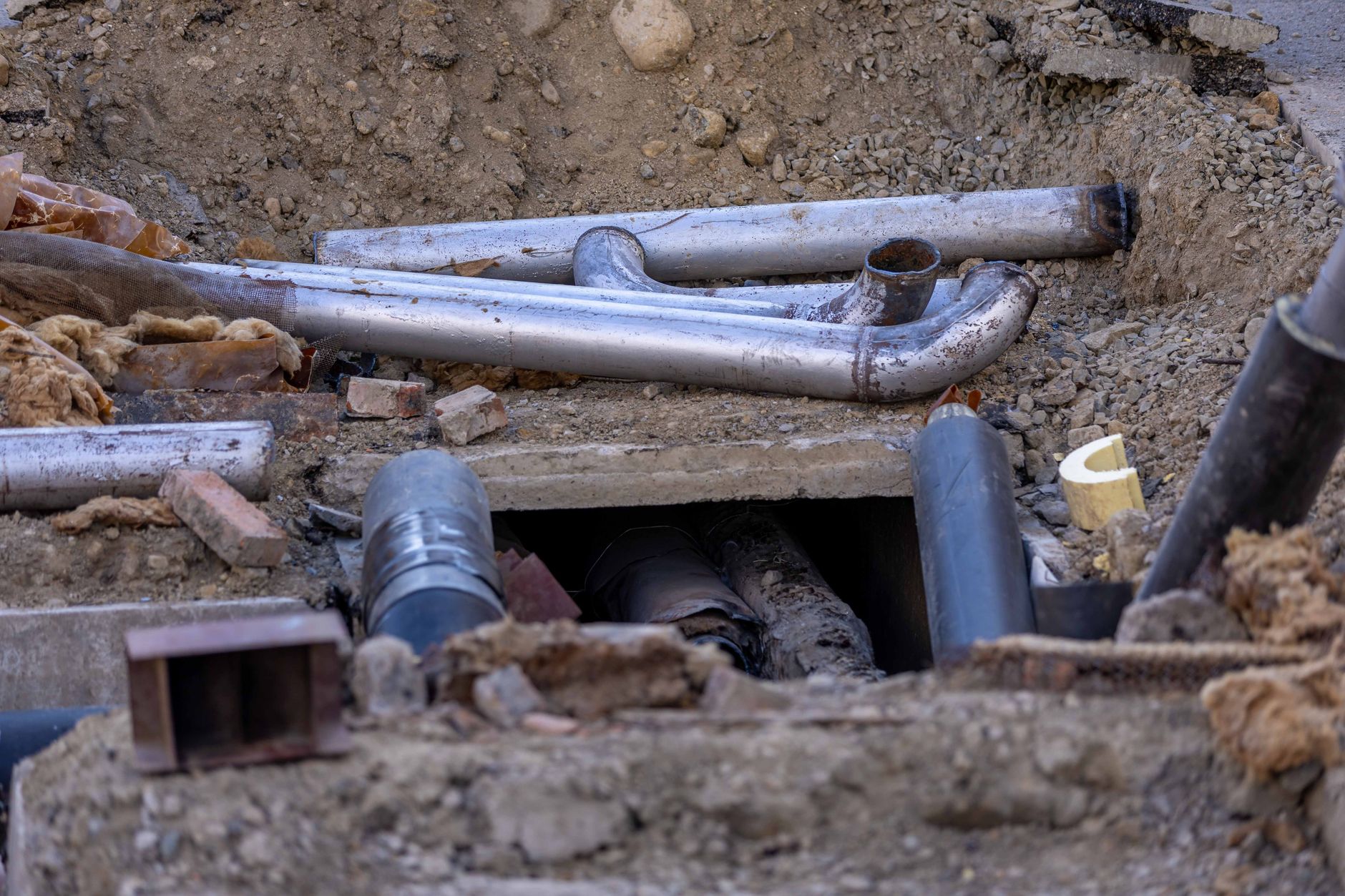
Insulating your hot water pipes is another effective way to improve energy efficiency. By minimizing heat loss, your water heater won't have to work as hard to maintain the desired temperature, leading to lower energy usage. Foam pipe insulation is an easy and affordable solution that can be applied to both hot and cold water lines.
When to Call a Professional
While many of these strategies can be implemented as DIY projects, there are times when calling a professional is the best course of action. If you’re dealing with major plumbing issues, or if you're unsure how to proceed with your upgrades, it’s wise to consult with an experienced plumber. They can offer insights tailored to your home's specific needs and help you navigate the various options available.
Additionally, if you experience any plumbing emergencies—such as a burst pipe or severe leak—don’t hesitate to reach out to a reliable service like Broward Restoration Pros, who can assist with immediate concerns and prevent further damage.
Conclusion
In conclusion, optimizing your plumbing for energy efficiency is a win-win for Broward homeowners. It not only reduces your household expenses but also supports a healthier environment. By upgrading fixtures, maintaining your plumbing system, and considering professional help when needed, you can make significant strides towards an energy-efficient home. For more insights on home maintenance, check out this helpful blog article on preventing mold growth after water damage.