Essential Plumbing Considerations For Broward County's Multi-Unit Dwellings
Living in a multi-unit dwelling in Broward County presents unique plumbing challenges that homeowners must navigate. Whether you're an owner or a tenant, understanding the essentials can save you time, stress, and money. Imagine waking up to a ceiling leak, only to find it’s affecting not just your unit but others as well. In such cases, knowing how to respond effectively is crucial.
Multi-unit dwellings often share plumbing systems, which can lead to complications. A single plumbing issue can cascade into a broader problem affecting neighbors. Hence, being proactive and aware of your plumbing system is imperative. Here are some essential plumbing considerations to keep in mind.

Common Plumbing Issues in Multi-Unit Dwellings
The plumbing in multi-unit buildings is more complex than in single-family homes. Here are some common issues to look out for:
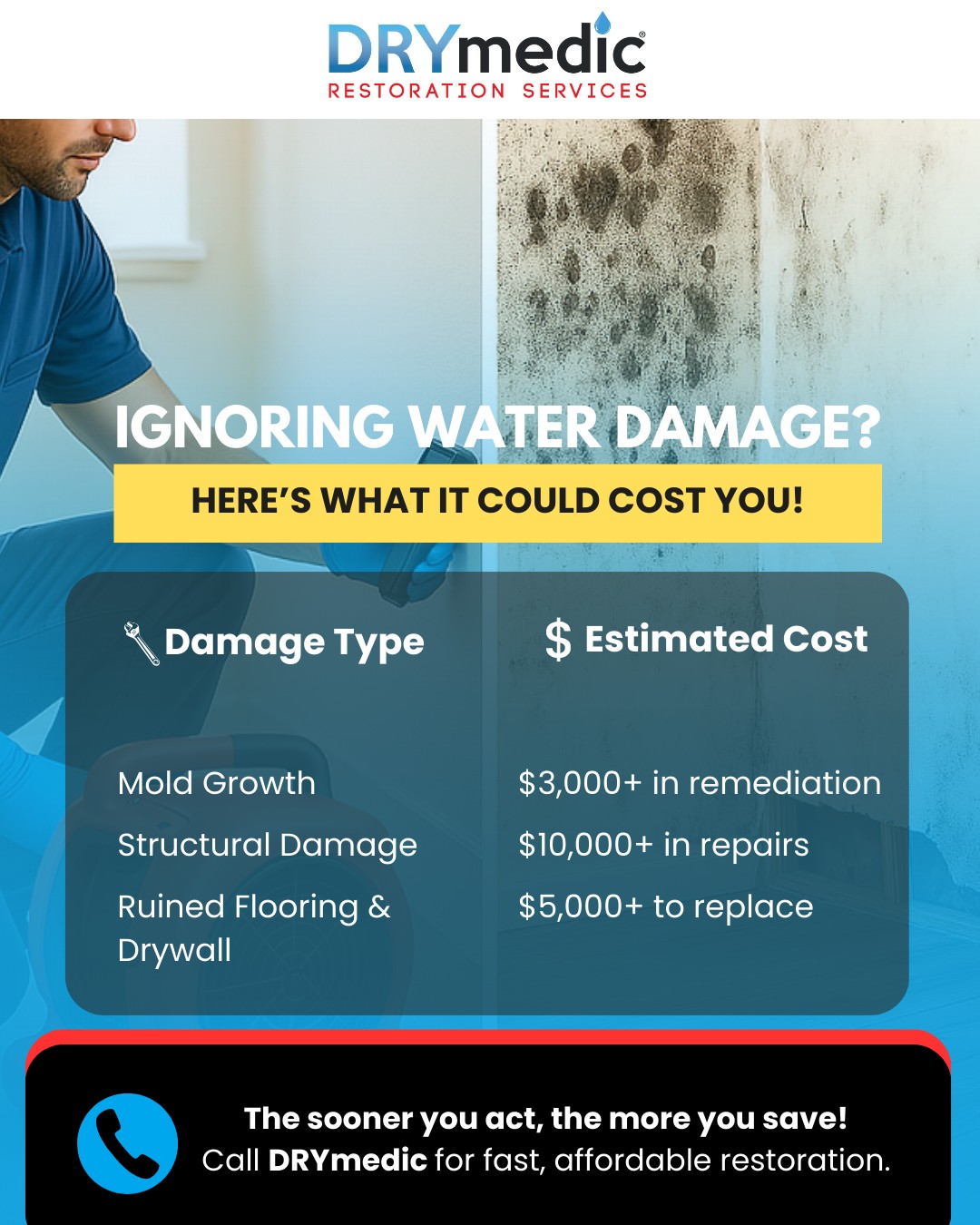
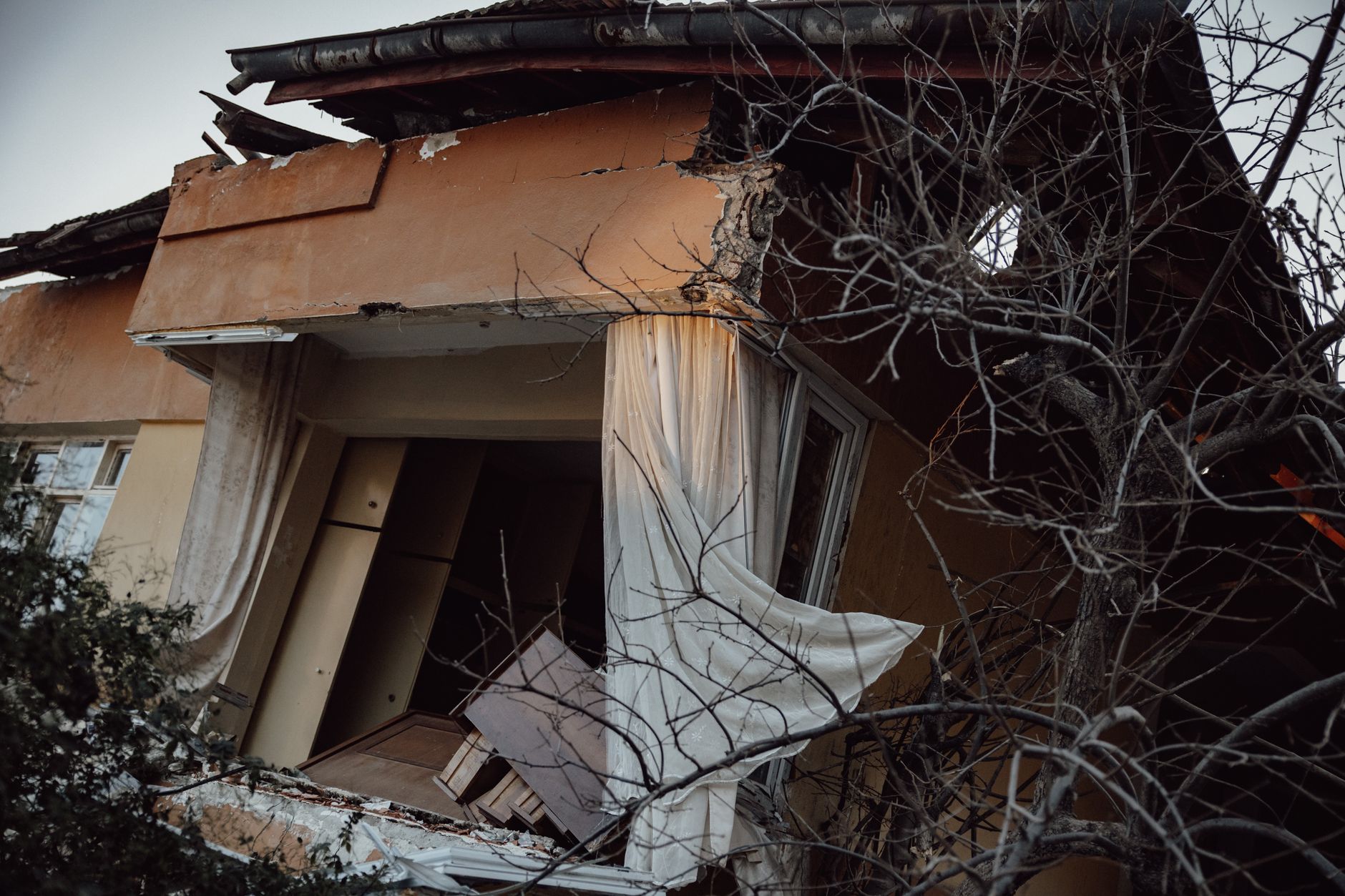
- Water Leaks: Leaks can occur in shared walls, ceilings, or floors. These can lead to significant water damage and mold growth if not addressed promptly.
- Drain Backups: Shared drainage systems can get clogged, causing backups that affect multiple units. Regular maintenance is key to preventing this.
- Hot Water Supply Issues: If the water heater is shared, hot water availability can fluctuate, especially during peak usage times.
Preventing Plumbing Disasters
Preventive measures can save residents from costly repairs and damages. Regular inspections and being aware of the signs of plumbing issues are vital. Here are a few tips:
- Conduct regular checks for leaks, especially in common areas.
- Ensure that all tenants know how to shut off the water supply in emergencies.
- Install leak detection systems for early warning.
For owners, investing in professional plumbing inspections can help catch problems before they escalate. It’s always a good idea to consult with experts who can provide leak detection services tailored for multi-unit structures.
When to Call a Professional
While some plumbing issues can be handled with DIY solutions, there are times when professional help is necessary. If you notice any of the following, it’s time to call a plumber:
- Persistent leaks that worsen over time.
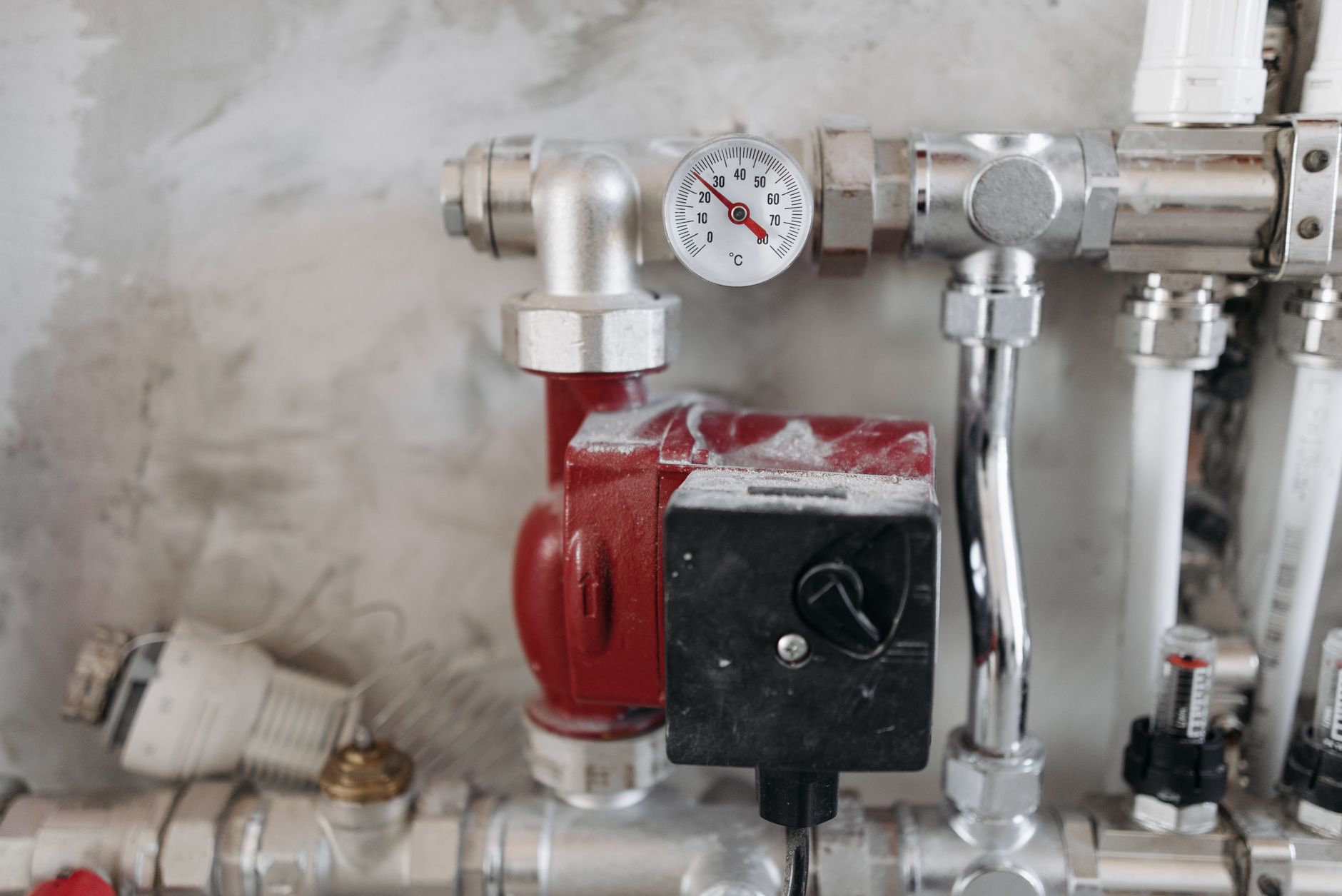
- Unusual water pressure changes.
- Multiple units experiencing plumbing issues simultaneously.
In Broward County, residents can rely on emergency plumbing services for immediate assistance. Quick action can prevent further damage and costly repairs.
Understanding Your Responsibilities
In multi-unit dwellings, it's crucial to understand your responsibilities regarding plumbing issues. Often, the building management is responsible for maintaining the plumbing system. However, individual homeowners may need to manage issues within their units. Be sure to communicate with your property management about any plumbing concerns to ensure they are addressed.
Additionally, understanding your insurance coverage is vital. Some plumbing issues might be covered under your policy. If you experience significant water damage, knowing how to file a claim can alleviate some of the financial burden. For more information, check out our guide on water leaks and hidden damage.
Partner Services
In the event of a plumbing disaster, quick restoration is essential. Consider reaching out to Broward Restoration Pros for help. They offer 24-hour water damage restoration services that can help mitigate damage and restore your home to its original condition.
For those interested in maintaining a mold-free environment, be sure to read up on the essential considerations for mold remediation. This can be particularly beneficial in preventing long-term damage from plumbing leaks.
Conclusion
Understanding the plumbing dynamics in multi-unit dwellings is essential for keeping your home safe and functional. By being proactive and aware of potential problems, you can prevent significant issues down the line. Remember, when in doubt, don’t hesitate to call a professional. It’s better to be safe than sorry when it comes to plumbing!