How To Ensure Your Plumbing Can Handle Broward County's Heavy Rainfall
As a homeowner in Broward County, you’re no stranger to the heavy rainfall that can sweep through the region, especially during hurricane season. You might have experienced the anxiety that comes with worrying about water damage and plumbing issues when the skies open up, and it’s natural to want to protect your home from these potential disasters. In this article, we’ll discuss practical ways to ensure your plumbing system can handle the torrential downpours that come with living in this beautiful but sometimes stormy area.
Understanding the Risks of Heavy Rainfall
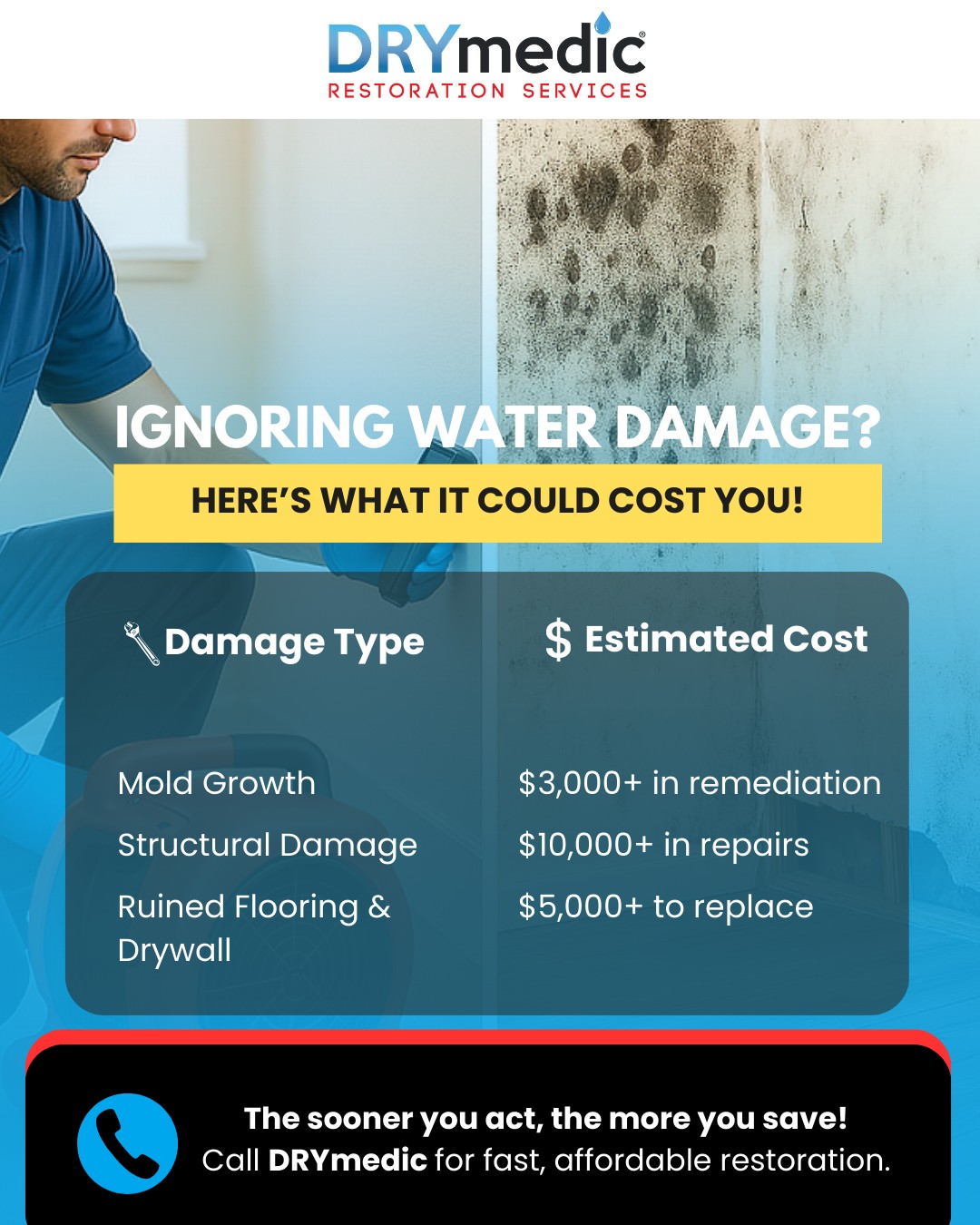
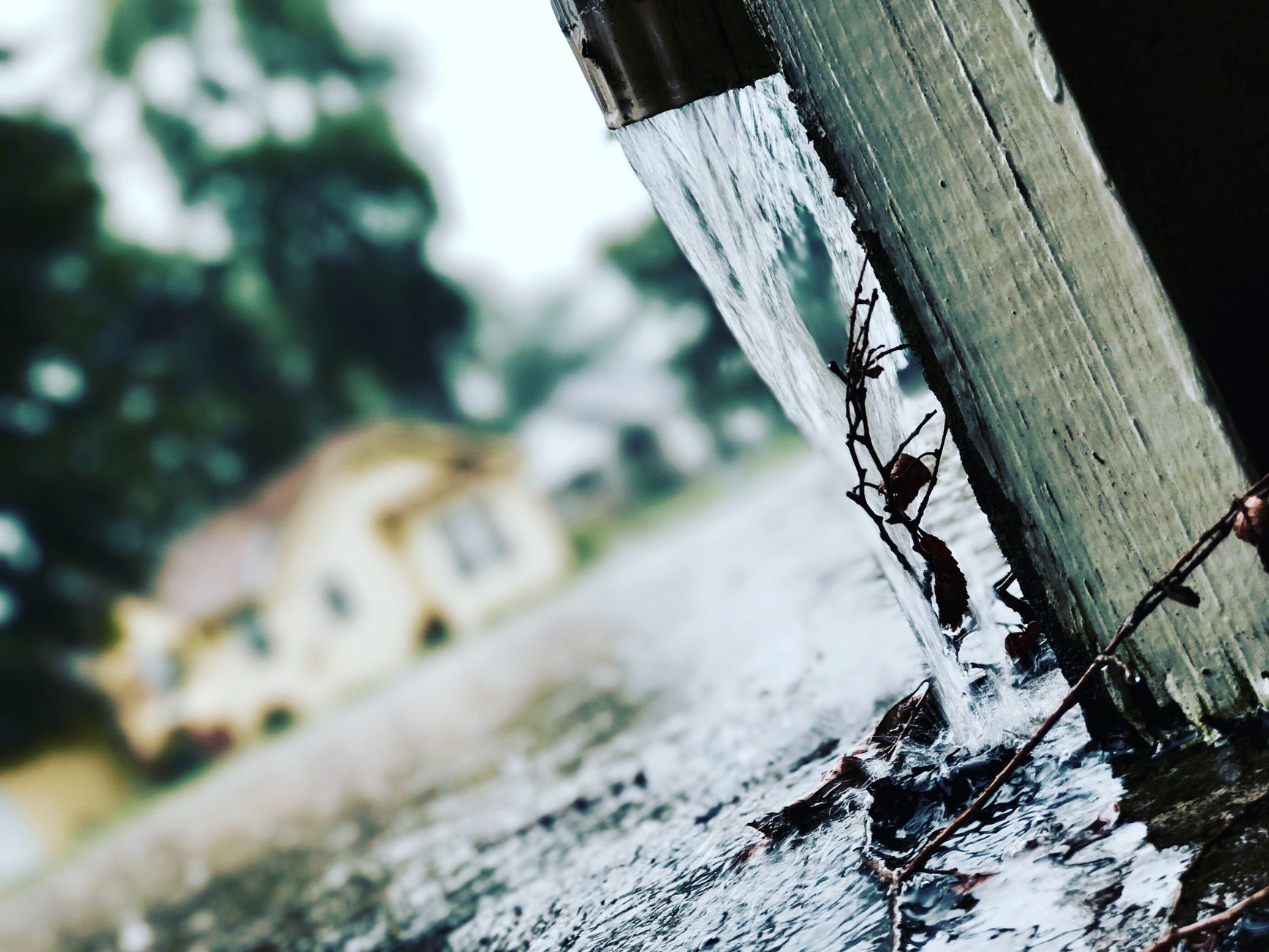
Heavy rainfall can pose several risks to your plumbing system. The sheer volume of water can overwhelm drainage systems, lead to sewer backups, and create conditions ripe for flooding. These scenarios can lead to significant water damage, which can be costly and stressful to deal with. One of the most common issues that arises during heavy rain is a clogged drain or overflowing pipe, which can cause water to back up into your home, damaging floors, walls, and your cherished belongings.
Assessing Your Plumbing System
Before the next storm hits, it's essential to assess your plumbing system. Here are some steps to take:
- Check for leaks: Inspect your pipes for any visible cracks or leaks. Even a small leak can worsen during heavy rains.
- Inspect your sump pump: If you have a sump pump, ensure it’s working correctly. Test it by pouring water into the sump pit to see if it activates.
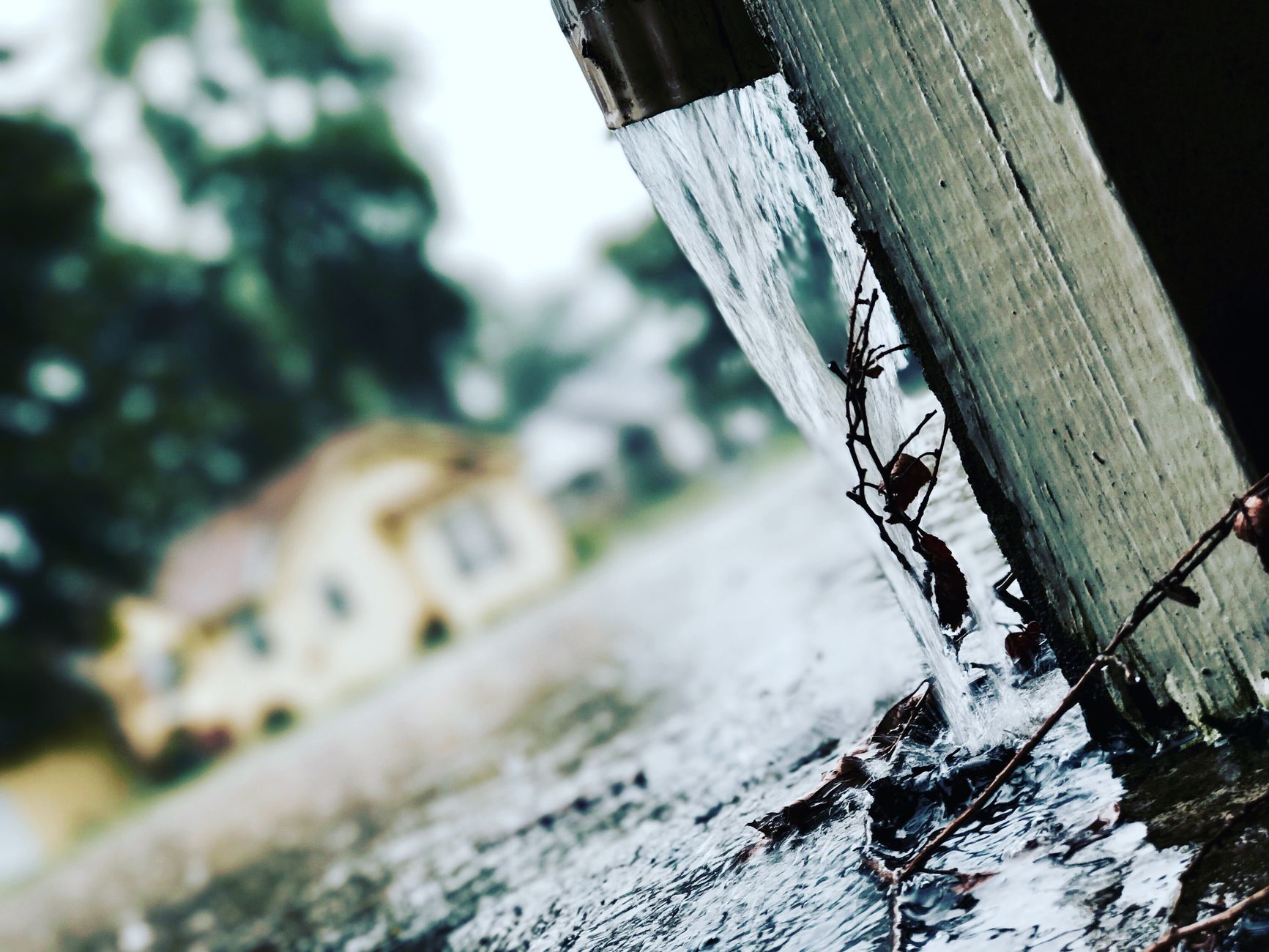
- Clean gutters and downspouts: Ensure that your gutters are clear of debris to allow for proper drainage. Clogged gutters can lead to water overflow, which may seep into your foundation.
Preparing for Heavy Rainfall
Preparation is key when it comes to protecting your plumbing system from heavy rains. Here are some strategies you can employ:
- Install backflow preventers: These devices can help prevent sewer water from backing up into your home during heavy rainfall.
- Maintain proper grading: Ensure that the landscape around your home slopes away from the foundation to direct rainwater away from your plumbing.
- Consider flood barriers: In areas prone to flooding, installing flood barriers can be a proactive measure to protect your home.
Know When to Call a Professional
Even with the best preparations, there may be times when you need professional help. If you notice signs of plumbing issues, such as slow drains, unusual sounds, or water pooling, it’s wise to call a plumber immediately. Ignoring these signs can lead to more severe issues down the road.
Post-Storm Checks
After a heavy rain, it’s crucial to check your plumbing system again. Look for:
- Signs of water damage, such as stains on ceilings and walls.
- Unusual odors or dampness in areas like basements or crawl spaces.
- Pooling water around the foundation or near drainage areas.
If you notice any of these signs, consider leak detection services to identify and address issues before they escalate.
Partnering with Professionals for Restoration
In the unfortunate event that you experience water damage, it’s essential to contact a reliable restoration service. Broward Restoration Pros offers 24-hour water damage restoration to help you recover from floods and plumbing disasters quickly.
Conclusion
Heavy rainfall is a reality in Broward County, but with the right precautions and regular maintenance, you can protect your plumbing system from the worst of it. Make sure to keep an eye on your plumbing, know when to call for help, and don’t hesitate to reach out to professionals for assistance. For more information on preventing issues like mold growth after water damage, check out this helpful article on preventing mold growth.