How To Combat Plumbing Issues From Broward County's Rising Sea Levels
As a homeowner in Broward County, you might have noticed the effects of rising sea levels and how they can impact your plumbing system. The reality is, with climate change causing more severe weather patterns, our homes are increasingly vulnerable to water damage. This article explores how you can combat plumbing issues related to these environmental changes, ensuring your home remains a safe haven.
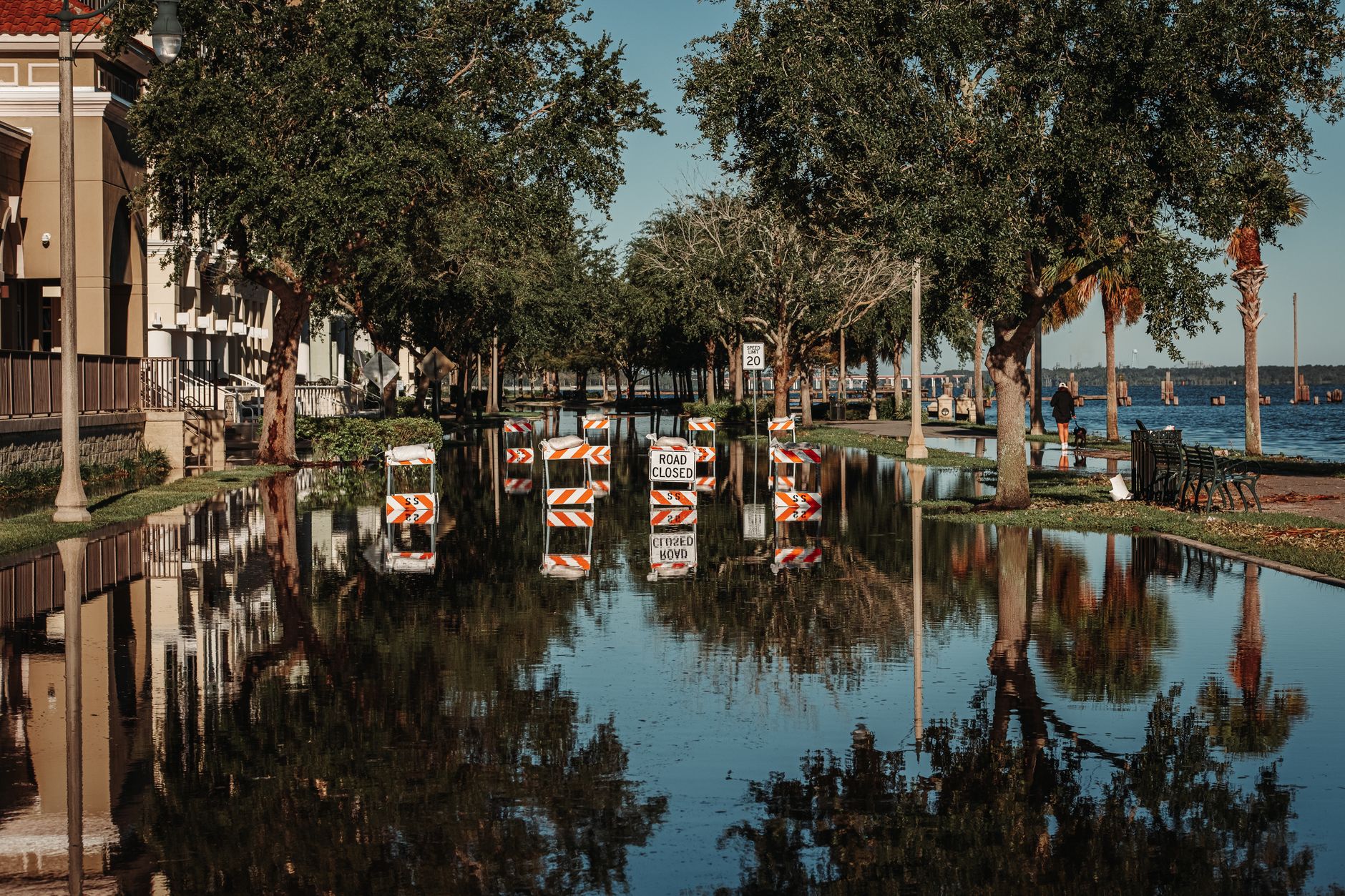
The combination of heavy rains and rising tides can lead to serious plumbing problems. For instance, flooded streets can cause sewage backups, while increased groundwater levels can compromise your home’s foundation. It's essential to be proactive in recognizing the signs of potential plumbing issues, as they can lead to costly repairs if left unaddressed.
Understanding the Risks
Rising sea levels can lead to several plumbing-related challenges:
- Sewage Backups: Heavy rains can overwhelm the sewer systems, leading to backups that can flow into your home.
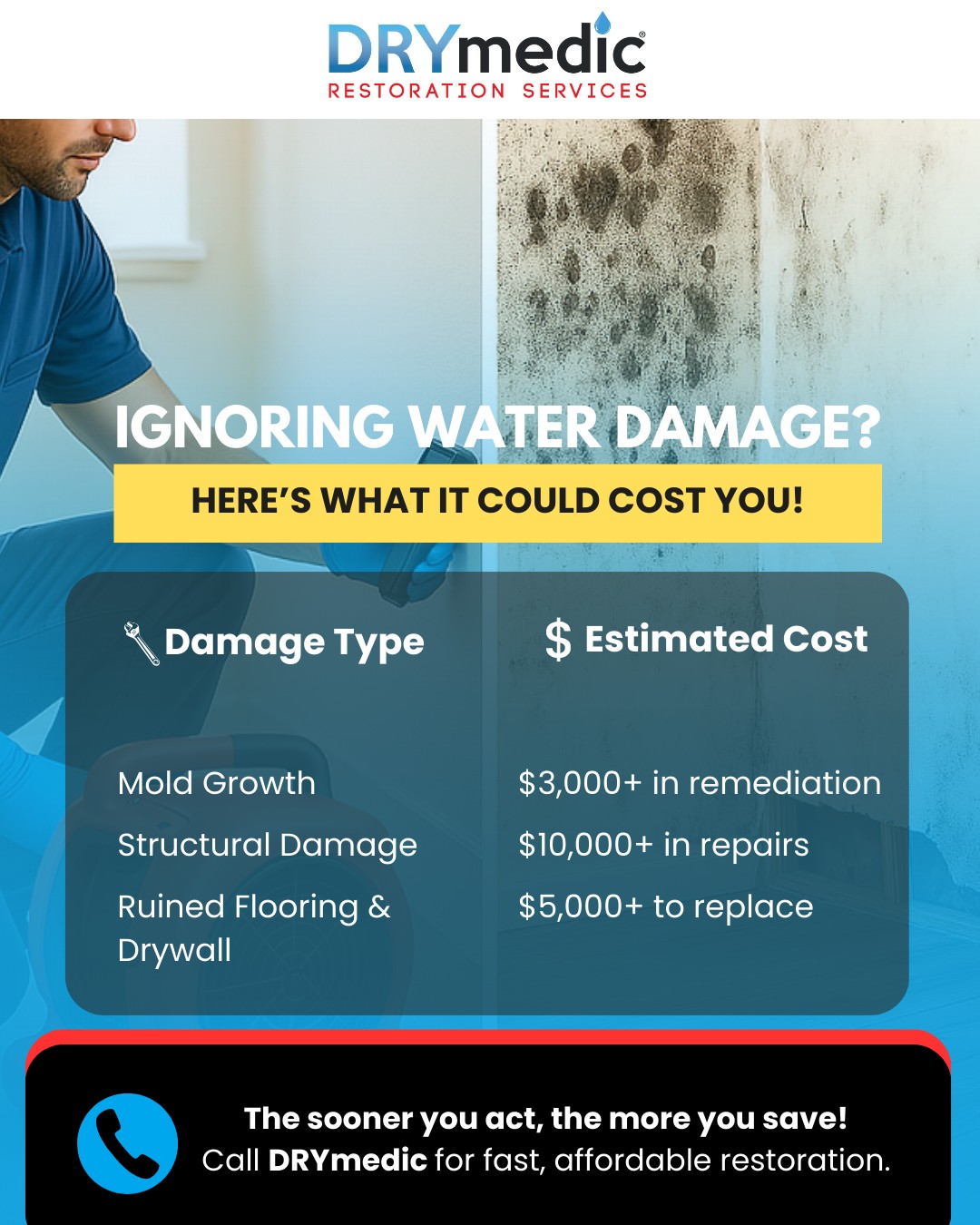
- Flooding: Storm surges can lead to flooding, which poses a risk for water damage and mold growth.
- Foundation Issues: Increased moisture can weaken your home's foundation, leading to cracks and leaks.
It's crucial to understand these risks and how they manifest in your plumbing system. Regular inspections can help identify existing issues before they escalate. If you notice any signs of water damage, such as peeling paint or a musty smell, it’s time to act.
Proactive Measures
To combat plumbing issues from rising sea levels, consider implementing the following proactive measures:
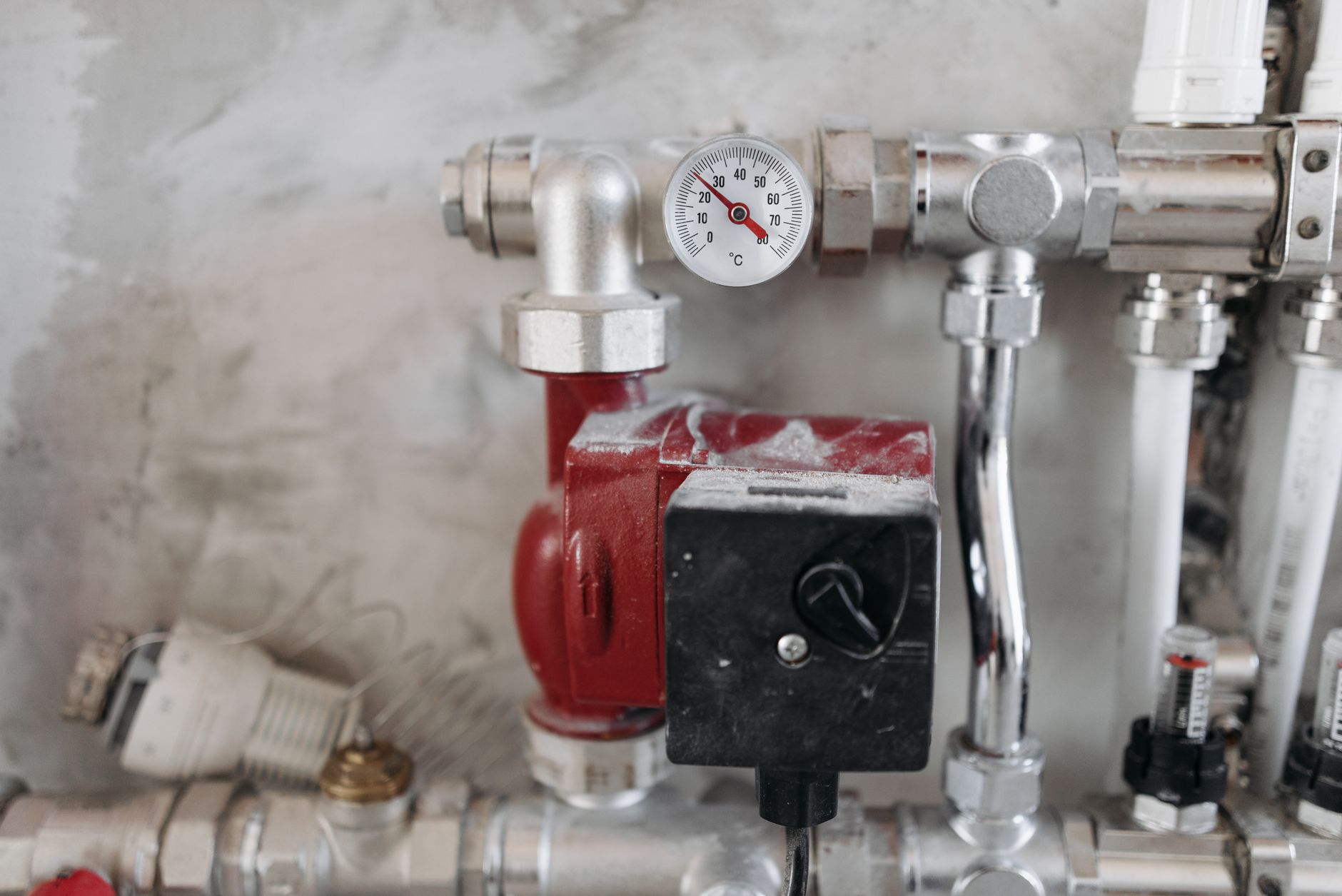
- Install Backflow Preventers: These devices can help prevent sewage from backing up into your home during heavy rains.
- Check Your Sump Pump: Ensure your sump pump is functioning correctly and is capable of handling heavy rainfall.
- Regular Maintenance: Schedule regular plumbing inspections with a professional to catch potential issues early.
By staying ahead of potential problems, you can reduce the risk of significant water damage and expensive repairs. Regular maintenance not only helps identify problems but can also prolong the life of your plumbing systems.
When to Call a Professional
While there are many DIY fixes you can tackle, some plumbing issues require professional assistance. If you encounter any of the following signs, it’s time to call a plumber:
- Persistent leaks
- Unusual water pooling around your property
- Significant changes in water pressure
For example, a sudden drop in water pressure might indicate a leak in your system, which needs immediate attention. Additionally, if you suspect mold growth due to water damage, professional help will be crucial not only for remediation but also for plumbing repairs.
Protecting Your Home
To safeguard your home against future water damage, consider investing in waterproofing solutions. This might include sealing your foundation, installing drainage systems, or enhancing your landscaping to direct water away from your home. For more information on safeguarding your property, check out this insightful blog post: How To Safeguard Your Broward Home From Future Water Damage.
Furthermore, if you experience major water damage, having a backup plan is key. Consider reaching out to local services that specialize in restoration, such as Broward Restoration Pros, who can provide immediate assistance and help restore your home quickly.
Conclusion
Rising sea levels present real challenges for homeowners in Broward County, especially concerning plumbing issues. By understanding the risks, taking proactive measures, and knowing when to call a professional, you can protect your home from water damage. Regular maintenance and vigilance are your best defenses against the potential impact of environmental changes on your plumbing system.