How Broward Homeowners Can Prepare for Plumbing Issues During Heavy Rainfall
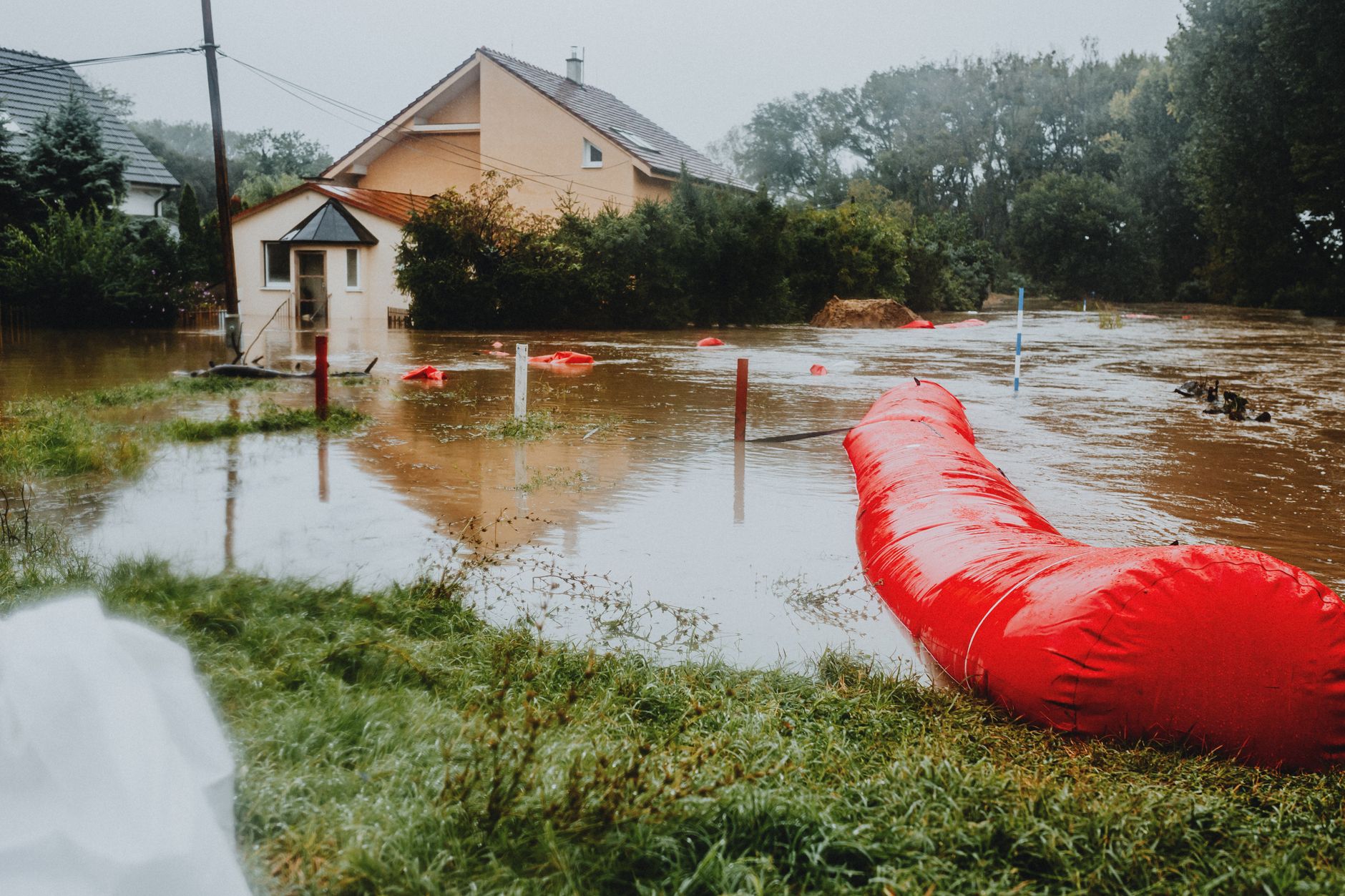
As a homeowner in Broward County, you know that heavy rainfall can be both a blessing and a curse. While it nourishes your garden and fills your pool, it can also lead to significant plumbing issues if you're not adequately prepared. Heavy rain can cause overflowing drains, backflow issues, and even flooding in your home, potentially leading to costly water damage. Understanding how to prepare your plumbing for heavy rainfall is essential to protect your home and ensure peace of mind during stormy weather.
Understanding the Risks
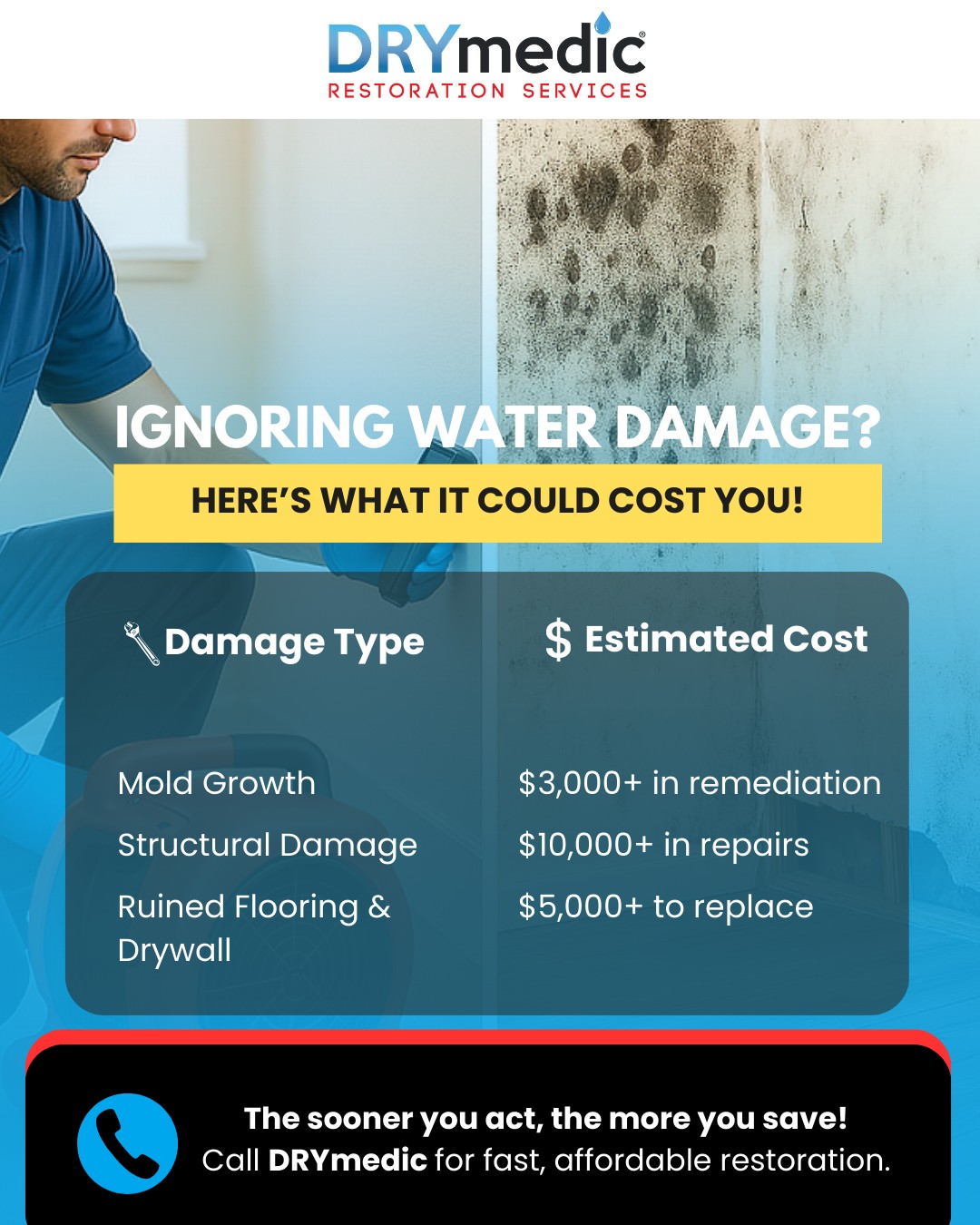
Heavy rainfall can overwhelm your plumbing system, especially if your home is prone to flooding or if you have an older plumbing infrastructure. Water can back up in drains, seep into your home, or cause pipes to burst under pressure. The aftermath of such plumbing emergencies can lead to not just immediate water damage but also long-term problems like mold growth, which can compromise your indoor air quality and structural integrity.

Identifying Potential Problem Areas
Before the storm hits, take the time to identify areas in your home that might be vulnerable during heavy rain. These may include:
- Basements and crawl spaces
- Areas around windows and doors
- Weak spots in your roof or gutters
- Drainage systems that are clogged or poorly designed
By pinpointing these potential problem areas, you can take proactive measures to safeguard your home.
Preventative Measures
Here are some practical steps you can take to prepare your plumbing for heavy rainfall:
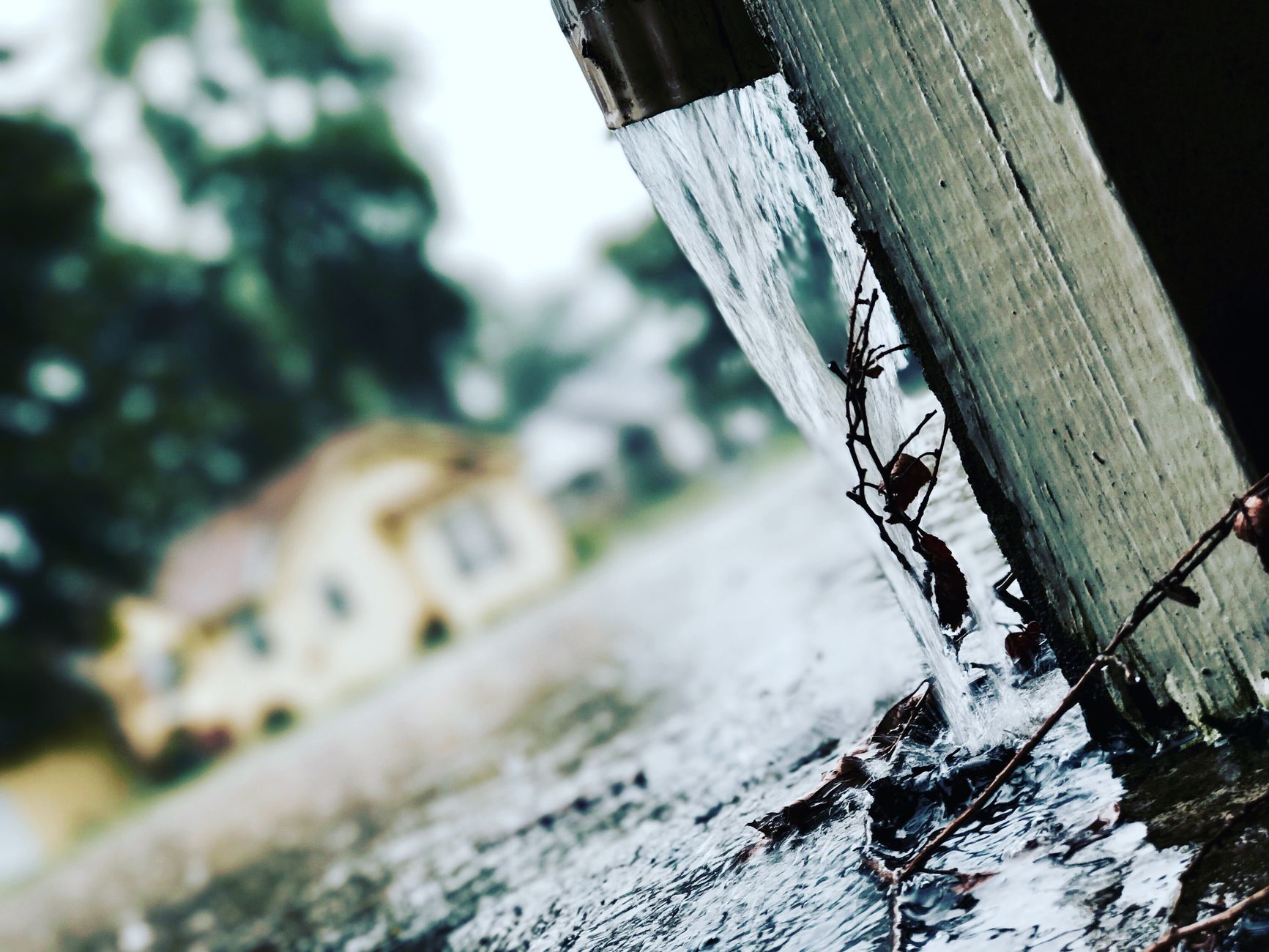
- Clear Gutters and Downspouts: Ensure that your gutters are free of debris. Clogged gutters can cause water to overflow and seep into your home.
- Check for Leaks: Inspect your pipes and fixtures for any signs of leaks. Addressing these issues before the storm can prevent serious damage later.
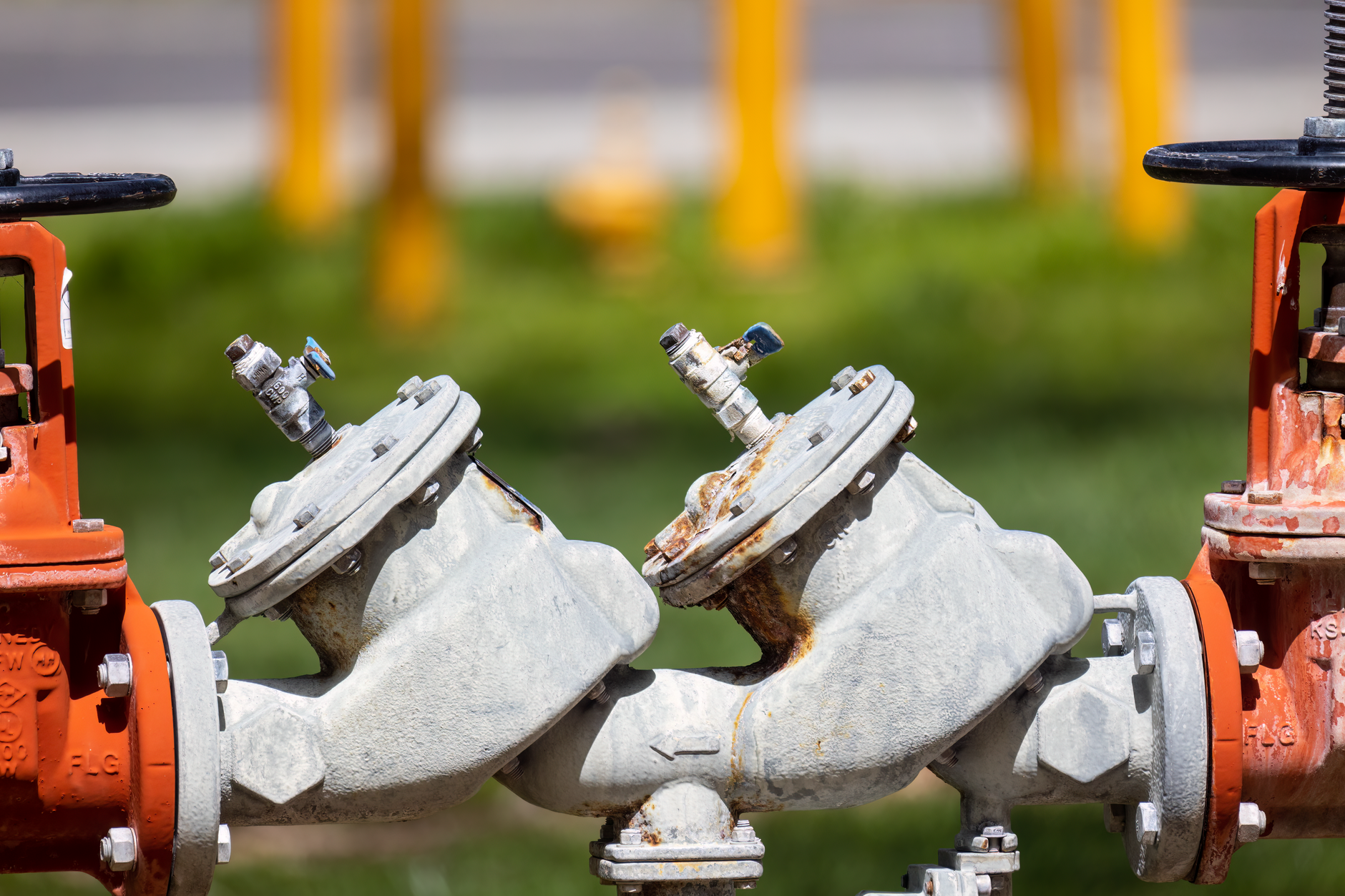
- Install a Backflow Preventer: This device can help prevent sewage from backing up into your home during heavy rain.
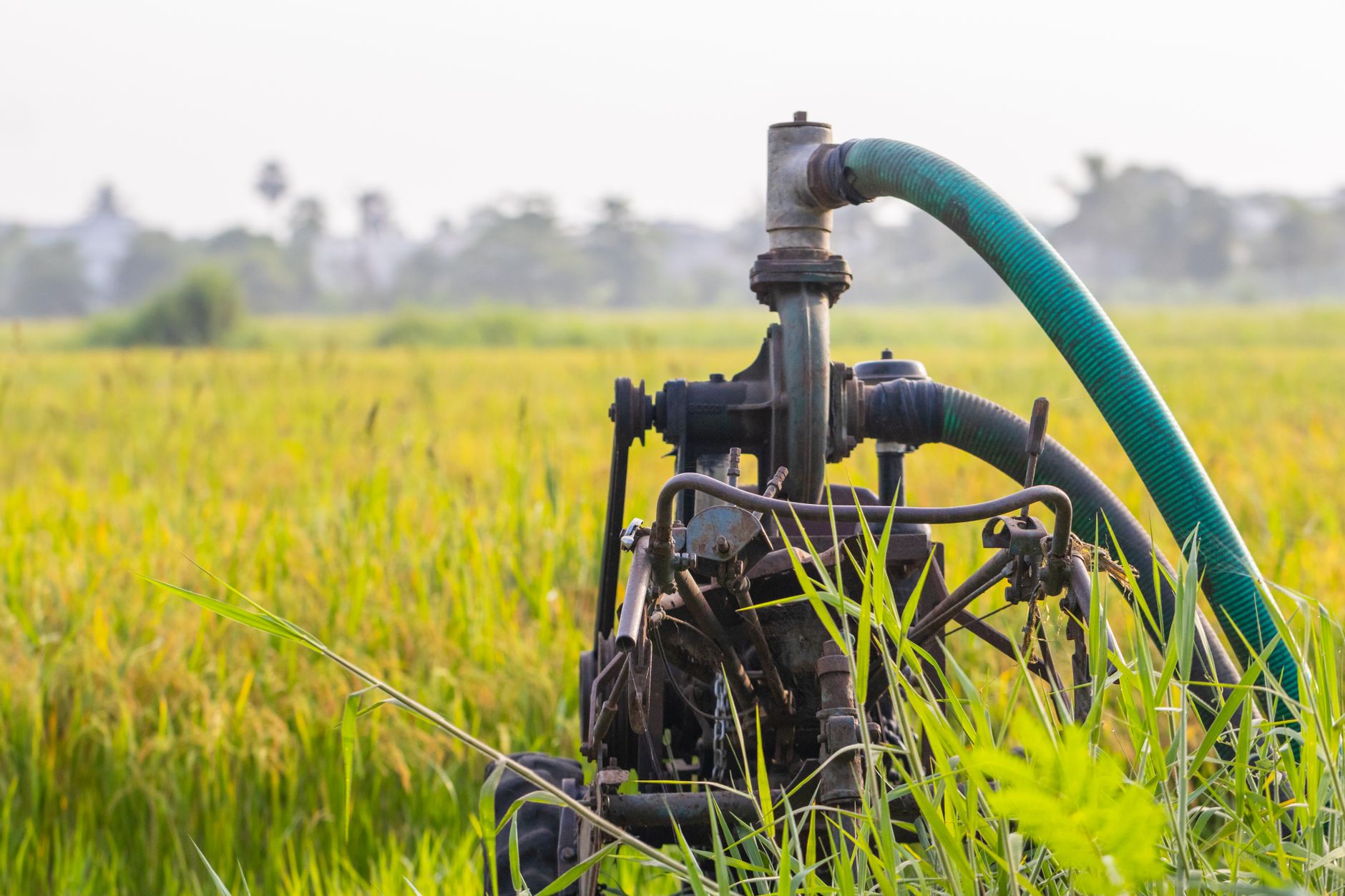
- Consider Sump Pumps: If you live in an area prone to flooding, a sump pump can be an invaluable tool for removing excess water from your basement.
Taking these steps can go a long way in minimizing the risk of plumbing disasters during heavy rainfall.
When to Call a Professional
While many of these preventative measures can be handled by homeowners, some situations require the expertise of a professional plumber. If you notice persistent leaks, signs of mold, or if you're unsure about your plumbing system's ability to handle heavy rain, don't hesitate to call a plumber. Professionals can conduct thorough inspections and suggest the best solutions tailored to your home.
Emergency Preparedness
In the unfortunate event that you do experience a plumbing emergency during a heavy rainstorm, having a plan in place is crucial. This includes knowing where your main shutoff valve is located and how to turn it off. Keeping a list of reliable emergency plumbing contacts, such as Broward Restoration Pros, can also expedite the restoration process. They specialize in handling water damage and can help you recover quickly.
Conclusion
Heavy rainfall can indeed pose significant challenges for homeowners in Broward County. However, by taking the time to prepare your plumbing system, you can reduce the likelihood of catastrophic damage. Stay vigilant and proactive, and remember that your local plumbers are just a call away if you need assistance. For more tips on maintaining your home, check out this informative blog on preventing mold growth after water damage.