How To Determine The Best Water Pressure For Your Broward Home
Have you ever stepped into your shower only to be greeted by a disappointing trickle of water? Or perhaps you've noticed that your kitchen faucet feels more like a dribble than a stream? Water pressure can significantly affect your daily routines, from showering to washing dishes. Understanding how to determine the right water pressure for your Broward home is essential for both comfort and functionality.
Water pressure is measured in pounds per square inch (psi). The ideal range for residential water pressure typically falls between 40-60 psi. However, factors such as your home's plumbing system, the elevation of your property, and the number of fixtures can all influence these numbers. Let’s explore how you can assess whether your water pressure is adequate and what steps you can take if it's not.
Assessing Your Current Water Pressure
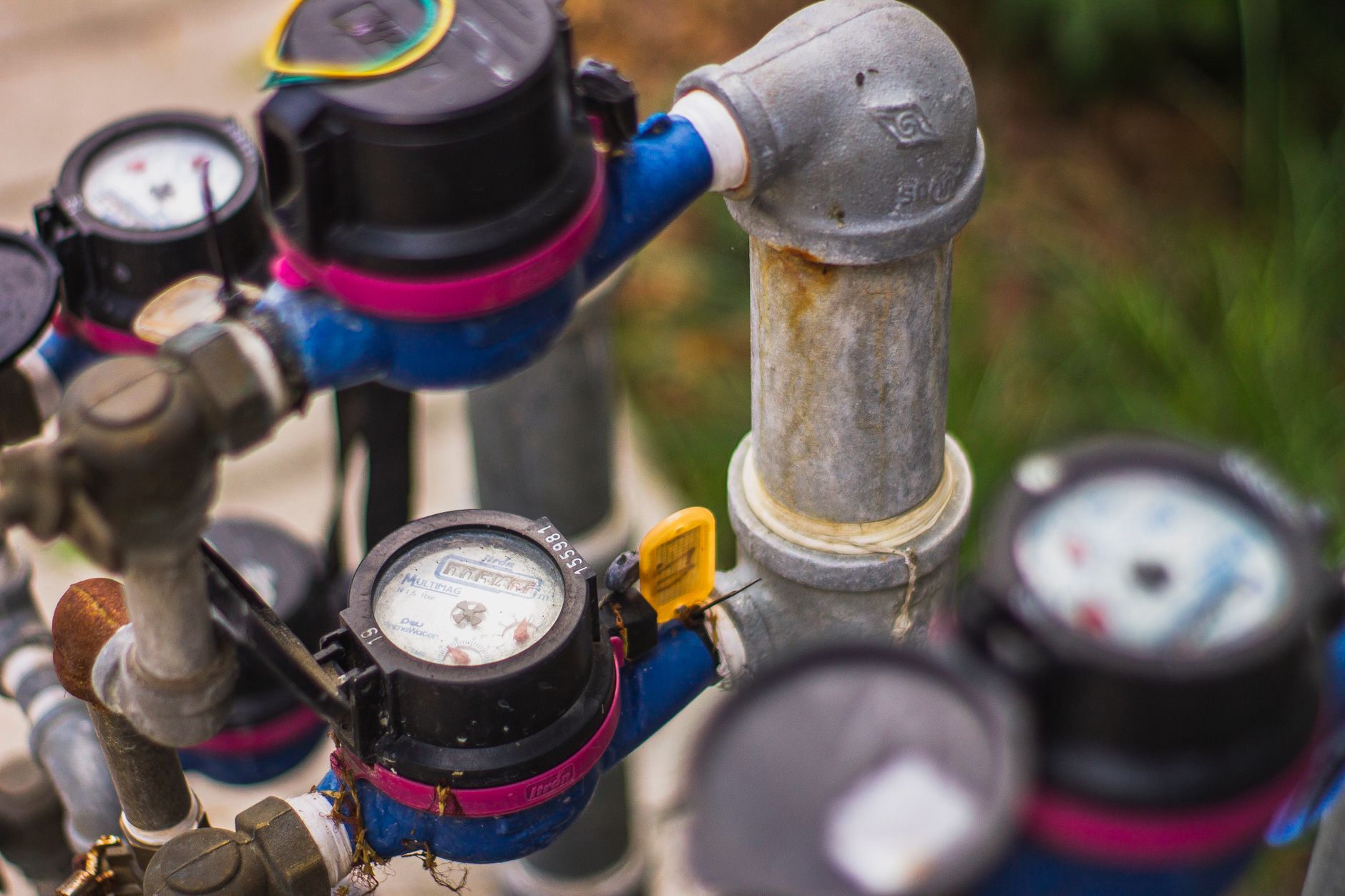
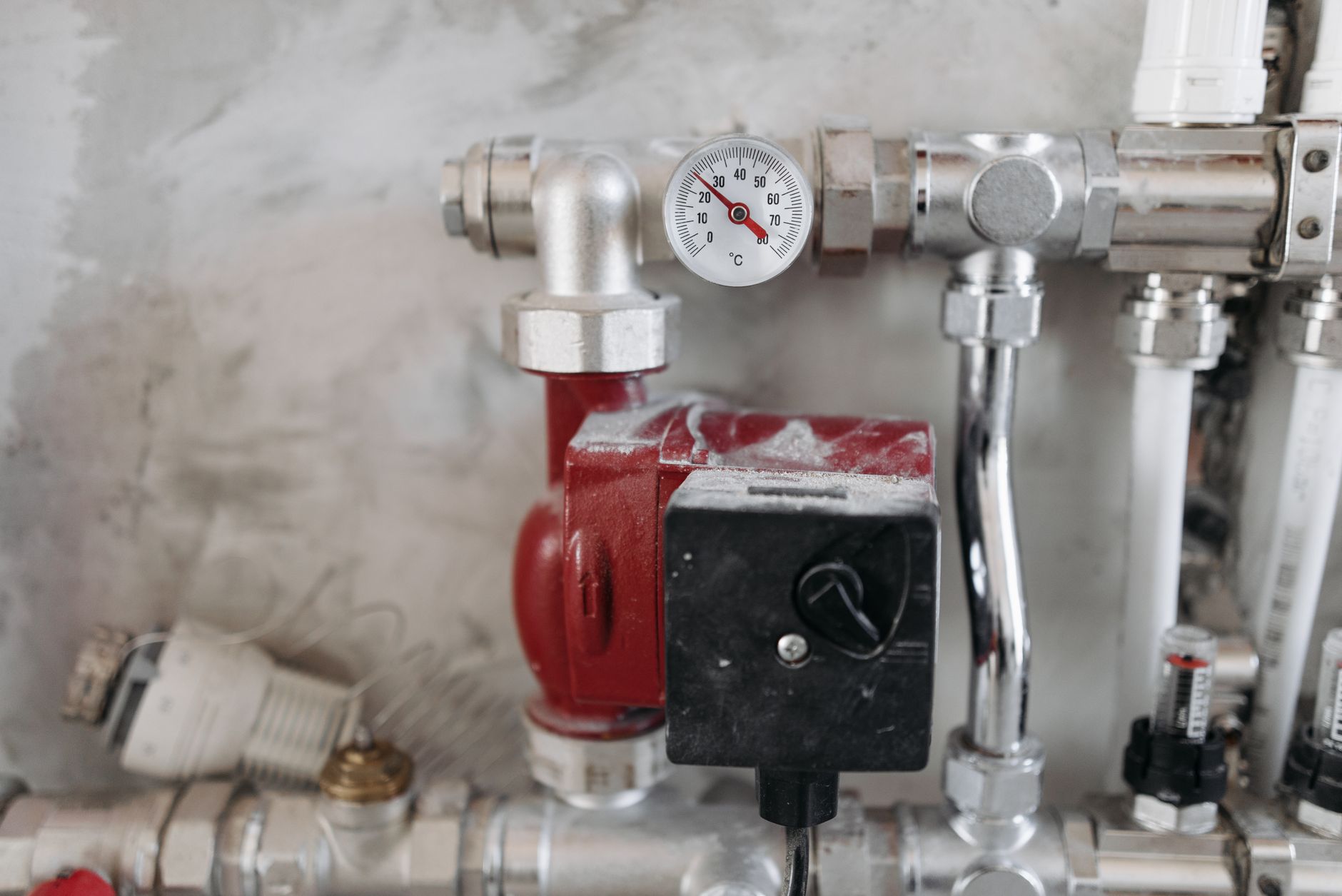
To begin, you’ll need a water pressure gauge, which is a simple tool that can be easily purchased at a hardware store. Attach the gauge to an outdoor faucet or any threaded faucet in your home. Once connected, turn on the faucet fully and take a reading. If your measurement is below 40 psi, it may be time to investigate further.
Common Signs of Low Water Pressure
Aside from using a gauge, there are several indicators that can signal low water pressure:
- Weak flow from faucets and showerheads
- Longer fill times for bathtubs, sinks, and appliances
- Inconsistent water flow when multiple fixtures are in use
- Unusual sounds in your plumbing, like banging or gurgling
If you notice any of these issues, it’s wise to take action. Low water pressure can stem from various causes, including clogged pipes, leaks, or even issues with the municipal water supply.
Identifying the Cause
Once you’ve determined that your water pressure is indeed low, the next step is identifying the source of the problem. Here are some common culprits:
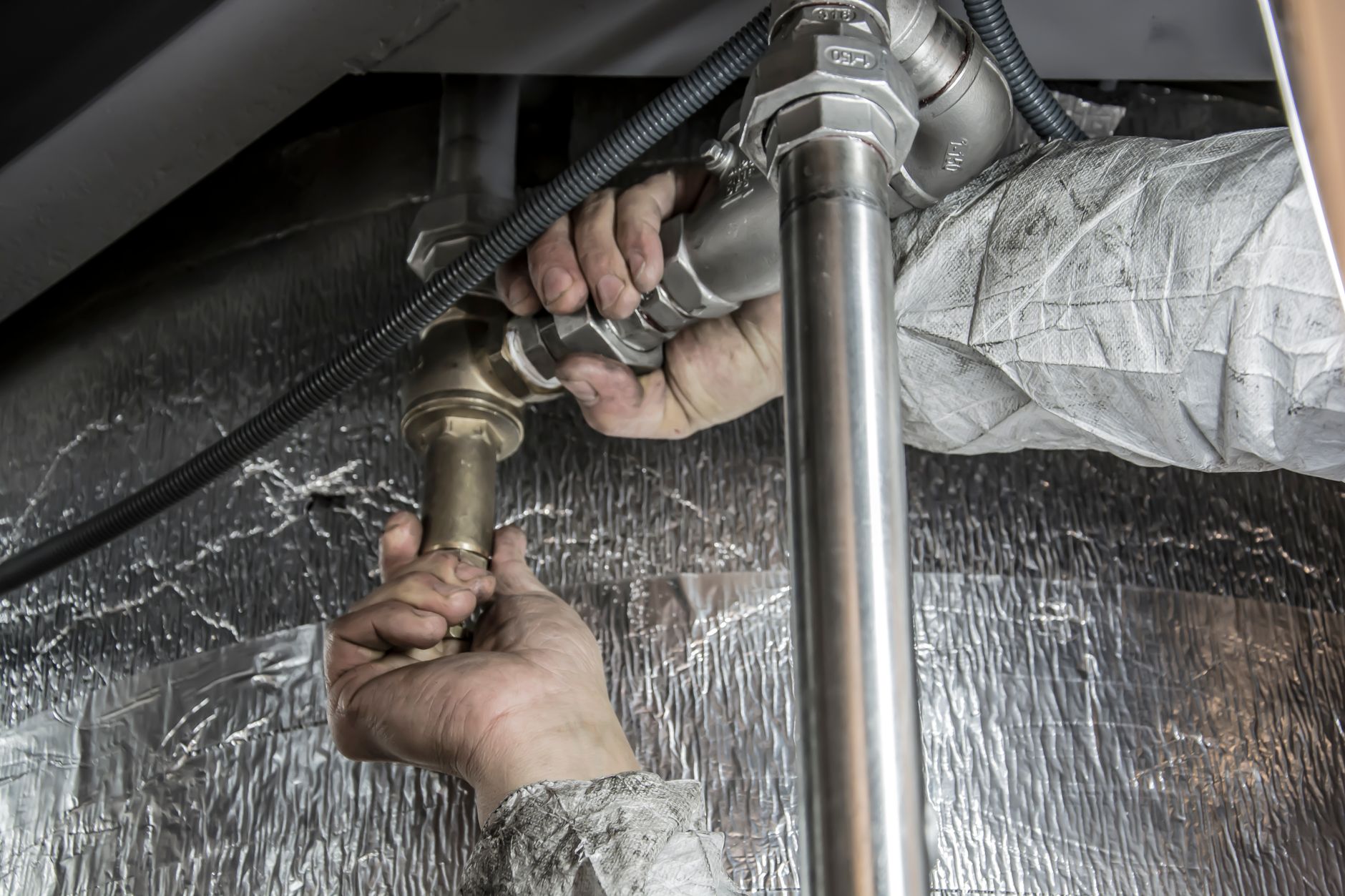
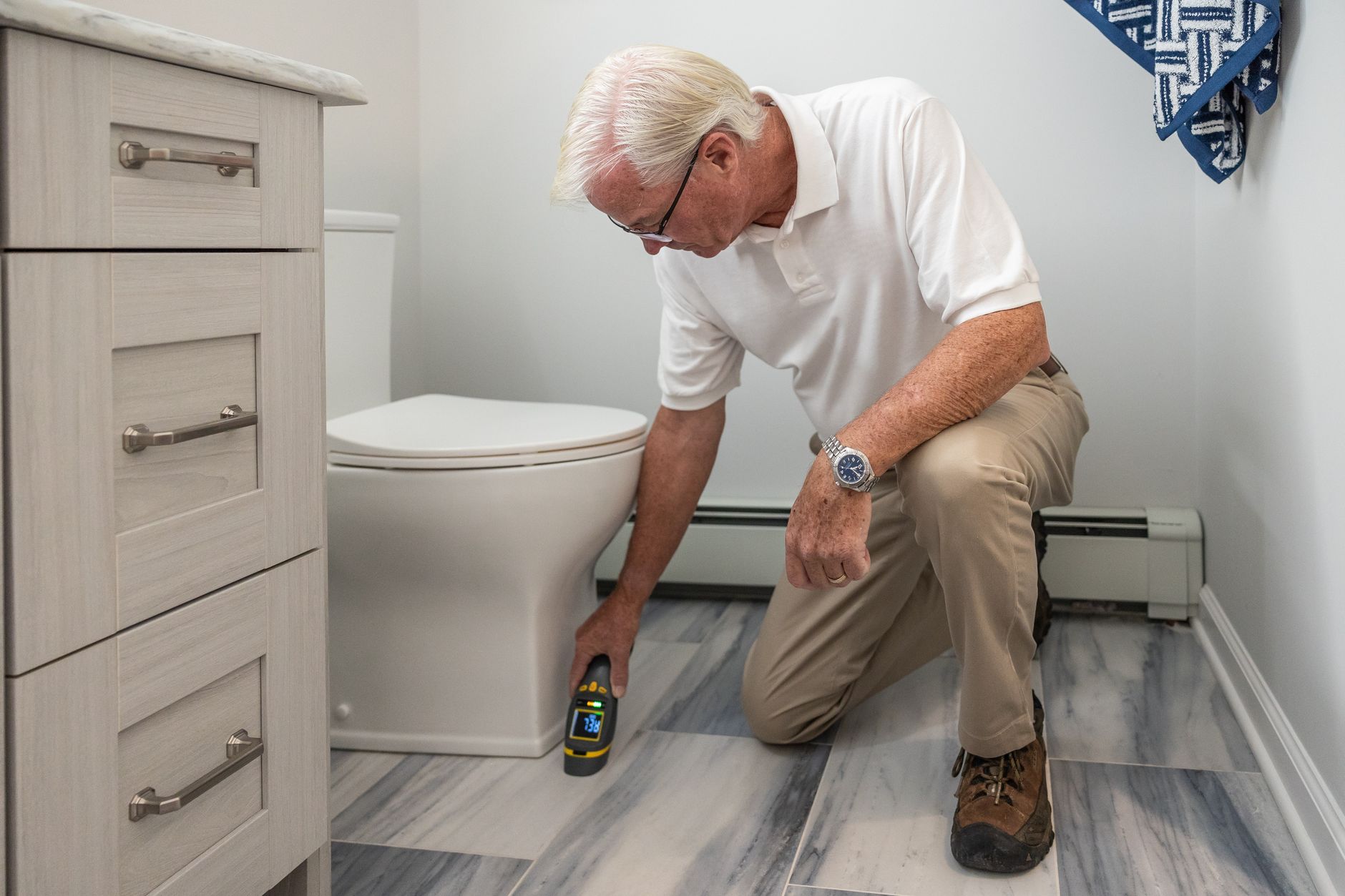
- Leaky Pipes: A slow leak can significantly reduce pressure. Inspect your home for signs of moisture, water stains, or mold growth.
- Clogs: Mineral buildup in pipes can lead to restricted water flow. This is especially common in older homes.
- Pressure Regulator Issues: Homes often have a pressure-reducing valve to manage high water pressure. If this valve malfunctions, it can lead to inconsistent pressure.
For a thorough inspection, consider consulting with a professional plumber. They can provide a detailed assessment and recommend the best solutions. If you’re unsure whether you need to call a plumber, check out our article on Signs You Need a Plumber Now.
Restoring Optimal Water Pressure
If your water pressure is lower than desired, there are a few potential remedies:
- If leaks are found, prompt pipe repairs are essential. Ignoring leaks can lead to more significant issues, including water damage.
- Consider descaling your pipes if mineral buildup is suspected. This process can help restore water flow.
- If your system includes a pressure regulator, ensure it’s functioning correctly or consider replacing it if necessary.
In cases of severe water damage, it’s crucial to act quickly. Broward Restoration Pros offers 24-hour water damage restoration services. You can read more about their offerings here.
When to Call a Professional
Determining the right water pressure is vital for maintaining a comfortable home environment. However, if you have followed the above steps and your water pressure remains unsatisfactory, it’s advisable to reach out to a professional plumber. Not only can they diagnose the problem accurately, but they can also recommend effective solutions tailored to your specific situation.
Additionally, if you’re interested in preventive measures or want to ensure your plumbing system is in top condition, you might benefit from regular plumbing inspections. Check out our Plumbing Inspection services for more information.
In conclusion, understanding and managing your water pressure can significantly enhance your day-to-day life. By taking a proactive approach, you can ensure that your Broward home remains a comfortable haven.
For more home maintenance tips, don’t forget to explore our blog section. For a deeper dive into the importance of inspections, you can read about Post-Disaster Safety Inspections.