The Best Practices for Plumbing Maintenance in Broward County's Unique Climate
Living in Broward County, we enjoy beautiful weather and the proximity to the coast, but this unique climate also brings specific challenges for plumbing maintenance. Homeowners often overlook how humidity and seasonal rains can affect their plumbing systems. This guide will help you navigate these challenges and establish best practices for maintaining your plumbing, ensuring your home stays safe and dry.
Understanding the Impact of Humidity and Rain
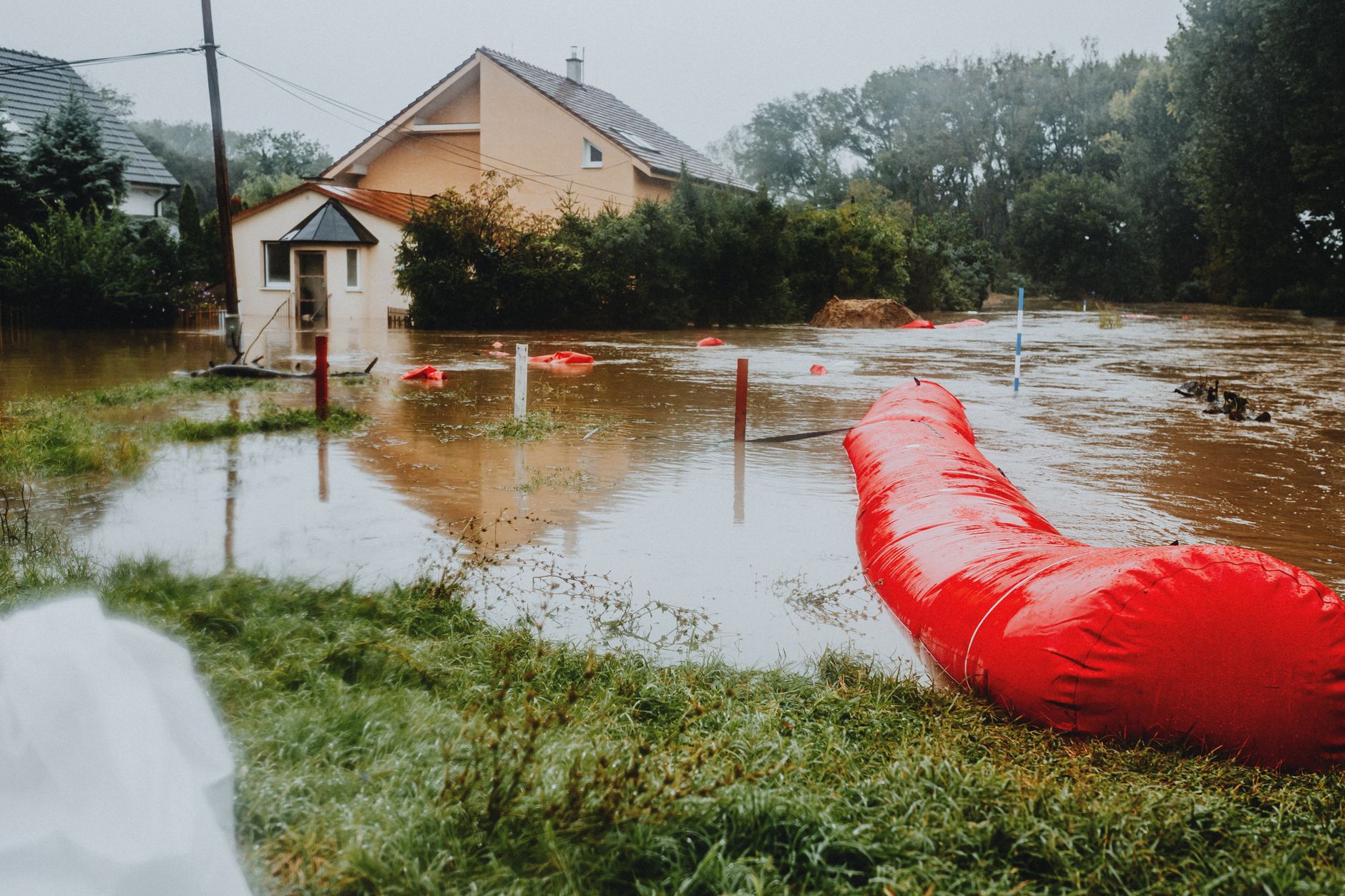
Our tropical climate means high humidity levels, especially in the summer. This can lead to condensation issues in your pipes, encouraging mold growth and potential leaks. Additionally, the heavy rainstorms can overwhelm drainage systems, leading to backups and flooding. Recognizing these risks is the first step in effective plumbing maintenance.
Regular Inspections
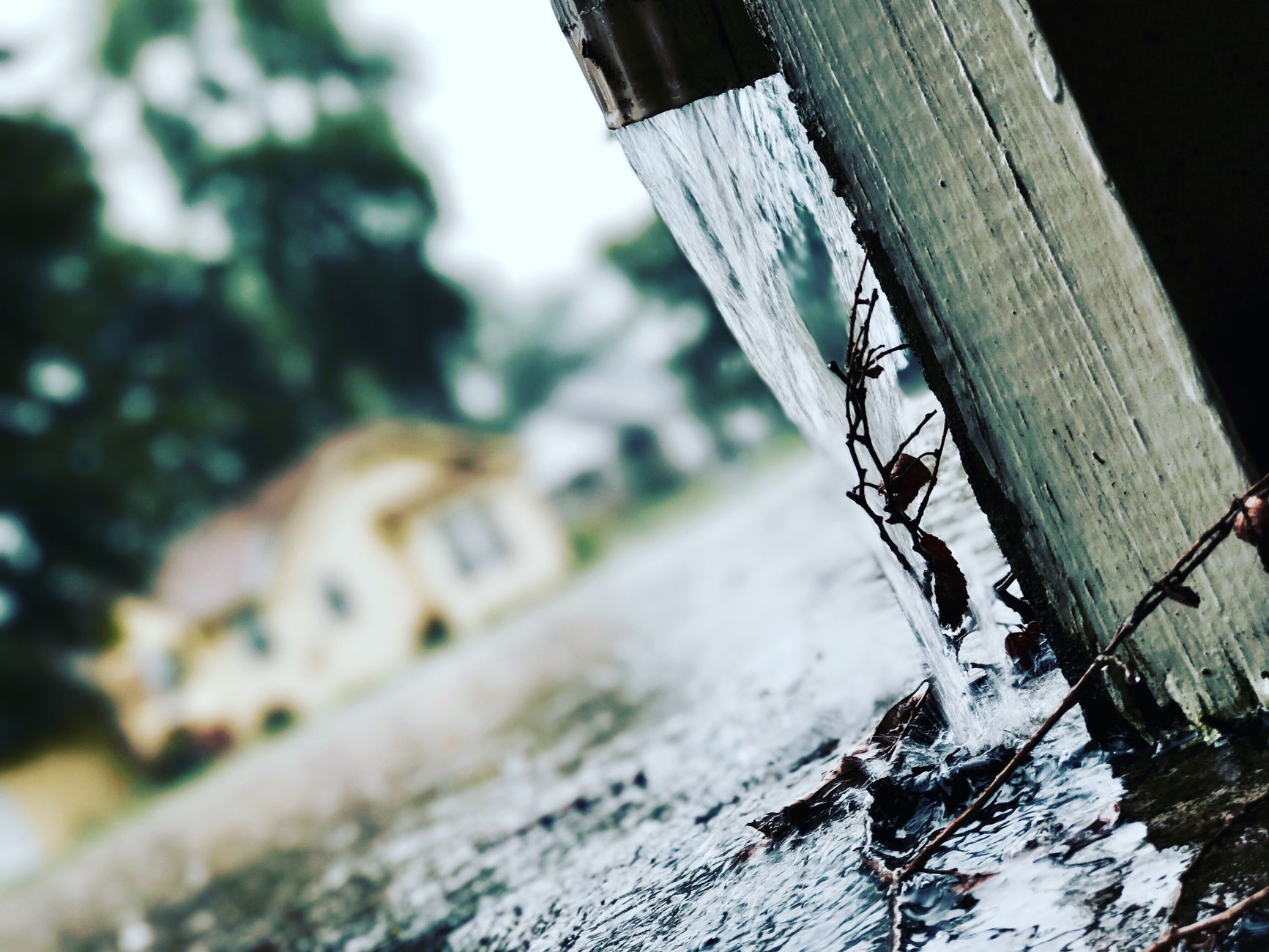
To safeguard your plumbing, conduct regular inspections. Look for signs of wear and tear, especially in areas prone to moisture. Check:
- Pipes under sinks and behind appliances
- Seals around bathtubs and showers
- Water heaters for rust or leaks
- Drainage systems for clogs
If you notice any issues, such as a bathroom leak or a rusted pipe, it’s crucial to address them quickly to prevent further damage.
Maintain Your Gutters and Downspouts
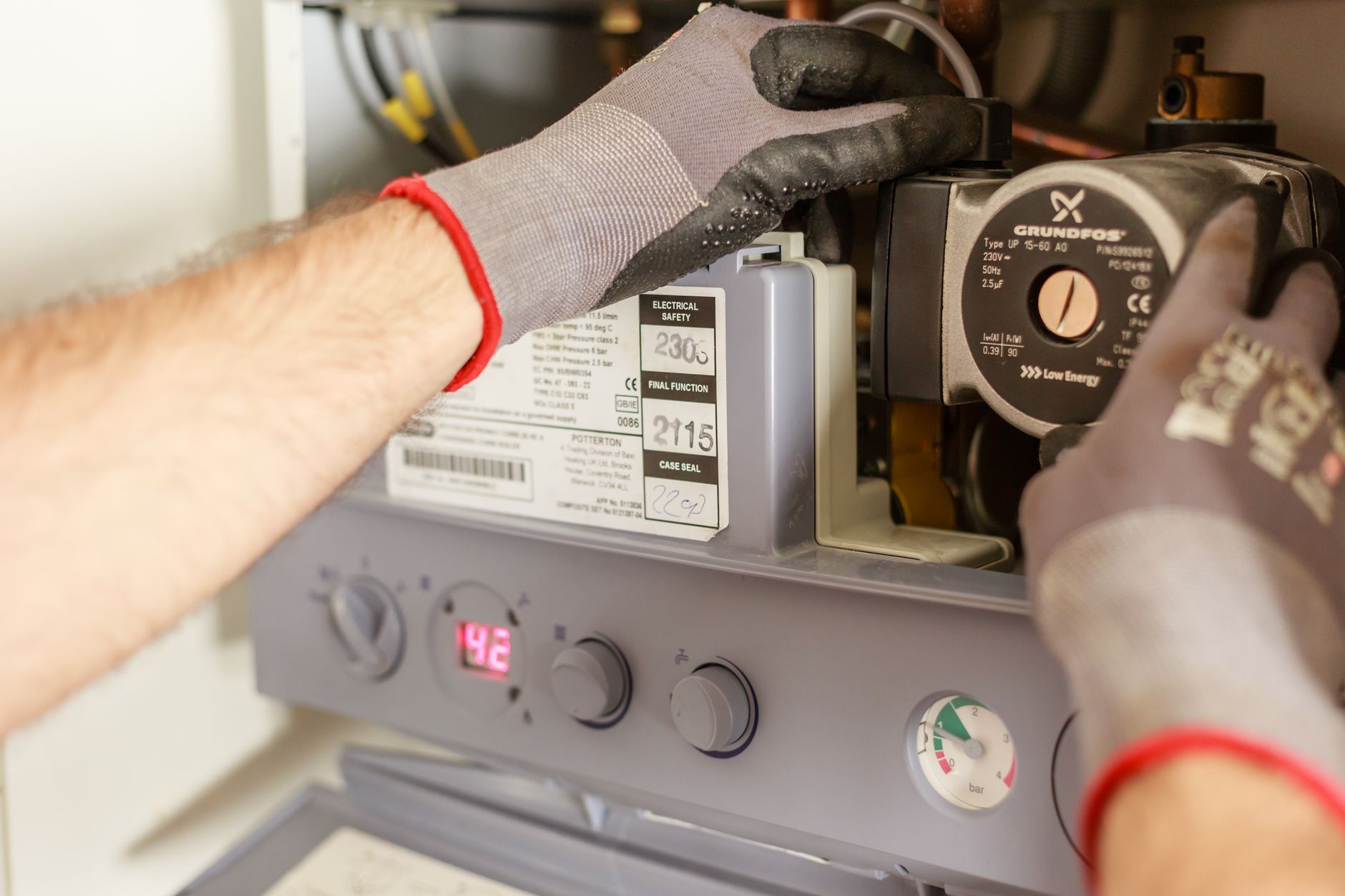
One often-overlooked aspect of plumbing maintenance is the condition of your gutters and downspouts. These systems channel rainwater away from your home, preventing foundation issues and water damage. Ensure they are clear of debris and functioning properly. If your gutters overflow, it could lead to water pooling around your foundation, risking a ceiling leak or worse.
Invest in Quality Plumbing Fixtures
Choosing high-quality fixtures can save you from frequent repairs. Look for fixtures that are designed to withstand humidity and heavy water use. While they may come with a higher upfront cost, they will last longer and require less maintenance over time.
Understand Your Water Pressure
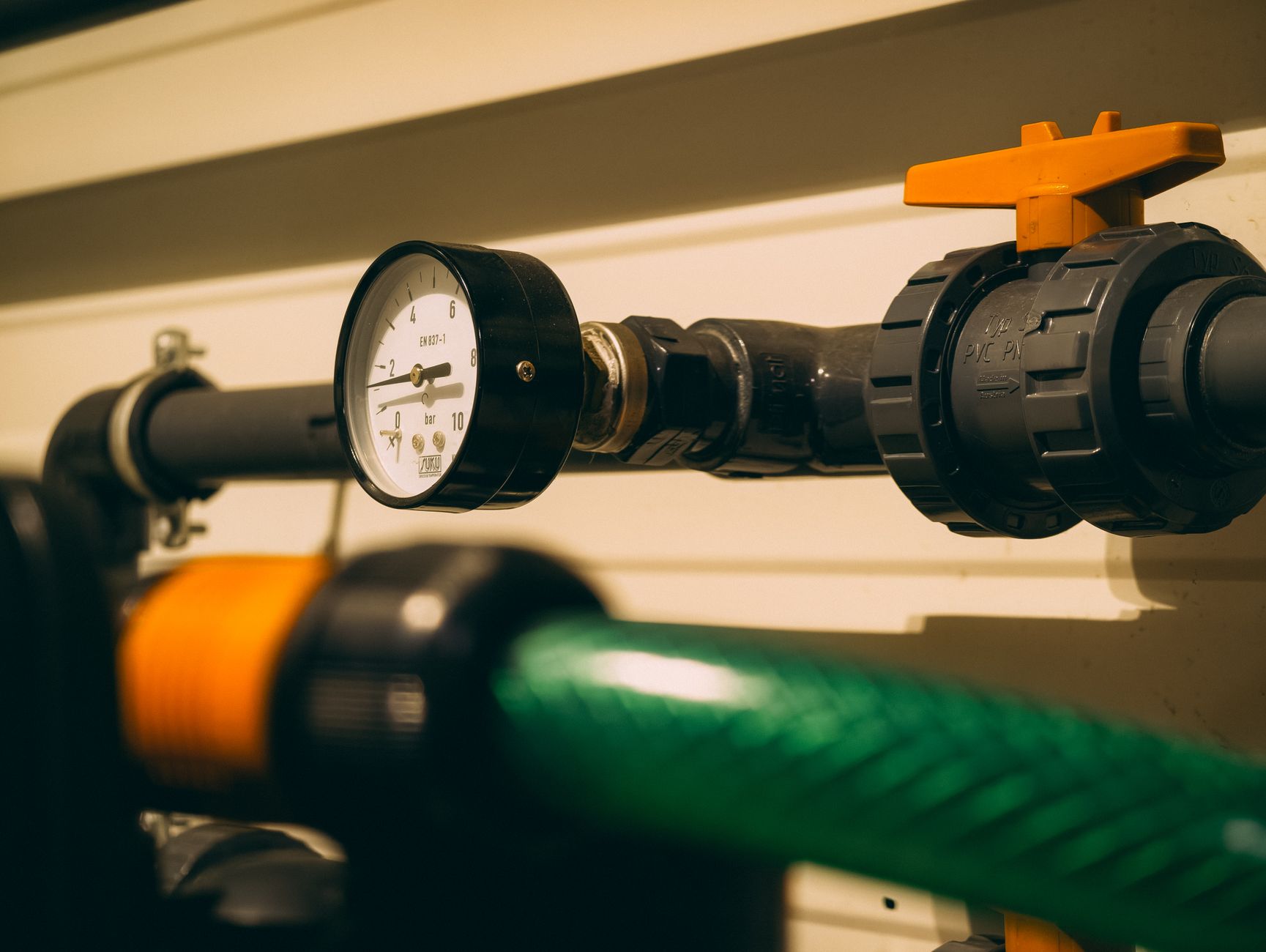
High water pressure can strain your plumbing system, leading to leaks and bursts. Use a pressure gauge to monitor your home’s water pressure. Ideally, it should be between 40-60 psi. If it’s consistently high, consider installing a pressure regulator.
Know When to Call a Professional
While DIY maintenance can be effective, some situations require professional help. If you experience:
- Persistent leaks
- Clogged drains that don’t respond to standard methods
- Unusual water bills without an obvious leak
It’s time to call a plumber. They have the tools and expertise to handle complex issues, ensuring your plumbing remains in top condition.
Emergency Preparedness
Given the risk of flooding in our area, having a plan in place for emergencies is vital. Consider investing in a sump pump and know how to shut off your main water supply in case of a burst pipe or major leak. For more tips on disaster preparedness, check out this article on Broward Restoration Pros: 5 Essential Tips For Preparing Your Broward Home For Unexpected Flooding.
Conclusion
By following these best practices for plumbing maintenance in Broward County, you can protect your home from the unique challenges posed by our climate. Regular inspections, proper maintenance, and knowing when to call a professional can save you from costly repairs and ensure your plumbing operates smoothly. Remember, for any plumbing emergency, Broward Restoration Pros is here to help with 24/7 emergency services.