7 Signs You Have a Hidden Water Leak Behind Your Walls
Hidden water leaks are among the most damaging plumbing problems homeowners face because they often go unnoticed for weeks or even months. Unlike obvious flooding, leaks behind walls quietly soak drywall, insulation, and framing, allowing damage to spread long before it becomes visible. Many homeowners only discover these leaks after repair costs have already climbed significantly. Knowing the warning signs can help you act before the damage becomes extensive.
Why Wall Leaks Are So Hard to Detect
Pipes inside walls are out of sight, which makes early detection difficult. Water often travels along framing or insulation rather than dripping straight down. As a result, visible signs may appear far from the actual source of the leak. By the time something looks wrong on the surface, moisture has usually been present for some time.
Common Causes of Hidden Wall Leaks
Hidden leaks can develop for many reasons, even in newer homes. Aging pipes, corrosion, shifting structures, and poor installation are frequent contributors. High water pressure can also stress pipes over time, eventually causing small cracks or joint failures inside walls.
Seven Warning Signs Homeowners Should Watch For
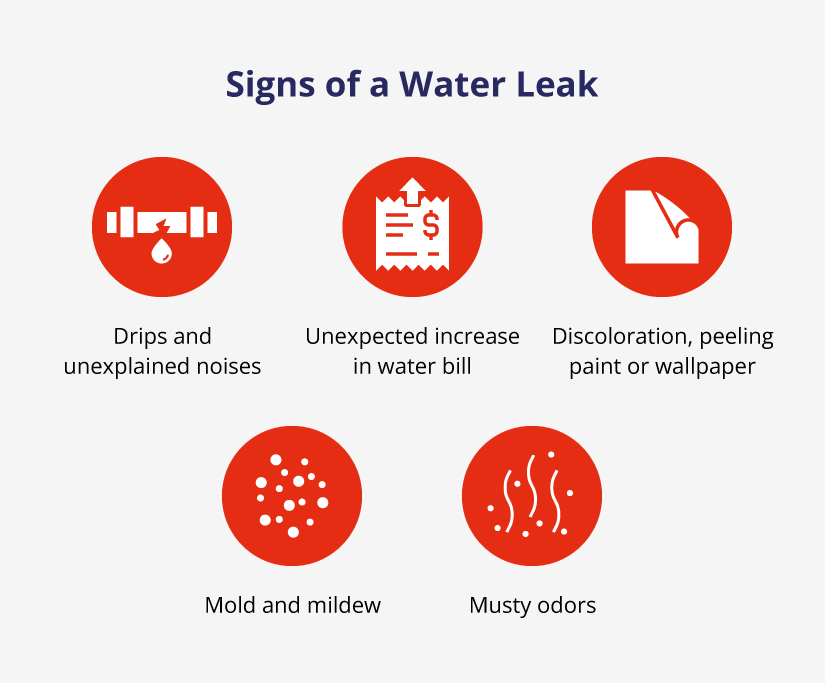
While wall leaks are hidden, they often leave subtle clues. Homeowners should pay attention to changes that don’t have an obvious explanation:
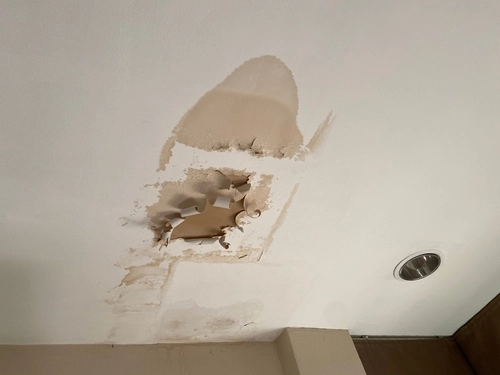
- Unexplained water stains on walls or ceilings
- Musty or damp odors that persist
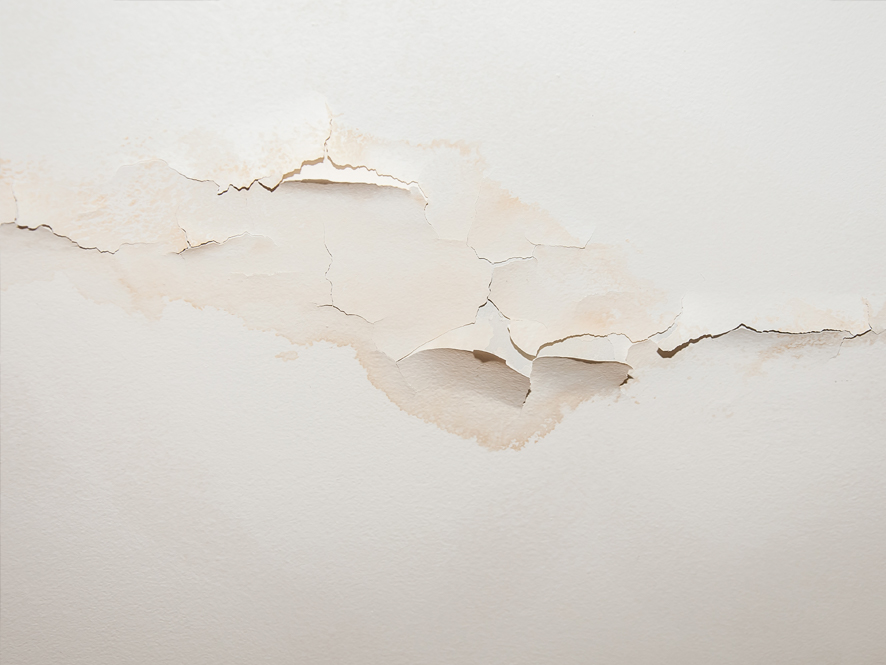
- Bubbling or peeling paint and wallpaper
- Soft or warped drywall when touched
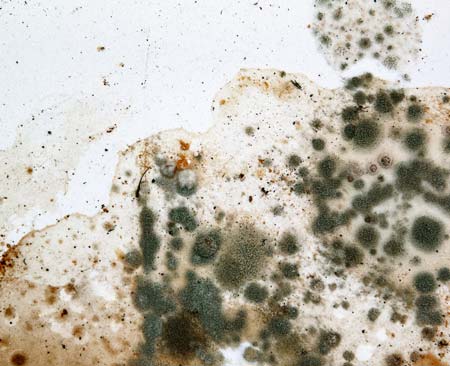
- Mold or mildew appearing on wall surfaces
- Sudden increases in water bills
- Sounds of running or dripping water when no fixtures are in use
Any one of these signs may indicate moisture inside the wall cavity.
 |
 |
 |
Why Ignoring a Hidden Leak Gets Expensive
Hidden leaks don’t stop on their own. As water continues to seep into building materials, drywall loses strength, insulation becomes ineffective, and wood framing can begin to rot. Over time, this can lead to structural issues that require significant repairs. Moist environments also increase the likelihood of mold growth, which adds health concerns and remediation costs.
When to Call a Plumber
If you suspect a leak behind your walls, professional evaluation is essential. Plumbers have tools that allow them to locate leaks without unnecessary demolition. Early detection can mean the difference between a simple pipe repair and extensive wall reconstruction.
What Happens After the Leak Is Found
Once the source is identified and repaired, the affected area should be assessed for moisture. Even after the pipe is fixed, trapped water can continue causing damage if it isn’t properly addressed. Acting quickly helps limit the scope of repairs.
Final Thoughts
Hidden wall leaks are easy to overlook but costly to ignore. Paying attention to subtle signs and contacting a qualified plumber at the first indication of trouble can protect your home and reduce long-term repair expenses. When something doesn’t seem right, trusting your instincts and seeking professional help is often the smartest move.